
Argentina’s relationship with soccer is more than a sporting preference; it’s a core component of national identity, woven into the fabric of daily life, politics, and culture. For custom sportswear manufacturers and apparel buyers, this profound passion translates into a dynamic and lucrative market for team kits, fan replicas, and casual wear inspired by La Albiceleste. Understanding the cultural nuances, stylistic hallmarks, and consumption patterns behind Argentine soccer is essential for anyone looking to source or produce authentic, high-demand custom apparel for this segment.
This article moves beyond simple trivia to dissect the practical intersection of Argentine soccer culture and the global sportswear supply chain. We will explore the iconic visual language of Argentine teams, the key drivers of fan apparel demand, and the critical manufacturing and sourcing considerations for producing custom garments that resonate with this passionate audience.
The Cultural Engine: Why Soccer Matters in Argentina
To source effectively for the Argentine market, one must first understand the depth of the soccer phenomenon there. It is not merely a pastime but a social religion. This cultural saturation creates consistent, high-volume demand for apparel, but it also comes with specific expectations regarding authenticity, quality, and symbolism.
Historical Identity and the Albiceleste
The most powerful symbol is the national team’s sky-blue and white vertical stripes, albiceleste. This pattern is non-negotiable for authentic national team merchandise. Its origins are debated, with one popular theory linking it to the colors of the Buenos Aires sky or the flag of the Argentine Liberation Army. For manufacturers, this means precise color matching (Pantone references are critical) and impeccable stripe alignment are paramount. A misaligned stripe on a replica jersey is not just a production flaw; it’s a cultural misstep that can brand a product as inauthentic.
Club Loyalty as a Way of Life
Club affiliation in Argentina often surpasses national team pride and is frequently tied to socio-economic and political identity. The historic rivalry between Boca Juniors (working-class, port area) and River Plate (middle-class, Núñez district)—the Superclásico—is arguably the most important club fixture in world soccer. A custom apparel order for these markets must recognize:
- Boca: Expect high demand for the iconic blue and gold, with a strong preference for the classic home strip. Casual wear often features the bold, block-letter “BOCA” across the chest.
- River: The white with a red diagonal band is sacred. The precise angle and placement of the band are scrutinized by fans. Recent alternate kits (like the famous 2021 “alternative diagonal” design) also generate significant hype.
Other major clubs like Independiente (red), Racing (light blue and white), and San Lorenzo (blue and red) have fiercely loyal followings, each with specific, non-negotiable design codes.
From Pitch to Street: Style and Fabric Trends
Argentine soccer style, both on and off the field, influences custom apparel trends. The on-field aesthetic has evolved from classic, heavy cotton to modern, performance-driven fabrics, while the fan casualwear often embraces retro and streetwear influences.
Performance Kit Technology
Modern Argentine clubs and the national team use the latest in moisture-wicking, lightweight knit fabrics (typically polyester microfibers). For a factory producing OEM/ODM kits:
- Fabric Choice: A 100% polyester or high-polyester blend (e.g., 92% Polyester, 8% Elastane) is standard. Ventilation zones (mesh underarms, back neck) are expected.
- Printing/Embroidery: Sublimation is the dominant method for full-jersey designs, allowing for intricate patterns and fade-resistant colors. Tackle twill for crests and numbers is still used on official replicas for a premium feel. Heat press vinyl is common for fan-oriented, lower-cost items.
- Fit: Fitted, athletic cuts are standard. Loose, street-style replicas are a separate product line.
| Consideration | Official Replica (Premium) | Fan Casual/Streetwear |
|---|---|---|
| Primary Fabric | 100% Polyester, sublimation-ready | Cotton jersey, cotton-poly blends, fleece |
| Key Decoration | Sublimation (jersey), woven crests, twill numbers | Screen printing, DTG, embroidered crests |
| Target Price Point | Premium | Mid to accessible |
| MOQ Focus | Higher (for licensed production) | Flexible (for generic fan designs) |
The Gaucho & Tango Influence in Casual Wear
Off the pitch, Argentina’s iconography—the gaucho (cowboy), the tango—inspires a distinct casual and heritage style. This presents an opportunity for ODM factories to create apparel lines that fuse soccer motifs with these cultural elements. Think:
- Hoodies and t-shirts with subtle, abstract patterns inspired by gaucho bombachas (trousers) or tango silhouettes, combined with club colors.
- Jackets and track pants that use color-blocking reminiscent of classic kits but in a streetwear silhouette.
These designs often use heavier cotton, fleece, or canvas, requiring different construction expertise than performance wear.
Sourcing for the Argentine Market: Practical Considerations
For wholesale buyers, brands, and teams looking to source custom Argentine soccer apparel, several key factors determine success.
You may also like: Sourcing Polo Shirts: A Manufacturer’s Guide to Ralph Lauren vs. U.S. Polo Assn.
Licensing: The Non-Negotiable First Step
Authentic merchandising of club or national team logos, names, and specific kit designs requires an official license from the Argentine Football Association (AFA) or the individual clubs. This is managed by licensing agencies. Producing licensed goods without authorization is illegal and risks seizure of goods and legal action. Most B2B manufacturers will require proof of licensing before accepting an order for branded items.
Communicating with Your Factory: A Checklist
To get accurate quotes and samples, provide your manufacturing partner with a clear brief. Use this checklist:
- Artwork & Specifications: High-resolution vector files (AI, EPS) for logos. Exact Pantone color codes. A detailed tech pack with measurements for each size.
- Garment Type & Use: “Performance training jersey” vs. “heavyweight cotton fan tee” vs. “retro-style track jacket.” This dictates fabric, construction, and cost.
- Target Market & Price Point: “Premium licensed replica” vs. “unlicensed casual fan wear for the diaspora market.” This guides quality thresholds.
- Order Volumes (MOQ): Be prepared to discuss Minimum Order Quantities. Performance sublimated jerseys often have MOQs of 50-100 pieces per style/color. Screen-printed casual tees can drop to 25-50. Large licensed orders will have much higher MOQs set by the licensor.
- Timeline: Factor in time for sample approval, fabric sourcing (especially for licensed fabrics which may be controlled), and production. A complex ODM design can take 8-12 weeks from approval to shipment.
Quality Markers to Insist On
Request physical samples before full production. Pay specific attention to:
- Stripe/Pattern Alignment: On albiceleste or River Plate styles, the stripes or band must align perfectly across the seam. A misaligned pattern is a critical defect.
- Crest Application: For twill crests, check stitching density and edge finishing. For sublimated crests, ensure color vibrancy and no blurring.
- Fabric Hand & Weight: A performance jersey should feel light, smooth, and cool. A casual retro hoodie should have a substantial, plush feel. Weight (GSM) should match the intended use.
- Seam Construction: Flat-lock seams for performance wear, clean and reinforced seams for casual wear.
Regional Nuances and Sizing
While Argentina follows standard international sizing, the average build can be slightly different from North American or Asian markets. It is prudent to review the factory’s size chart and, if possible, obtain a fit sample in a medium. For team orders (youth clubs, amateur leagues), providing a roster of player heights/weights is the best practice for accurate uniform sizing.
Frequently Asked Questions
Can I produce unlicensed “Argentina-inspired” apparel?
Yes, and this is a large market. You can create designs that use the color palette (sky blue, white) and generic soccer motifs (balls, goal nets) without using the AFA logo, “AFA” lettering, or the specific, registered kit designs of clubs. This allows for lower MOQs and faster production. However, be cautious of design elements that are too close to a specific club’s identity to avoid potential trademark disputes.
What is the typical MOQ for a custom soccer hoodie for a small club?
For a generic, unlicensed hoodie with a custom club logo (that you provide), a standard factory MOQ is often 25-50 pieces per design/color. If the design incorporates licensed imagery (e.g., a Boca Juniors pattern), the MOQ will jump significantly, often to 500+ pieces, dictated by the license agreement.
How do I ensure color accuracy for the iconic Argentina blue?
Always use a standardized color system. Provide your factory with the exact Pantone Reference for the sky blue (commonly PANTONE 2905 C or similar) and white. For critical colors, consider ordering a lab dip—a pre-production fabric swatch dyed to your specs—for approval before the main fabric is produced. The cost of a lab dip is minimal compared to the risk of a full batch of off-color jerseys.
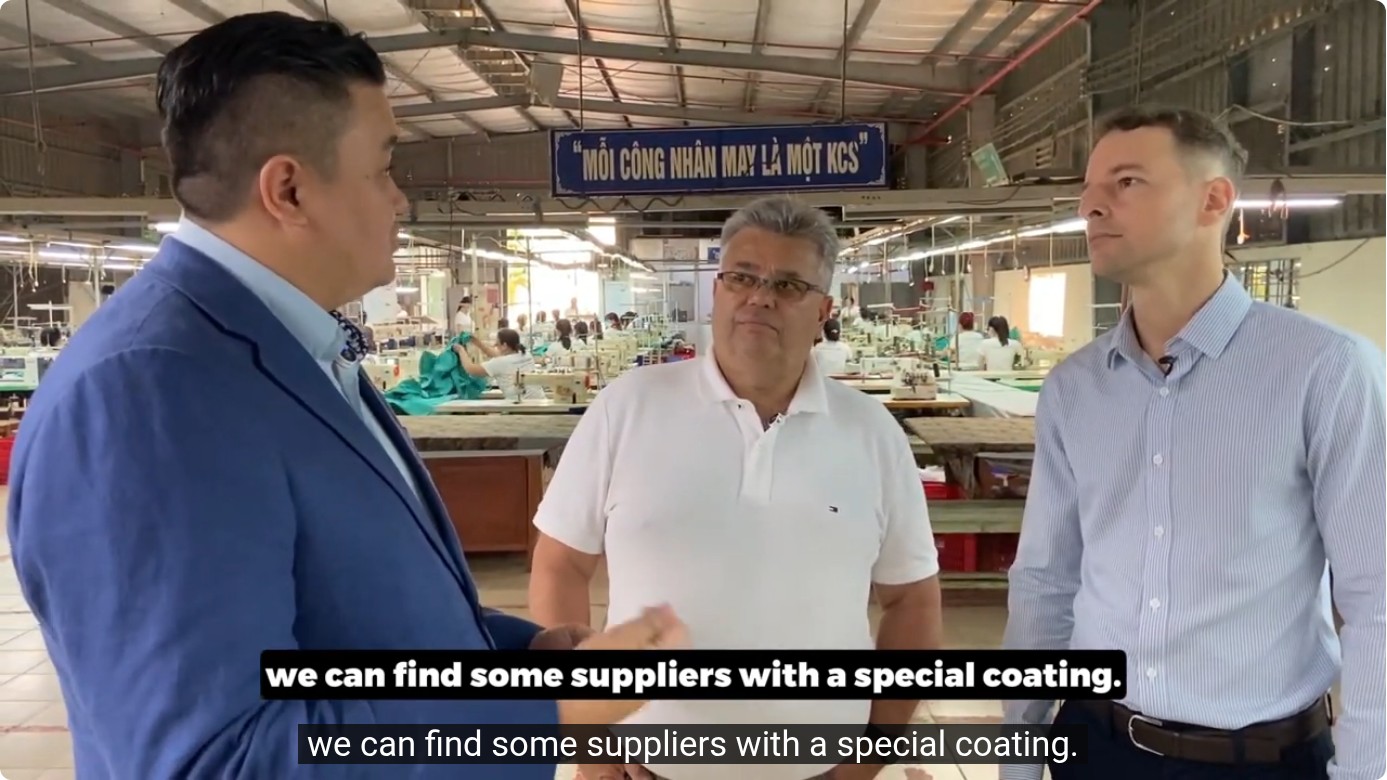
Whether you’re a startup brand or an established retailer, we manufacture custom sportswear at competitive MOQs. Reach out to start your project.