
Finding a reliable manufacturing partner is the cornerstone of launching or scaling any apparel brand. The label “best sportswear manufacturer in China” is not a one-size-fits-all title; it’s a match between a factory’s specific capabilities and your project’s unique needs. The “best” for a high-performance running brand differs vastly from the “best” for a streetwear label producing limited-edition hoodies. This guide cuts through the marketing noise to provide a practical framework for evaluating, selecting, and partnering with a Chinese sportswear factory that aligns with your quality, volume, and customization goals.
We’ll move beyond simple lists to explore the operational DNA of a factory: what their capabilities truly mean for your product, the hidden trade-offs in pricing and minimums, and the precise information you must provide to get accurate quotes and consistent results. Whether you’re a first-time buyer or an established brand looking to optimize your supply chain, understanding these mechanics is non-negotiable for a successful partnership.
Redefining “Best”: It’s About Fit, Not Just Fame
The most publicized factories aren’t necessarily the right fit for your business. “Best” is defined by a combination of technical capability, communication clarity, quality consistency, and business flexibility. A factory that excels at mass-producing basic cotton t-shirts at ultra-low MOQs may lack the machinery or expertise for seamless moisture-wicking compression wear. Conversely, a premium technical outerwear specialist may have MOQs that price out a small boutique brand.
You may also like: A Buyer’s Guide to Different Types of Durags: Styles, Fabrics & Custom Manufacturing
Your evaluation must start with a clear technical specification of your product. Consider these core pillars:
- Material Expertise: Do they have proven experience with your required fabrics—e.g., recycled polyester, brushed fleece, performance knits, or heavyweight cotton? Ask for fabric sourcing options and whether they hold standard certifications like ISO 14001 for environmental management or have OEKO-TEX Standard 100 certification for harmful substance testing.
- Garment Construction: Can they execute the specific stitch types, seam finishes (e.g., flatlock, coverstitch), and detailing (e.g., bonded seams, bar tacks) your design requires? Request samples of similar past work.
- Decoration Proficiency: The best manufacturers have in-house or tightly vetted partners for print (screen, DTG, sublimation) and embroidery. They should advise on artwork suitability for different fabrics and techniques.
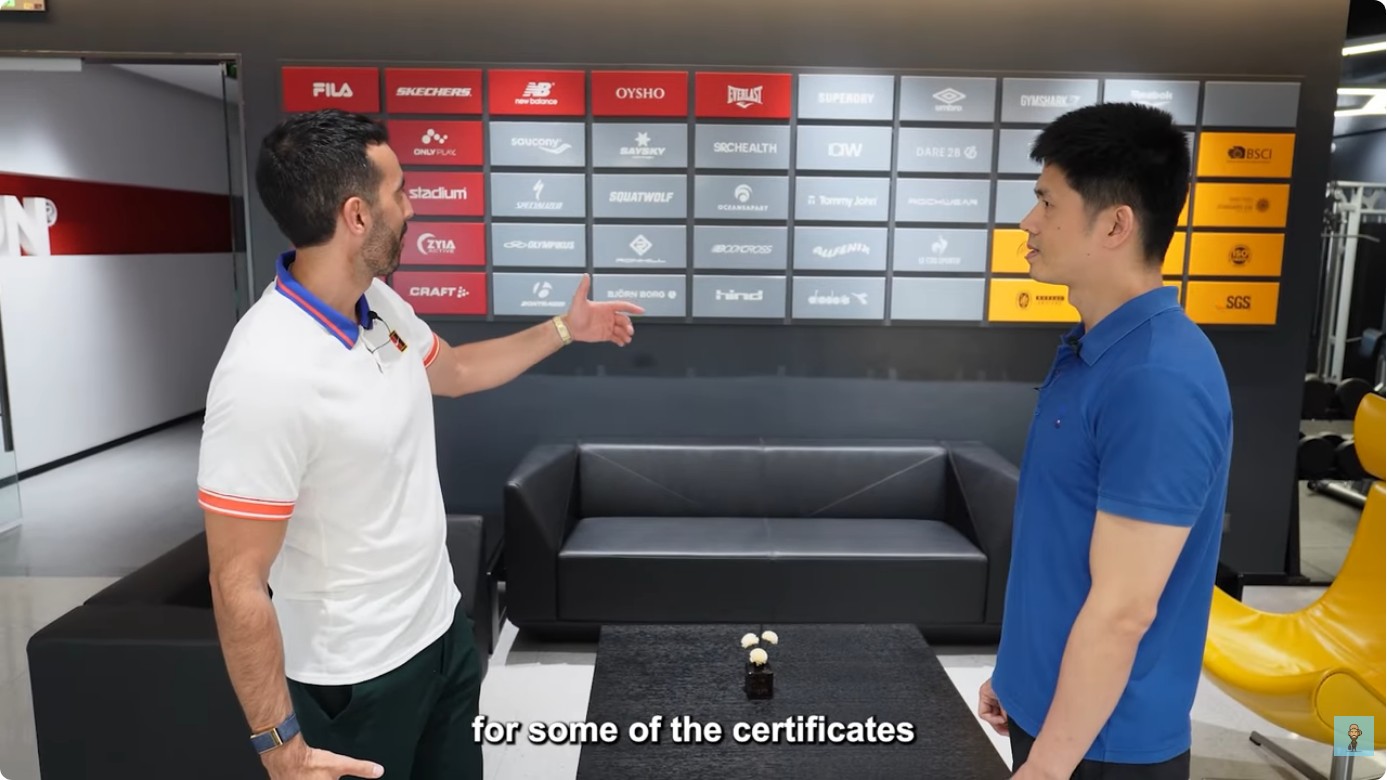
- Certifications & Compliance: For brands selling in regulated markets (EU, US), factories must understand and provide documentation for product safety (e.g., CPSIA), chemical restrictions (e.g., REACH), and social compliance (e.g., BSCI, WRAP).
OEM vs. ODM: Which Service Model Fits Your Stage?
This is a fundamental distinction that shapes your entire project. Understanding it prevents miscommunication and sets accurate expectations.
| Aspect | OEM (Original Equipment Manufacturer) | ODM (Original Design Manufacturer) |
|---|---|---|
| What You Provide | Complete, finalized tech pack, patterns, and samples. | Only a concept, mood board, or reference images. |
| Factory’s Role | Executes your designs exactly. They are your production arm. | Designs, develops, and prototypes the product based on your brief. You then select and customize their existing styles. |
| Best For | Established brands with in-house design teams, specific proprietary designs, or exact replicas of best-sellers. | Startups, new entrants, or brands wanting to leverage proven factory designs to reduce R&D cost and speed up time-to-market. |
| Control & IP | You retain full intellectual property (IP) of the design. | IP of the base design typically remains with the factory. You negotiate exclusive rights for your production run/market. |
| Typical MOQ Impact | Often higher, as patterns and setups are custom. | Can be lower, especially if modifying an existing ODM style, as base tooling exists. |
Key Trade-off: OEM offers maximum uniqueness but requires more upfront work and capital. ODM offers speed and cost-efficiency on development but may limit your product’s distinctiveness unless you invest in significant customization of the ODM base.
The Critical Capability Checklist: What to Verify
When vetting potential partners, move beyond glossy websites. Request evidence and ask pointed questions. Use this checklist during your due diligence.
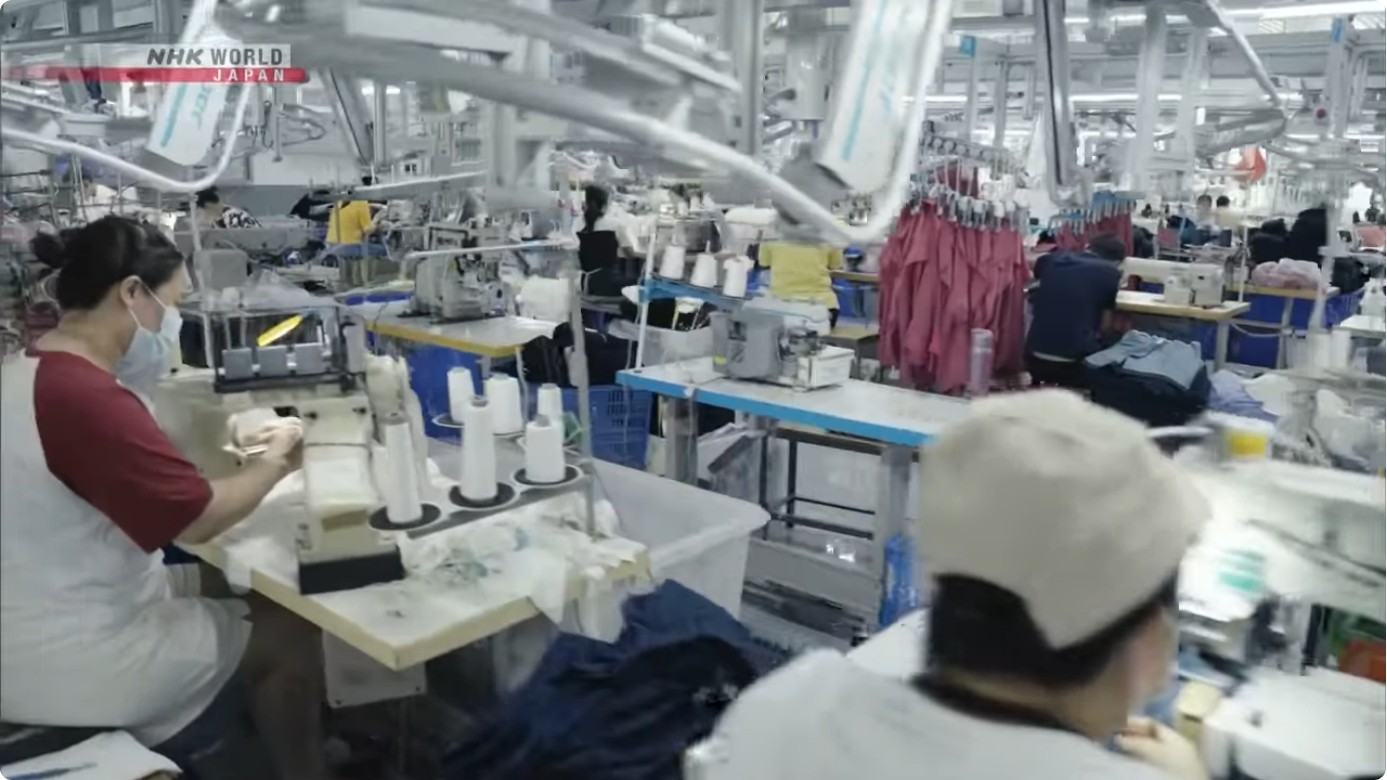
- Production Line Specialization: “We make sportswear” is vague. Do they specialize in knits (t-shirts, hoodies) or wovens (tracksuits, cargo pants)? Are their lines geared toward lightweight activewear or heavyweight streetwear? A factory optimized for silk-screen printing on cotton may struggle with dye-sublimation on polyester mesh.
- Minimum Order Quantities (MOQs) by Product: MOQs are rarely one-size-fits-all. A factory may have a 500-piece MOQ for t-shirts but 200 for joggers due to fabric sourcing and cutting efficiency. Always get MOQs broken down by style and fabric type.
- Sourcing Network: Can they source specific performance fabrics (e.g., 4-way stretch, moisture-wicking, UV-protective) or are you limited to their in-stock catalog? The best partners have relationships with major fabric mills in China, Taiwan, and Korea and can source to your spec.
- In-House vs. Subcontributed Processes: Transparency is key. A factory that subcontracts major processes (like embroidery or complex prints) without disclosure risks quality and timeline issues. Ask: “What percentage of the production process is completed in your facility?”
- Quality Control Stages: Inquire about their QC checkpoints. A robust process includes:
- Fabric inspection upon arrival
- Pre-production sample approval (PP sample)
- During production check (mid-line)
- Final inspection before shipping (often with AQL standards, see SGS on AQL)
- Lead Time Realism: Typical production lead times are 4-8 weeks after fabric and sample approval, but this varies wildly. Factor in fabric sourcing time (especially for imported or custom-dyed fabrics), sample revisions, and shipping. Always build in a buffer.
Preparing for a Quote: Your Technical Pack is Your Blueprint
You cannot get an accurate quote or a quality product without a comprehensive technical pack (tech pack). It is the single most important document you provide. A vague request leads to vague, unreliable quotes.
Your tech pack should be a clear, unambiguous guide for the factory. It must include:
- Flat Sketch/Technical Drawing: Front and back views with precise measurements, construction notes, and stitch types indicated.
- Bill of Materials (BOM): Every fabric type (with weight, composition, and finish), trim (labels, zippers, buttons), and packaging material. Specify country of origin requirements if any.
- Color Standards: Use Pantone Color codes or provide physical color standards (e.g., from Pantone). Do not rely on verbal descriptions like “navy blue.”
- Artwork Files: Vector files (AI, EPS) for prints/embroidery with clear placement guides and color separations.
- Packaging Instructions: How each garment is folded, polybagged, and packed per carton (e.g., 10 pieces per polybag, 50 polybags per carton).
Consequence of a poor tech pack: The factory will make assumptions, leading to costly sample revisions, production delays, and a final product that misses your vision. Investing time here saves 10x the effort later.
Navigating Communication and Samples
Effective communication is a two-way street. The best manufacturers are proactive problem-solvers, not just order-takers.
- Language & Responsiveness: While many sales staff speak English, technical discussions about fit, fabric hand, or construction nuances can get lost. Ensure you have a direct line to a technical manager or pattern maker, not just a sales agent. Test this early.
- The Sample Process: Never skip the pre-production (PP) sample. This is your final chance to catch fit, fabric, and construction issues. Allow 2-3 weeks for its creation and budget for express shipping. Critically evaluate it against your tech pack. A factory that pushes back on making a perfect PP sample is a red flag.
- Managing Revisions: Each sample revision should have a clear, documented list of changes. Use annotated photos. Limit the number of major revision rounds (typically 2-3) to avoid spiraling costs and timelines.
Understanding True Costs: Beyond the Per-Unit Price
A quoted price of $8 per hoodie is meaningless without context. Deconstruct the quote to understand the components:
More advice: Antimicrobial Fabric for Sportswear: A Sourcing and Manufacturing Guide
- Fabric Cost: The largest variable. Is it a standard in-stock fleece or a custom-ordered, heavier weight? Custom dyes and finishes add cost.
- Labor & Overhead: Complexity is key. A simple crewneck hoodie is faster to make than one with a full zipper, multiple pockets, and ribbed cuffs. The number of sewing operations directly impacts labor cost.
- Decoration Cost: Screen printing has high setup costs but low per-unit cost at volume. Embroidery digitization and stitch counts are major cost drivers. DTG (direct-to-garment) has no setup but higher per-unit cost.
- Tooling & Setup: Costs for cutting dies, screen printing screens, embroidery tapes, and pattern making. These are often amortized over the MOQ.
Hidden Costs to Budget For: Sample development (usually 3-5x unit cost), freight (sea vs. air), customs duties, inspection fees (if using a third party), and a contingency (5-10%) for unexpected fabric or production issues.
When Things Go Wrong: Common Pitfalls & Mitigation
Even with the best factory, issues arise. Proactive planning is your best defense.
- Fit Issues: The #1 problem for new brands. Mitigate by providing a detailed fit spec (not just measurements) and, if possible, a approved fit sample on a model of similar build. Use a textile testing lab for crucial performance claims.
- Color Matching: Fabric dye lots and print colors can vary. Always approve a lab dip (fabric swatch dyed to your color) before bulk fabric is cut. For prints, approve a strike-off (printed sample on the actual fabric).
- Delays: Caused by fabric shortages, equipment breakdowns, or labor issues. Include penalty clauses for late delivery in your contract and maintain regular (e.g., weekly) production meeting schedules.
- Quality Discrepancies: Final inspection is your last safeguard. Consider hiring a third-party inspection company like SGS, Bureau Veritas, or Intertek for orders above a certain value. The cost is minimal compared to a rejected shipment.
Final Considerations: Is This a True Partnership?
The best manufacturer acts as an extension of your team. They will flag impractical design elements, suggest cost-saving fabric alternatives, and communicate potential delays immediately. Assess their willingness to collaborate during the sampling phase. Are they just saying “yes” to every request, or are they offering constructive feedback based on their expertise?
Finally, consider scalability. Can they handle your growth from 500 to 5,000 units? Do they have capacity on their main lines, or will your order be pushed to a secondary, less-experienced line? Discuss your 12-month forecast openly.
Frequently Asked Questions
How do I verify a manufacturer’s claims of “experience with Nike/Adidas” or “exporting to the EU”?
Ask for specific, verifiable details. Request the names of brand clients (with permission) or at least the types of garments they produced for them. For export compliance, ask to see their most recent audit reports from firms like Intertek or SGS, and verify their registered business license on Chinese government portals.
What is a realistic MOQ for a custom sportswear startup?
It varies drastically by product. For basic cotton t-shirts using standard fabrics, some factories may go as low as 200-300 pieces per style/color. For technical garments with custom fabrics and prints, expect 500-1000 pieces. ODM base styles can sometimes be ordered in quantities as low as 100-200. Your leverage for lower MOQs increases if you use standard fabrics and simpler constructions.
Should I use a sourcing agent or go directly to a factory?
Agents can be invaluable for first-time buyers, handling communication, logistics, and QC. However, they add cost (typically 5-15% commission) and can create a layer between you and the factory, potentially obscuring problems. If you have a detailed tech pack and some industry knowledge, going direct can save margin and build a stronger relationship. Vet agents with the same rigor as factories.
How do I protect my design from being copied?
China’s IP landscape is improving but requires vigilance. File for design patents or trademarks in China and your key markets before sharing detailed tech packs. Work only with reputable, larger factories that have a history of respecting client IP. Include robust confidentiality clauses (NDA) in your contract, written in both English and Chinese, and specify governing law. For highly sensitive designs, consider starting production in a smaller, controlled batch with a trusted partner before scaling.
We manufacture all the styles discussed in this guide — with custom labels, fabric options, and print or embroidery finishing. Tell us what you need.
Helpful tip: The Modern Men’s Sports Bra: A Practical Guide for Brands & Buyers