
When businesses search for “shirt makers in China,” they’re typically not looking for a local tailor but for a strategic manufacturing partner capable of scaling production. China remains the world’s apparel manufacturing epicenter, offering an unparalleled ecosystem of fabric suppliers, skilled labor, and production infrastructure. For brands, gyms, and retailers, partnering with the right Chinese manufacturer is the cornerstone of launching or expanding a custom sportswear line—from basic tees to performance-driven tank tops and tracksuit sets.
This guide cuts through the noise. We move beyond generic statements about “low cost” to provide a practical framework for selecting, vetting, and collaborating with shirt makers in China. You’ll learn the critical specifications that define product quality, the nuances of OEM versus ODM partnerships, the real-world implications of Minimum Order Quantities (MOQs), and the essential communication steps to ensure your custom vision translates into a physical product that meets your market’s demands.
Why China Dominates Custom Sportswear Manufacturing
The concentration of shirt makers in China isn’t an accident; it’s the result of decades of investment in a vertically integrated supply chain. A single industrial zone might house yarn spinners, fabric knitters/weavers, dyeing and finishing plants, trim suppliers (zippers, tags, labels), and the assembly factories themselves—all within a few hours’ drive. This integration allows for tighter control over lead times and costs compared to fragmented global supply chains.
You may also like: Moodboard Fashion Design: From Creative Vision to Production-Ready Specs
For custom sportswear, this ecosystem provides specific advantages:
- Technical Fabric Expertise: Many factories specialize in high-performance knits like moisture-wicking polyester, bamboo-cotton blends, and brushed fleece. They understand the specifications for breathability, stretch, and durability required for activewear.
- Scalable Production Capacity: From 500-piece startup runs to 50,000-unit replenishment orders, large-scale facilities can flex capacity based on your needs.
- Cost Structure for Bulk: While unit costs for small runs can be high, the per-unit cost drops dramatically at scale due to efficient material sourcing and automated cutting/sewing technologies.
However, this scale also presents a challenge: vetting thousands of potential partners. The key is to look beyond the surface-level “we make shirts” claim and evaluate a factory’s specific specialization.
Defining “Shirt Makers”: Product Categories & Specializations
Not all shirt makers in China are created equal. A factory adept at lightweight, fashion-forward t-shirts may lack the machinery or expertise for heavy-weight hoodies or technical mesh tank tops. Your first task is to match your product vision with a manufacturer’s proven capabilities.
Core Activewear Categories
Chinese factories typically categorize their production lines. Understanding these categories helps you target your search:
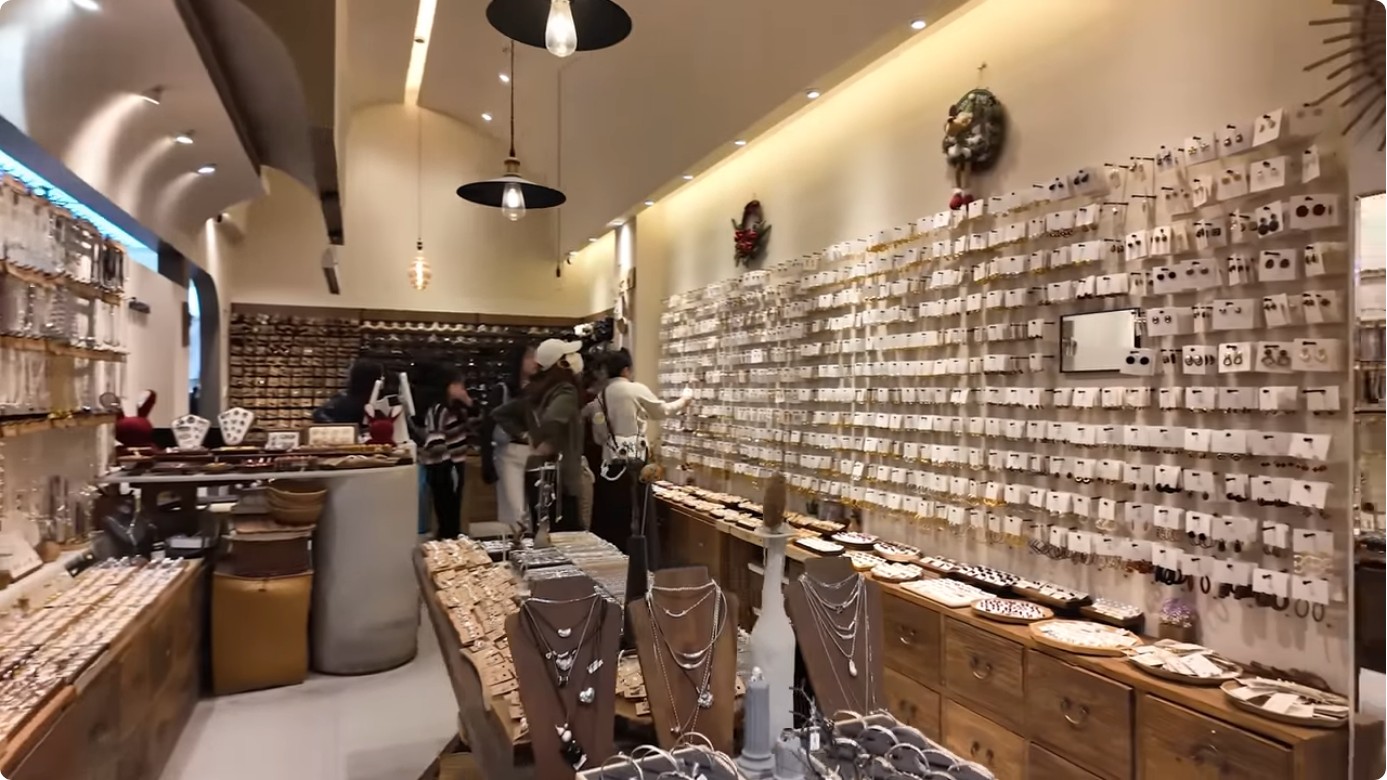
- T-Shirts & Basics: The highest-volume category. Focus here is on fabric consistency, neckline stability (collars), and hem durability. Sub-specialties include AATCC-rated colorfastness testing for dyeing plants.
- Performance Tops (Tank Tops, Rash Guards): Requires expertise in working with 4-way stretch fabrics, flat-lock stitching to prevent chafing, and sometimes seamless knitting technology.
- Sweatshirts & Hoodies: Demands experience with heavier fleece (280-320 GSM), rib knit cuffs/waistbands, and hood lining/attachment. French terry vs. brushed fleece is a key specification.
- Polo Shirts: Involves precise placket stitching, collar and sleeve cuff construction, and often, button-attachment automation.
- Tracksuits & Joggers: Combines expertise in jacket construction (zippers, pockets, lining) with pant production (elastic/cuffed hems, drawstring waistbands).
The OEM vs. ODM Decision Point
This is a fundamental choice that shapes your entire project:
- OEM (Original Equipment Manufacturer): You provide the complete design—spec sheets, tech packs, samples, and fabric swatches. The factory executes your vision exactly. This is ideal for established brands with in-house design teams who own the IP.
- ODM (Original Design Manufacturer): The factory presents their existing design templates or collections, which you can then customize (e.g., change color, add your logo, select from their fabric options). This is faster and less costly for market entrants but limits design uniqueness. Many “shirt makers in China” operate primarily as ODMs for smaller buyers.
Tradeoff: OEM offers full control but requires significant upfront design investment and higher communication overhead. ODM offers speed and lower risk but results in products that may be similar to other brands using the same factory.
Fabric & Material: The Foundation of Your Product
The fabric is not just a material; it’s the primary performance determinant. Shirt makers in China will source from a vast network of mills. Your responsibility is to specify or approve the correct substrate.
Common Sportswear Fabric Constructions
| Fabric Type | Common Blends | Best For | Key Sourcing Consideration |
|---|---|---|---|
| Single Jersey | 100% Cotton, 60/40 Poly-Cotton, 100% Polyester | Basic T-shirts, casual wear | GSM (grams per square meter) determines thickness. 180-220 GSM is standard for tees. Ask for pre-shrunk fabric to minimize post-wash shrinkage. |
| Interlock / Double Jersey | 100% Cotton, Cotton/Poly blends | Higher-end basics, polo shirts | More stable, less prone to curling at hems. Feels thicker and more substantial than single jersey at same GSM. |
| French Terry | 100% Cotton, Cotton/Poly | Lightweight sweatshirts, crewnecks | Looped inner face provides softness and moisture management. Distinguish from terry cloth (toweling loops). |
| Brushed Fleece | 100% Cotton, Cotton/Poly | Hoodies, sweatpants, cold-weather gear | Brushing process creates soft nap. 280-320 GSM is typical for outerwear. Polyester content increases durability and reduces shrinking. |
| Performance Mesh/Polyester | 100% Polyester, often with moisture-wicking treatment | Jerseys, running tanks, athletic uniforms | Must specify required wicking rate (e.g., moisture transport ISO 15525). Look for Oeko-Tex Standard 100 certification for chemical safety. |
Pro Tip: Always request a pre-production fabric swatch (at least 10×10 cm) and subject it to your own wash/dry test before approving bulk production. This is non-negotiable for quality control.
Customization: From Logo to Full Garment
Customization is your value-add. Understanding the methods and their limitations is crucial for accurate costing and design feasibility.
Decoration vs. Fabric Manipulation
- Screen Printing: Most cost-effective for large volumes (typically 50+ pcs/design). Ideal for bold, graphic designs. Limitations: gradient colors, fine detail. Ask about plastisol vs. water-based inks (water-based is softer, more eco-friendly but can be less opaque on dark fabrics).
- Embroidery: Gold standard for logos on polos, jackets, and caps. Costs are driven by stitch count. Complex designs can become prohibitively expensive. Key question: Does the factory have in-house embroidery or outsource? In-house offers better quality control.
- Heat Transfer / Vinyl: Good for small runs, names/numbers on jerseys, or designs with many colors. Durability can vary; request sample tests of washed transfers.
- Sublimation: All-over, edge-to-edge printing. Only works on 100% polyester fabrics. Perfect for unique, full-coverage designs on performance wear. Requires white or light-colored fabric base.
- Woven Labels / Hangtags: Often overlooked but critical for brand perception. Factories can source these or you can provide them. Specify material (satin, cotton, polyester), size, and attachment method (sewn-in, heat-seal).
Construction-Level Customization (OEM Focus)
If you’re doing OEM, you control the pattern. This includes:
- Neckline type (crew, V-neck, Henley)
- Sleeve cut (raglan, set-in, cap)
- Hem style (straight, curved, with side vents)
- Pocket placement and style
- Seam type (flat-felled for strength, overlock)
Every change from a standard factory pattern may incur a pattern-making fee (typically $50-$200) and could affect the MOQ.
Quality Markers: What to Inspect on a Sample
You will receive a pre-production sample (a “counter sample” or ” approving sample”). Your approval locks in the production standard. Here is a checklist of what to examine:
You may also like: Heavy Weight Fleece: A Practical Guide to Specifications, Uses, and Sourcing
- Stitch Density & Consistency: Count stitches per inch (SPI) on seams. Higher SPI (14-16) generally means better durability and a smoother look. Check for loose threads, skipped stitches.
- Seam Integrity: Gently pull on side seams and shoulder seams. They should not gap or distort significantly.
- Fabric Hand & Recovery: Does the fabric feel as specified (e.g., soft, crisp, stiff)? Does it spring back after being crumpled? Poor recovery indicates low-quality knit.
- Color Matching: Compare to your Pantone or provided swatch under natural light. Check for color variance within the garment (e.g., left vs. right sleeve).
- Print/Embroidery Alignment: Is the logo centered, straight, and at the correct distance from seams? Is the embroidery’s backing material properly trimmed?
- Fit & Measurements: Measure every critical point (chest, length, sleeve, neck drop) against your spec sheet. Allow for a tolerance of +/- 1.5cm.
Caveat: A single approved sample is your benchmark. The factory is obligated to match it. Insist on returning the approved sample to the factory as a physical reference for the production line.
Navigating MOQs, Lead Times, and Costs
This is where most sourcing conversations live or die. Transparency here is critical.
Understanding MOQ (Minimum Order Quantity)
MOQs exist because factory setup (cutting, machine calibration, thread/ink changes) has a fixed cost. Chinese shirt makers typically have MOQs based on:
- Per Style/Color: Most common. E.g., 500 pieces per style per color.
- Total Order Volume: Some factories will lower per-style MOQ if your total order exceeds 2,000-3,000 pieces across all styles.
- Fabric-Driven: If you require a special, custom-knit fabric, the mill will have its own MOQ (often 1,000+ yards), which dictates your garment MOQ.
Reality Check: For a startup wanting 100 custom hoodies in 3 colors, you will likely need to work with a smaller, more flexible workshop or a trading company that aggregates orders. Expect MOQs of 200-300 units per color in such cases, but at a higher per-unit cost.
Cost Breakdown & Hidden Fees
A quote should be itemized. Watch for:
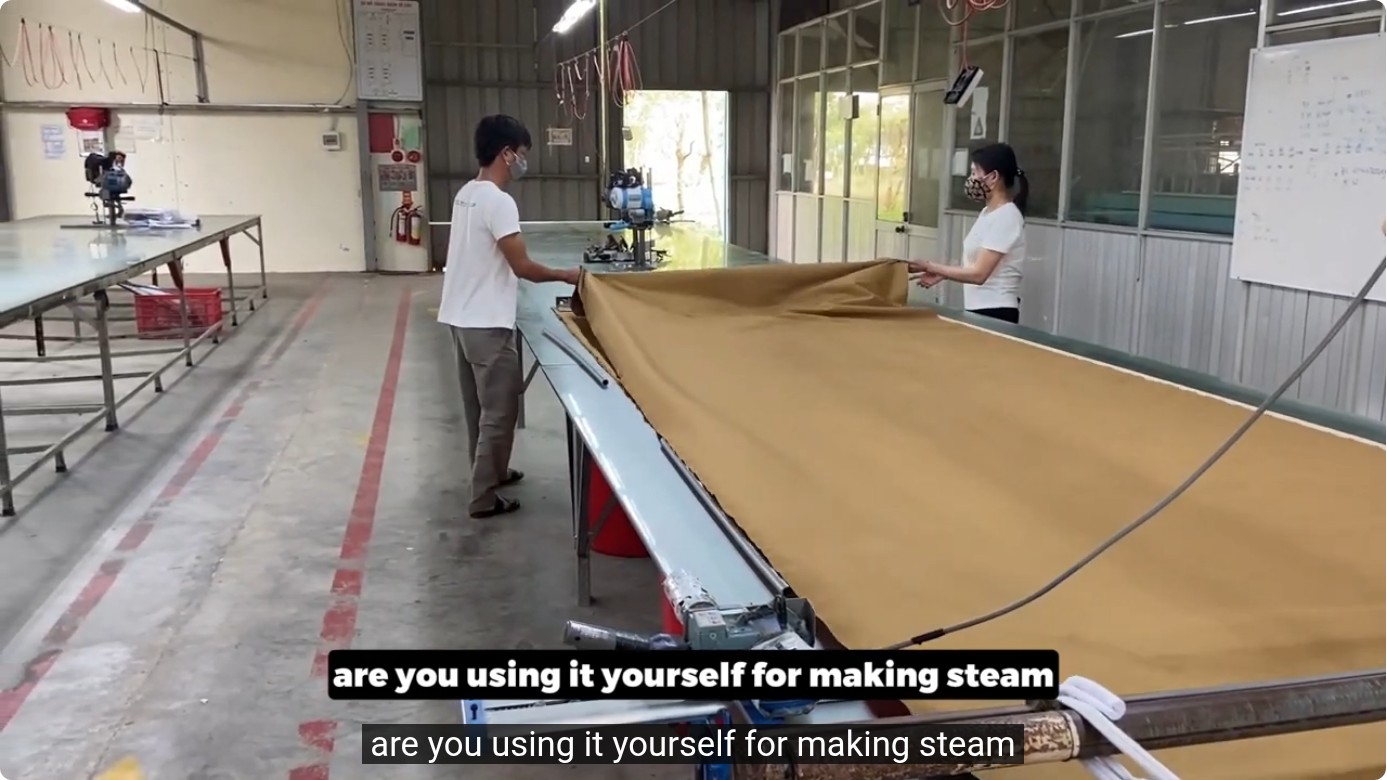
- Fabric Cost: Per meter/yard. Ask for fabric composition and weight (GSM).
- Making Charge: The labor cost per garment, based on style complexity. A simple tee is cheaper than a zippered hoodie.
- Decoration Cost: Per piece (print/embroidery). Often includes setup/artwork fees.
- Accessories: Tags, labels, buttons, zippers, polybags.
- Quality Control (QC):strong> Some factories include basic inline QC; final random inspection (e.g., AQL 2.5) may be an extra $300-$800.
- Shipping & Duties: Almost always quoted EXW (Ex-Works) or FOB (Free on Board) your port. You must factor in freight forwarder costs, insurance, and your country’s import duties.
How to Communicate Effectively with a Factory
Poor communication is the #1 cause of failed custom orders. Prepare a comprehensive packet before first contact.
Your Pre-Contact Checklist
- Clear Tech Pack: A PDF with flat sketches (front/back), detailed construction notes, fabric specs (composition, GSM, source if you have one), color references (Pantone codes), and a full size chart with measurement tolerance.
- Reference Samples: Physical garments from competitors or old collections that demonstrate the quality, weight, and drape you expect.
- Defined Target Price: Have a realistic unit cost in mind based on your market research. This helps filter unrealistic quotes immediately.
- Timeline: Know your required delivery date, working backward to account for production (typically 4-8 weeks after fabric approval), quality control, and shipping (4-6 weeks by sea).
- List of Questions: Ask about their experience with your fabric type, their in-house QC process, who your project manager will be, and their policy on re-work for defective goods.
Use tools like WeTransfer or Dropbox for large file sharing, but always summarize key points in the email body in clear, simple English. Assume the person reading has a basic technical understanding but may not be a fashion designer.
Common Follow-Up Questions: Buyer’s FAQ
How do I verify a shirt maker in China is legitimate?
Request their business license ( Gong Shang Zheng Hao) and, if possible, a video tour of their facility. Use platforms like Alibaba (with Gold Supplier status) or Made-in-China which have some verification. For larger orders, hire a third-party inspection company like QIMA or Inspection.com to audit the factory before you pay a deposit.
What’s the typical payment term?
Standard is 30% deposit via wire transfer (T/T) upon order confirmation, and 70% balance before shipment, often against a copy of the bill of lading. Some factories accept PayPal for the deposit (at a 3-4% surcharge) but almost never for the balance due to high fees and chargeback risks. Letters of Credit (L/C) are possible but add bank fees and complexity, typically for orders over $50,000.
Can I order less than the stated MOQ?
You can ask, but be prepared for a significantly higher per-unit price (often 50-100% more) as the factory will have to absorb the setup cost on fewer units. It’s sometimes viable for a first, small order to test the relationship, but not a sustainable long-term strategy.
How do I handle quality issues after shipment?
Your contract should specify a remedy period (e.g., 15 days after receipt). Document all defects with photos/video. A reputable factory will offer a replacement run or credit on your next order for defective units within a reasonable percentage (usually 1-3% of the order is considered a normal defect rate; anything above should be negotiated). This is why the approved sample is so important—it’s the legal standard.
Whether you’re a startup brand or an established retailer, we manufacture custom sportswear at competitive MOQs. Reach out to start your project.
Related guide: Raw Hem T-Shirts: A Sourcing Guide for Brands and Buyers