
When sourcing custom sportswear, the term “fashion materials list” isn’t just about aesthetics—it’s the foundational blueprint for performance, cost, and production feasibility. For brands, gyms, and teams, understanding this list is critical to translating a design vision into a high-quality, durable product that meets athlete needs and market expectations. This guide moves beyond a simple catalog of fabrics to provide a practical, manufacturing-focused breakdown of materials commonly used in activewear, tailored specifically for B2B buyers and custom apparel projects.
We will categorize materials by their core properties, highlight their ideal use cases in t-shirts, hoodies, tracksuits, and cargo pants, and detail the key production questions you must answer when selecting a fabric for OEM or ODM manufacturing. This knowledge empowers you to communicate effectively with your factory, set realistic quality standards, and make informed trade-offs between performance, feel, and cost.
Quick Orientation: Your Material Selection Framework
Before diving into specifics, use this mental checklist when evaluating any fabric for a custom order. Your final choice hinges on these interconnected factors:
- Primary Function: Is the garment for high-intensity sweat (moisture-wicking), warmth (insulation), durability ( abrasion resistance), or casual style (hand-feel)?
- Key Performance Specs: Required GSM (grams per square meter), stretch percentage, pill resistance, colorfastness, and special finishes (e.g., anti-odor, UPF).
- Production Practicality: Minimum Order Quantity (MOQ) for the specific fabric/color, lead time, and the factory’s familiarity with sewing that material.
- Cost & Compliance: Fabric cost per meter/yard, total garment cost impact, and necessary certifications (e.g., OEKO-TEX Standard 100 for有害物质, GRS for recycled content).
Natural & Cellulosic Fibers: The Breathable Foundation
These materials are prized for comfort, breathability, and a natural feel but often require blending or treatment for high-performance sportswear.
Cotton (The All-Rounder)
The world’s most common apparel fiber. For sportswear, its role is nuanced.
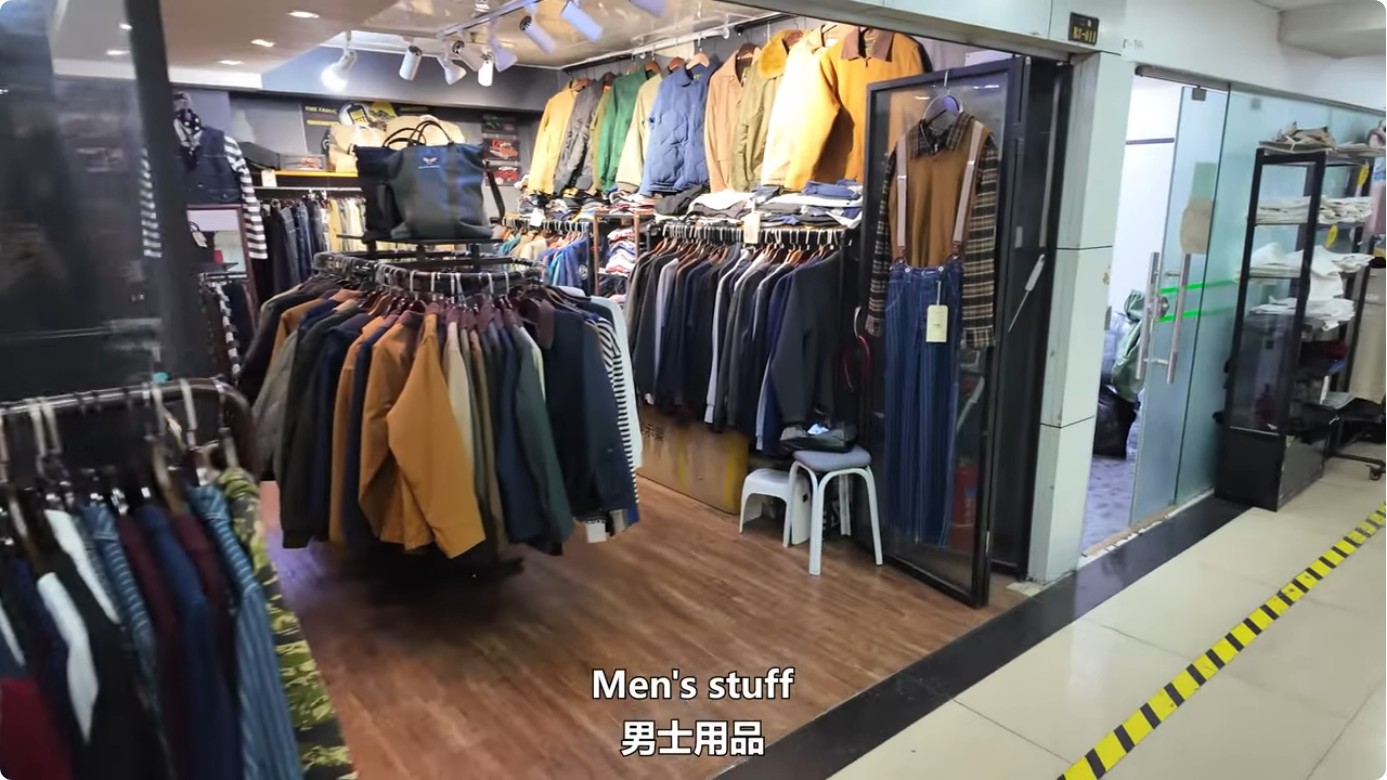
- Variants: Combed, ring-spun, and organic cotton. Ring-spun offers superior softness and durability over open-end yarn.
- Best For: Casual gym t-shirts, heavyweight hoodies, crewnecks. Not ideal for high-sweat activities unless treated or blended.
- Sourcing Note: Cotton prices fluctuate with commodity markets. Organic cotton commands a premium and has higher MOQs. Specify “ring-spun cotton” for a premium feel in your tech pack.
Bamboo/Viscose Rayon (The Soft Alternative)
Made from bamboo pulp, these fibers are exceptionally soft, breathable, and have natural moisture-wicking properties.
- Best For: Lightweight yoga tops, loungewear sets, and sensitive-skin base layers.
- Caveats: Rayon (including bamboo viscose) can shrink and weaken when wet. Requires careful laundering instructions for end consumers. Production can involve harsh chemicals; seek suppliers with closed-loop processing like Tencel™ Lyocell for a more sustainable claim.
- Production Tip: Bamboo blends well with cotton and spandex. Expect a 10-15% higher fabric cost vs. standard cotton.
Synthetic Performance Fibers: The Technical Engine
These are the workhorses of performance activewear, engineered for specific functions like moisture management, stretch, and quick-drying.
Polyester (The Versatile Workhorse)
The most common synthetic in sportswear due to its durability, low cost, and adaptability.
- Key Forms:
- 100% Polyester: Great for structured pieces (cargo pants, jackets) and sublimation printing.
- Polyester-Spandex/Elastane Blends (e.g., 92% Poly/8% Spandex): The standard for fitted performance tees, leggings, and tracksuit bottoms. The spandex provides critical 4-way stretch.
- Polyester Mesh: Used for linings, panels, and lightweight jerseys.
- Performance Treatments: Polyester can be engineered for moisture-wicking ( capillary action), anti-microbial (silver ions or chitosan), and UV protection. Ask your fabric supplier for spec sheets on these finishes.
- Production Consideration: Polyester is prone to pilling (surface fuzzing). Specify a “low-pill” or “anti-pill” finish for garments that will see heavy friction.
Nylon (The Tough Competitor)
Also known as polyamide. Lighter, softer, and stronger than polyester, with excellent abrasion resistance.
- Best For: High-end running shorts, swimwear, windbreakers, and durable cargo pant fabrics.
- Trade-offs: More expensive than polyester and less UV resistant (degrades in sunlight). Often blended with spandex for stretch.
- Key Term: Look for “Nylon 6,6” for superior strength and durability versus standard Nylon 6.
Recycled Polyester (rPET) & ECONYL®
Made from plastic bottles or fishing nets. Functionally identical to virgin polyester but carries a sustainability premium.
- Sourcing: Widely available. Requires chain-of-custody certification (GRS or RWS) to make credible claims. MOQs can be 20-30% higher for specific colors.
- Consumer Appeal: A major marketing point for eco-conscious brands. Ensure your factory can source certified fabric from reputable mills.
Blends & Specialized Knits: Engineering the Perfect Hand-Feel
Most performance sportswear uses blends to combine the best properties of different fibers.
Cotton-Polyester Blends (The Cost-Performance Bridge)
Common ratios: 60/40, 50/50, 65/35 (poly/cotton).
More advice: The Large Blanket Hoodie: A Sourcing Guide for Brands and Buyers
- Pros: Balances cotton’s softness and breathability with polyester’s durability, wrinkle resistance, and moisture management. Lower cost than 100% performance synthetics.
- Cons: Still absorbs moisture (cotton portion), so not for extreme sweat. Can feel less “technical.”
- Ideal Use: All-season training t-shirts, casual hoodies, and team apparel where budget and comfort are priorities over elite performance.
French Terry & Loopback Jersey
Not a fiber, but a knit structure. Features a looped, Terry-like backside.
- Properties: Highly breathable, soft, with a textured feel. Excellent for mid-layer hoodies and sweatshirts.
- Manufacturing Note: Loopback can be made from cotton, cotton/poly blends, or tri-blends. GSM (weight) is key: 280-320 GSM for a premium hoodie, 200-240 GSM for a lightweight pullover.
Rib Knit & 1×1/2×2 Rib
A stretchy knit used for cuffs, waistbands, and necklines.
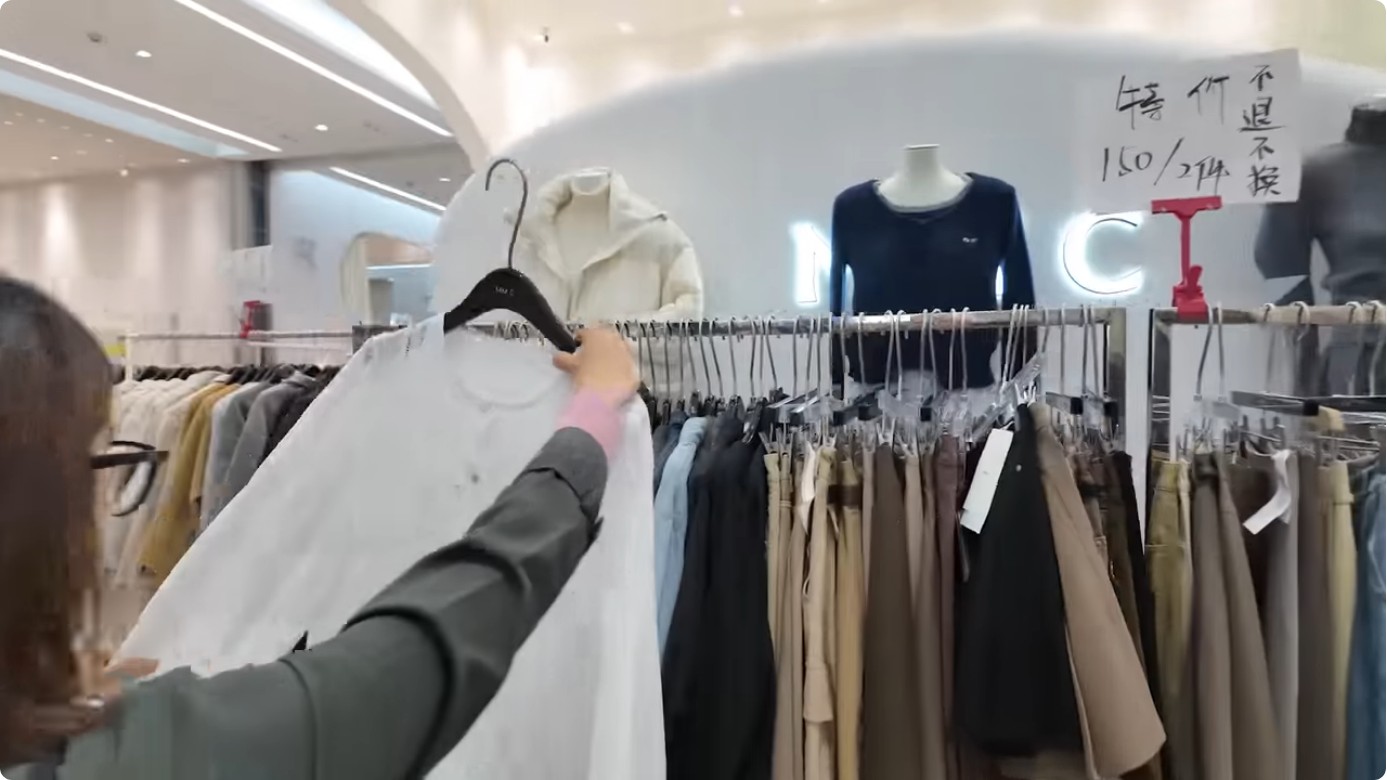
- Critical Spec: Specify the rib’s “stretch percentage” (e.g., 100% stretch) and recovery in your tech pack. Poor-quality rib will bag out and lose shape.
- Material: Usually a cotton/poly/spandex blend for durability and recovery.
Comparative Material Selection Table for Key Garments
| Garment Type | Primary Material Recommendations | Key Performance Focus | Typical GSM Range | Custom Production Note |
|---|---|---|---|---|
| Performance T-Shirt (Fitted) | 100% Polyester (microfiber), Poly/Spandex Blend (92/8) | Moisture-wicking, 4-way stretch, quick-dry | 140-180 GSM | MOQ for performance knits often 1,000-3,000 yards per color. Sublimation printing only works on 100% polyester. |
| Casual/All-Season T-Shirt | Cotton/Poly Blend (60/40), Ring-Spun Cotton | Soft hand-feel, durability, shape retention | 180-220 GSM | Lower MOQs (500-1,000 pcs) on standard blends. Garment-dyeing possible for vintage look. |
| Heavyweight Hoodie | French Terry (Cotton/Poly), Loopback Jersey | Warmth, durability, premium feel | 280-360 GSM | Weight directly impacts cost and shipping. Verify rib knit quality at cuff/hem. |
| Cargo Pants/Shorts | Poplin (Cotton/Poly), Twill (100% Poly, Nylon/Poly) | Abrasion resistance, wrinkle resistance, pocket durability | 220-300 GSM | Fabric must be pre-shrunk. Check for “double-needle” stitching on pockets in sample approval. |
| Tracksuit Bottoms | Polyester/Super Brushed Fleece, Poly/Spandex Knit | Stretch, warmth, moisture-management | 260-320 GSM (fleece) | Brushed fleece has a nap; ensure consistent brushing direction across large panels. |
The Critical Sourcing & Communication Checklist
When you approach a factory with a custom order, vague material requests lead to cost overruns and quality issues. Use this checklist in your initial inquiry and tech pack.
- Specify Exact Fabric Construction: Don’t just say “performance fabric.” Provide: Fiber content (e.g., 92% Polyester, 8% Spandex), knit/weave type (e.g., single jersey, 2×2 rib, poplin), and GSM.
- Request a Mill Sample & Test Report: A credible factory will provide a physical fabric swatch and a lab test report showing shrinkage, colorfastness (AATCC test), pilling (Martindale), and any special finish efficacy (e.g., moisture wicking rate).
- Define the Target Price Point: Communicate your retail target. A factory can then recommend material grades that fit the cost structure. A $30 retail tee vs. a $80 technical shell require vastly different fabric investments.
- Ask About Fabric MOQs & Lead Times: Some technical fabrics have high minimums from the mill. Factories may have stock fabrics for smaller orders, but color/GSM options are limited.
- Clarify Washing & Finishing: Will the garment be garment-dyed? Stone-washed? This affects fabric choice and pre-shrinking requirements.
- Confirm Sustainability Claims: If you need organic, recycled, or bluesign® materials, state this explicitly. Ask for certificates of authenticity. Be wary of “greenwashing” with vague terms like “eco-friendly.”
Navigating Trade-offs: Real-World Scenarios
Scenario 1: A startup yoga brand wants a buttery-soft, sustainable legging.
Recommended Path: Tencel™ Lyocell/Spandex blend. It offers superior softness, breathability, and a strong sustainability story. Trade-off: Higher cost (25-40% above standard nylon/spandex) and potentially longer lead times due to specific mill sourcing. Start with a lower MOQ to test the market.
Scenario 2: A CrossFit gym needs durable, cost-effective team t-shirts for daily wear.
Recommended Path: 60/40 cotton/polyester blend, 180-200 GSM, ring-spun. It’s comfortable, holds up to frequent washing, and is budget-friendly. Trade-off: Poor moisture management for intense WODs; not a “performance” garment. Set clear consumer expectations.
Scenario 3: A running brand requires a lightweight, ultra-wicking tank top.
Recommended Path: 100% polyester microfiber jersey, 140 GSM, with a proven moisture-wicking finish. Trade-off: Can feel less “natural” and may develop odor faster than fabrics with inherent antimicrobial properties (like merino). Specify an anti-odor treatment if needed.
Your Next Steps in Material Sourcing
Selecting the right fashion material is a balancing act between performance goals, production realities, and budget. The most successful custom orders begin with a clear, detailed material specification. Start by defining the non-negotiable performance requirements for your garment’s end use. Then, engage your manufacturing partner with those specs—a good OEM/ODM partner will present fabric options, their trade-offs, and samples for your approval.
Need custom versions of any style covered here? Our sportswear factory handles everything from tech pack review to bulk delivery. Request a sample or quote.