
For brands and buyers in the activewear space, the choice of fabric is a fundamental decision that impacts product performance, customer satisfaction, and ultimately, your brand’s reputation. Among the many cotton options available, Pima cotton stands out for its exceptional qualities. But sourcing Pima cotton tees wholesale isn’t just about picking a soft fabric; it involves understanding nuanced quality markers, navigating production capabilities, and aligning material properties with your specific product goals. This guide cuts through the marketing to provide a practical, manufacturing-focused overview of Pima cotton tees, specifically for businesses looking to source or customize them at scale.
Whether you’re a fashion brand developing a premium basics line, a gym outfitting staff, or a sports team requiring durable yet comfortable jerseys, this article will equip you with the questions to ask and the specifications to demand from your factory partner. We’ll cover the inherent properties of Pima cotton, translate those into real-world garment benefits, and detail the critical production and sourcing considerations that define a successful wholesale order.
What Exactly is Pima Cotton?
Pima cotton is not a brand or a style; it’s a classification of extra-long staple (ELS) cotton. The “staple” refers to the length of the individual cotton fibers. Pima cotton fibers are significantly longer (typically 1.5 to 2 inches) than those of standard upland cotton (about 1 inch). This longer staple length is the source of all its downstream advantages. Primarily grown in the arid climates of the American Southwest, Peru, and Australia, the most recognizable and certified form is Supima® cotton, which is a trademarked brand guaranteeing the cotton’s authenticity and quality through strict chain-of-custody tracking.
For the manufacturer, the staple length translates directly into how the yarn spins and, consequently, how the final fabric performs. Longer fibers can be spun into finer, stronger yarns with fewer ends protruding, resulting in a smoother, more lustrous, and more durable fabric surface. This is the core technical differentiator you must verify with your supplier.
Key Properties of Pima Cotton for Activewear & Basics
The characteristics of Pima cotton make it a compelling, though premium, choice for a wide range of apparel. Understanding these properties helps you match the fabric to your intended use case and price point.
- Superior Softness & Smoothness: The long, uniform fibers create a fabric with a silk-like hand feel and a clean, smooth surface that resists pilling. This is a major selling point for consumer-facing basics and loungewear.
- Enhanced Strength & Durability: Pima cotton is up to 50% stronger than standard cotton. This means garments withstand repeated washing, stretching, and wear with less degradation—a critical factor for team uniforms, gym wear, and any product where longevity is a key value proposition.
- Better Moisture Absorption: While not as moisture-wicking as synthetic performance fabrics, Pima cotton’s natural absorbency is superior to regular cotton. It can absorb about 25% of its weight in moisture before feeling damp, making it more comfortable for low-to-moderate intensity activity than standard cotton, which becomes saturated and heavy quickly.
- Excellent Dye Affinity: The fiber structure takes dye deeply and evenly, resulting in rich, vibrant colors that are less prone to fading over time. This is a significant advantage for brands focused on color consistency and branding.
- Dimensional Stability: Garments made from Pima cotton are less prone to shrinking and twisting when laundered properly, a major quality control concern for any apparel business.
Note: These properties are most pronounced in 100% Pima cotton fabrics. Blends with synthetics (e.g., Pima/polyester) can alter this profile, often enhancing moisture-wicking and reducing cost while compromising some of the pure cotton’s softness and breathability.
Comparative Overview: Pima vs. Common Cotton Alternatives
When sourcing, you’ll evaluate Pima against other materials. The following table outlines key trade-offs from a production and end-use perspective.
| Feature | Supima® Pima Cotton | Standard Upland Cotton | Egyptian Cotton (ELS) | Common Cotton/Poly Blend |
|---|---|---|---|---|
| Fiber Length | Extra-Long Staple (1.5″+) | Short Staple (~1″) | Extra-Long Staple | Varies (cotton component) |
| Softness & Hand | Very High – silk-like, smooth | Medium – can feel rough, especially after washes | High – similar to Pima, but certification varies | Medium-Low – poly can feel slick or plasticky |
| Durability/Strength | Very High – resists pilling, tearing | Low-Medium – prone to pilling, wears faster | High | High (from poly), but cotton component degrades |
| Moisture Management | Good (Natural absorbency) | Fair | Good | Very Good (poly wicks sweat) |
| Cost (Fabric) | Premium (2-3x+ standard cotton) | Low – baseline commodity | Premium (similar to Pima, verify认证) | Low-Medium |
| Best For | Premium basics, loungewear, high-end team wear, brands marketing luxury comfort | Budget-friendly basics, promotional tees | Similar to Pima, ensure verified ELS status | Performance activewear, cost-sensitive workwear |
Who Buys Pima Cotton Tees Wholesale? Target Use Cases
The decision to source Pima cotton is strategic and aligns with specific market positioning. Here are the primary buyer profiles and their motivations:
- Premium Fashion & Basics Brands: These buyers leverage Pima’s superior softness and drape as a core product feature. It justifies a higher retail price point and builds brand equity around quality and comfort. They often seek Garment Dyed or garment-washed finishes to enhance the fabric’s soft hand further.
- High-End Gym & Studio Chains: For staff uniforms or high-end retail apparel sold in-gym, Pima offers a more comfortable, professional alternative to synthetic performance wear. Its natural breathability is suitable for low-impact activities or as a premium lounge-to-studio transition piece.
- Corporate & Team Apparel Buyers: Companies ordering for executive teams, or sports teams with larger budgets, prioritize durability and a refined look. Pima tees hold up better to repeated laundering in a team setting and present a more sophisticated image than standard cotton.
- Hotel & Hospitality Groups: For high-end hotel guestwear or staff uniforms, the combination of softness, durability, and excellent dye retention makes Pima a compelling choice for long-term use and consistent branding.
The Sourcing Checklist: Verifying Pima Cotton Quality
“Pima cotton” is a term that can be used loosely. To ensure you receive the genuine, high-performance fabric you’re paying for, a rigorous verification process is essential. Use this checklist when vetting suppliers and reviewing fabric swatches.
- Demand Certification: The gold standard is Supima® certification. This guarantees the cotton is 100% extra-long staple Pima, grown in the USA, and tracked from field to finished goods. Request the supplier’s Supima license number and verify it on the Supima website. For non-Supima Pima, ask for ELS cotton certification from a recognized body like the Cotton Incorporated or specific country-of-origin guarantees.
- Inspect the Fabric Swatch: Evaluate a pre-production fabric swatch (not a garment sample) for:
- Hand Feel: It should feel distinctly smooth, cool, and dense, not thin or rough.
- Visual Density: Hold it up to light. A quality Pima knit will have a clean, uniform appearance with minimal slubs (thick/thin variations) and a subtle luster.
- Recovery: Stretch the fabric gently. It should have good recovery and not feel limp or overly stretchy (which can indicate excess elastane or poor yarn structure).
- Weight: Pima is often used in mid-weight fabrics (180-220 GSM for tees). Ensure the GSM matches your product spec.
- Ask for Yarn Count & Construction: A reputable factory will specify the yarn count (e.g., 30/1, 40/1) and knit construction (e.g., 1×1 rib, jersey). Finer yarn counts (higher numbers) generally indicate a smoother, higher-quality fabric. Ask how the Pima fiber is spun—ring-spun yarn is superior for softness and strength compared to open-end yarn.
- Review Shrinkage & Care Specifications: High-quality Pima should have controlled shrinkage (typically 3-5% after proper pre-shrinking). Get written shrinkage rates. The care label should recommend machine washing cold and tumble drying low to preserve the fabric’s integrity.
Custom Manufacturing: OEM/ODM Considerations for Pima Tees
Sourcing Pima cotton tees wholesale through OEM (Original Equipment Manufacturer) or ODM (Original Design Manufacturer) channels adds layers of specification. Your factory partner is not just a supplier; they are a co-developer. Here’s what you need to communicate and expect.
Critical Specifications to Define
Vague requests lead to inconsistent results. Provide these details in your request for quotation (RFQ):
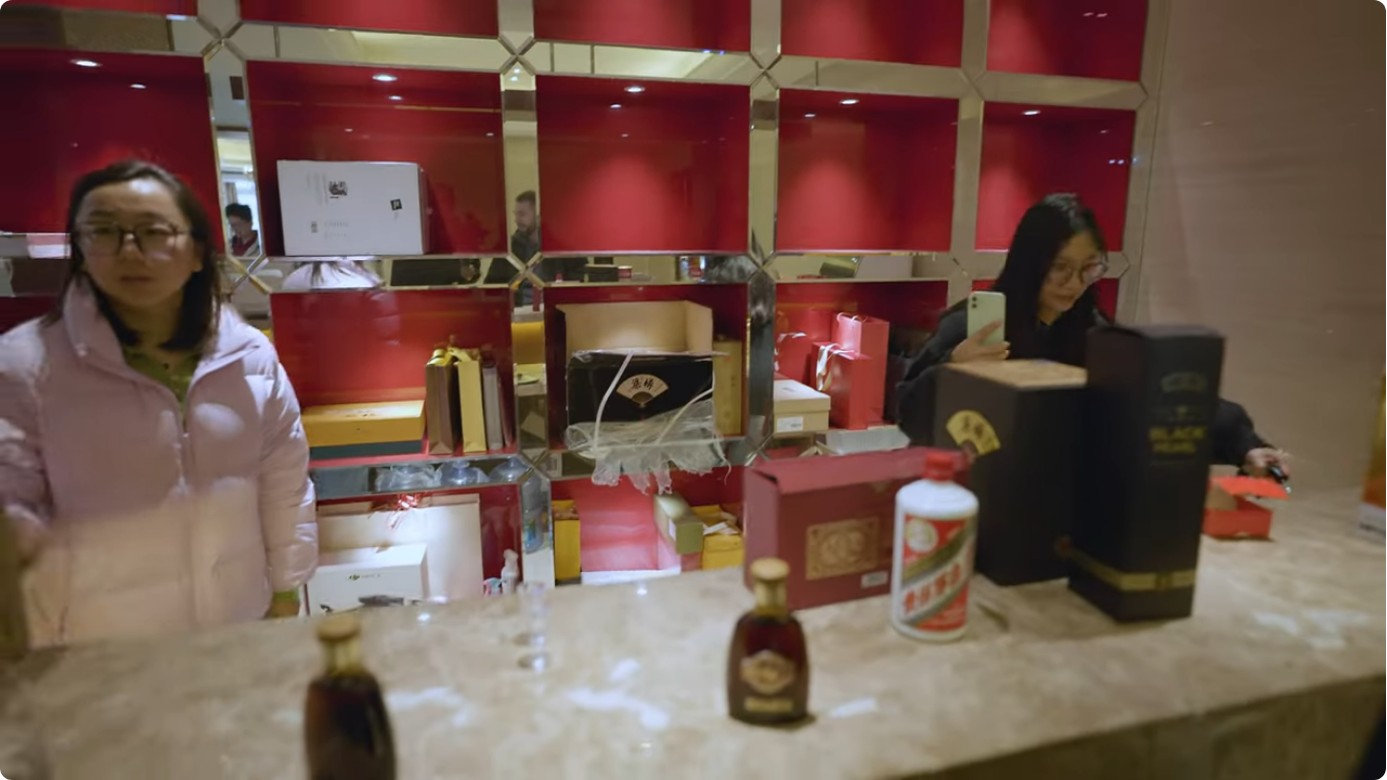
Helpful tip: Why Are Jerseys So Expensive? A Manufacturing & Sourcing Breakdown
- Fabric Source &>Certification: “100% Supima® cotton, ring-spun, 30/1 yarn, 200 GSM jersey,” or “ELS Pima cotton, Peru origin, with certificate of origin.” Do not just say “Pima cotton.”
- Garment Construction: Specify needle type (e.g., “coverstitch for hems”), stitch density ( SPI – stitches per inch), and seam type (e.g., “flatlock seams for comfort”).
- Trims &>Finishing: Detail the exact tape, labels (woven vs. printed, materials), and thread type. Pima’s smooth surface can highlight even minor inconsistencies in trim quality.
- Wash/Finish: Will the garment be garment-dyed, enzyme-washed, or left raw? Each process interacts differently with Pima’s fiber structure. Garment-dyeing, for instance, produces a unique, lived-in softness but requires precise dyeing techniques to avoid uneven color.
Understanding MOQs and Sampling
Minimum Order Quantities (MOQ) for premium Pima cotton tees are typically higher than for standard cotton due to the fabric’s cost and the need for dedicated yarn sourcing. Expect MOQs to start at 500-1,000 units per style/color for cut-and-sew production, potentially lower for standard blank styles if the factory has Pima in stock.
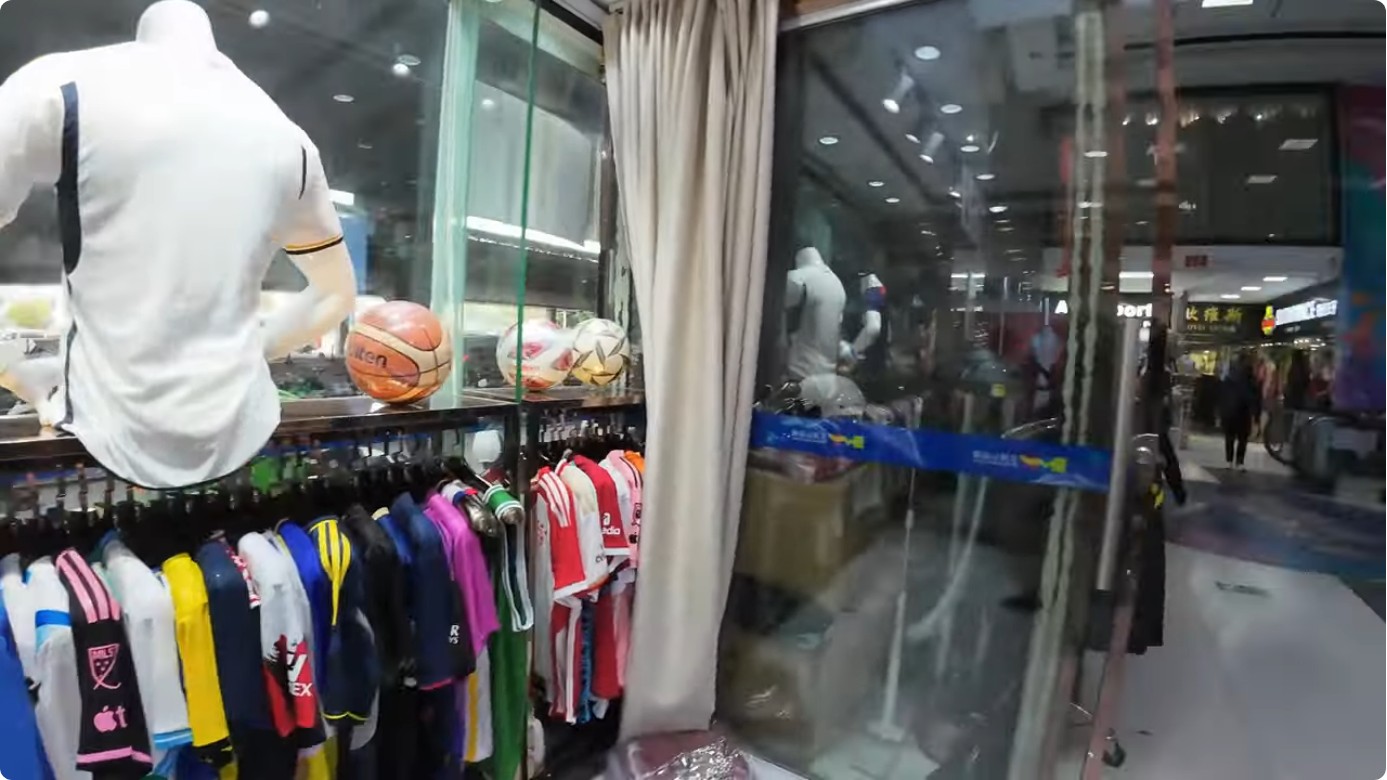
Sampling is non-negotiable. Always approve a pre-production (PP) sample that uses the exact certified fabric and construction you’ve specified. This sample is your final quality checkpoint. Budget for 2-3 sampling rounds to perfect details like collar roll, sleeve length, and print placement on the fabric’s unique surface.
Navigating Trade-offs: Making the Right Sourcing Decision
Choosing Pima cotton involves balancing several factors. Consider this decision framework:
- Cost vs. Perceived Value: The higher fabric cost must be justified by your retail price. Can your market bear a 30-50% higher cost-of-goods-sold (COGS) for the enhanced comfort and quality? If not, a high-quality standard cotton or a cotton/poly blend may be the correct business decision.
- Performance Requirements: For high-intensity, sweat-heavy activities, a synthetic performance fabric will outperform any cotton. Pima’s role is in the “premium comfort” and “durable everyday” segments, not as a technical sweat-wicking fabric.
- Supply Chain Complexity: Sourcing certified Pima yarn and fabric can involve longer lead times than standard cotton, especially if specific certifications or origins are required. Factor this into your production calendar.
- Brand Storytelling: Can you effectively communicate the benefits of Pima cotton to your customer? The sourcing story—”Supima® certified,” “extra-long staple for superior softness”—is a powerful marketing tool that can justify the premium.
Common Questions When Ordering Pima Cotton Tees Wholesale
Q: Can I get a lower MOQ if I choose fewer colors?
A: Possibly. Color changes often require re-dyeing fabric, which increases cost and MOQ. Using a factory’s stock Pima fabric in available colors can reduce MOQs significantly, but limits your color palette.
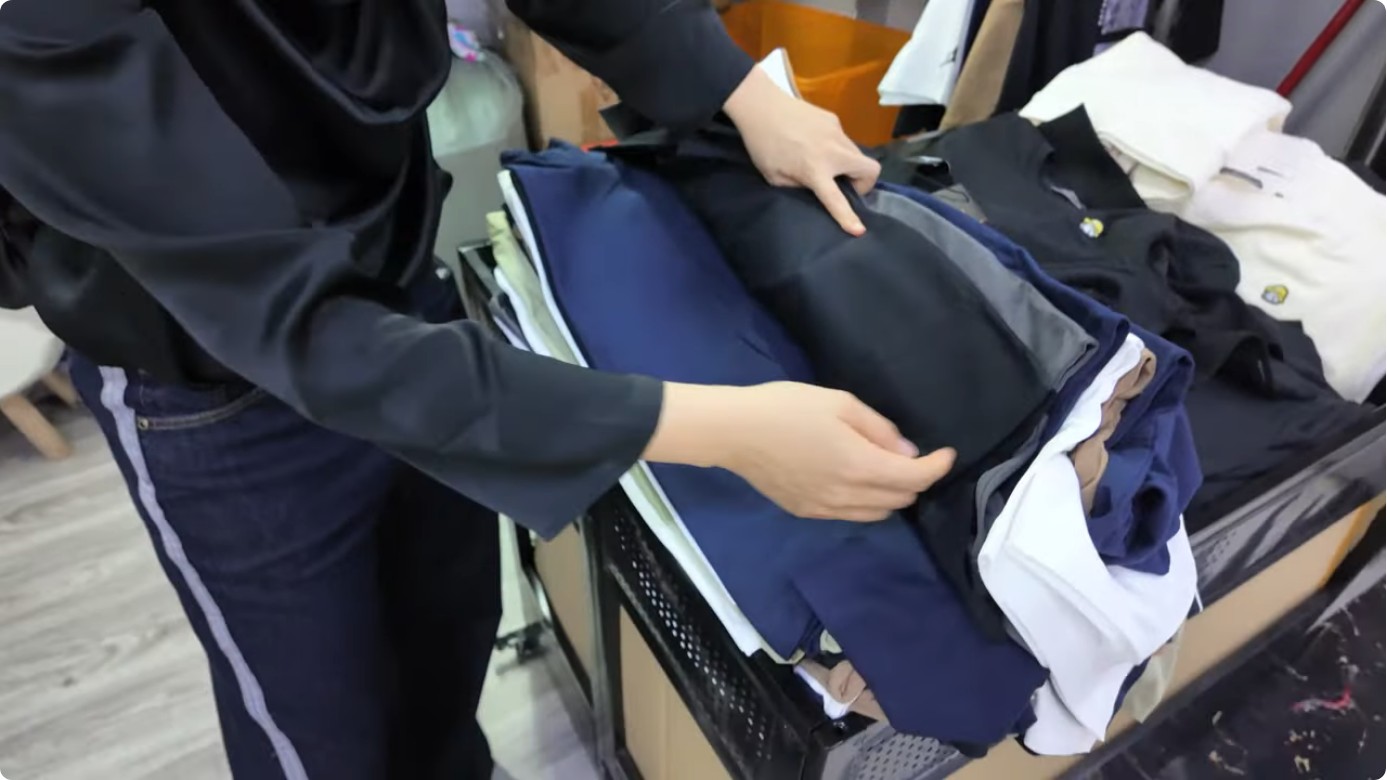
Q: How do I ensure the print or embroidery won’t damage the delicate fabric?
A: This is a key production question. Specify your decoration method early. For screen printing, request a low-cure, water-based or discharge ink which is softer and less likely to crack. For embroidery, ensure the backing used is appropriate for knit fabrics to avoid stiffness and pulling. A good factory will advise on the optimal technique for Pima’s smooth surface.
Q: What’s the biggest quality pitfall to avoid?
A: Substitution. The most common issue is a factory using a lower-grade, shorter-staple cotton and labeling it “Pima.” This erodes the very reason you chose the fiber. Your certification requirement and fabric swatch approval are your only protections against this.
If you’re looking to source or customize any of the styles mentioned above, our factory offers low MOQ OEM/ODM production with full sampling support. Get a free quote today.