
If you’ve ever shopped for a premium athletic jersey—whether for a sports team, a fashion brand, or personal wear—the price tag can be a shock. A single jersey can cost two, three, or even ten times more than a basic cotton t-shirt. This isn’t just marketing markup; the cost is rooted in material science, complex construction, and the specific demands of performance and customization. For wholesale buyers, brand owners, and team managers, understanding these drivers is essential for budgeting, sourcing, and setting realistic price points for your customers.
This article dissects the true cost structure of a jersey from a factory floor perspective. We’ll move beyond “brand name” explanations to explore the tangible factors that dictate price: advanced fabrics, engineered construction, regulatory compliance, and the economics of custom production. Whether you’re issuing an RFQ or designing a collection, this breakdown will help you ask the right questions and identify where value—and cost—is actually created.
- Advanced Fabrics: Performance knits with moisture-wicking, antimicrobial, or four-way stretch properties are significantly more expensive than basic jersey cotton.
- Complex Construction: Multiple panels, flatlock seams, reinforced stress points, and engineered fits require more cutting time, specialized sewing machines, and skilled labor.
- Brand Licensing & Authenticity: Official league/team jerseys include massive royalty fees and strict quality/authentication protocols.
- Customization Overhead: Sublimation, tackle twill embroidery, and heat transfers for names/numbers add material costs, machine setup time, and labor.
- Scale & Compliance: Smaller custom orders lack economies of scale. Testing for standards (e.g., Oeko-Tex, ASTM) and ethical certifications add fixed costs.
What Exactly Is a “Jersey” in Modern Sportswear?
The term “jersey” has evolved. Historically, it referred to a knitted fabric. Today, in a sportswear context, it almost always means a performance top designed for athletic activity, typically worn as part of a uniform. This distinguishes it from a casual “jersey knit” t-shirt. Key characteristics include:
- Fabric: Usually a lightweight, synthetic knit (polyester, often recycled) engineered for moisture management, breathability, and/or stretch.
- Fit: Athletic or performance fit—tailored for movement, not slouch. This involves pattern engineering with raglan sleeves, side panels, and articulated cuts.
- Durability: Built to withstand repeated washing, physical stress, and outdoor exposure.
For a B2B buyer, this definition frames the sourcing conversation. A “jersey” for a marathon team is a different product—and cost structure—than a “jersey” for a streetwear brand using premium cotton jersey knit. Clarity on fabric and function is the first step in accurate costing.
The Core Cost Drivers: From Fiber to Finished Garment
1. The Fabric: Performance Comes at a Premium
The single largest variable in jersey cost is the textile. A 100% cotton jersey knit might cost $1.50-$2.50 per yard at production scale. Compare that to a technical polyester fabric with moisture-wicking, UV protection, and anti-odor treatment, which can range from $4.00 to $12.00+ per yard.
- Fiber Type: Virgin polyester is baseline. Recycled PET (rPET) often carries a 10-30% premium. Nylon and elastane blends (for stretch) are more expensive.
- Fabric Engineering: “Jersey” refers to the knit structure. Within that, you have:
- Single Jersey: Basic, economical. Less stable, can distort.
- Double Jersey (Interlock): Two fabrics knitted together. More stable, better drape, 1.5-2x the cost of single jersey.
- Mesh/Panel Knits: Often used for ventilation zones. Requires more complex knitting and cutting.
- Finishes & Treatments: These are non-negotiable for performance jerseys and add cost at the fabric mill level:
- Moisture-Wicking (Hydrophilic): Chemical or mechanical treatment to pull sweat.
- Antimicrobial (e.g., Silver Ion, Chitosan): Prevents odor-causing bacteria.
- UV Protection (UPF): A tight weave or chemical treatment.
- DWR Coating: Durable Water Repellent for light rain.
Sourcing Implication: Always request fabric swatches and specification sheets from your factory. A good OEM partner will source from mills that can provide test reports (e.g., for wicking efficiency) and certifications like Oeko-Tex Standard 100 for harmful substance safety. The fabric choice locks in a major portion of the garment’s cost before sewing even begins.
2. Construction & Sewing Complexity
A basic t-shirt might have 5-7 pattern pieces and simple seams. A performance jersey can have 15-20+ pieces, each potentially from a different fabric. This explosion in complexity directly impacts labor and machine time.
- Panel Engineering: Side panels for stretch, underarm gussets for mobility, mesh back panels. Each panel is a separate cutting operation and sewing seam.
- Seam Types: Flatlock seams are standard for performance jerseys to reduce bulk and chafing. They require specialized flatlock sewing machines and more operator skill than a standard lockstitch seam.
- Reinforcements: Stress points (shoulders, neckline, placket) often have bar-tacking, twin-needle stitching, or additional tape.
- Hem & Cuff Finishes: Rib knit cuffs and hems (vs. a simple coverstitch) use more fabric and require precise attachment to maintain elasticity.
- Closures & Details: Full-length zippers (with or without draft flaps), snap plackets, internal media pockets with zippers—each adds components and assembly steps.
Production Trade-off: A factory’s capacity for complex construction is a key filter. A shop set up for basic t-shirts will struggle with multi-panel jerseys, leading to higher per-unit costs or quality issues. When sourcing, ask: “Do you have experience with [specific construction detail, e.g., raglan sleeves with underarm mesh]?” and request samples showcasing that technique.
3. The Branding & Customization Multiplier
For most buyers, a jersey isn’t a blank slate. Customization is the core value proposition, and it’s a major cost center.
- Official Licensing (if applicable): For NFL, NBA, or major college team replicas, the royalty fee alone can exceed the garment’s base cost. This is a non-negotiable license fee paid to the league/team, which the manufacturer passes on. It explains the $150+ price tag for an authentic on-field jersey. The factory must also be an authorized licensee, adding another layer of compliance.
- Decoration Techniques:
- Sublimation: The gold standard for all-over, fade-proof designs. Cost is in the digital printing process (often outsourced to a specialized sub-contractor), transfer paper, and the heat press setup. Complex full-body prints cost more than a chest logo.
- Tackle Twill: The classic stitched-on name/number. Involves cutting twill letters/numbers, embroidering or sewing them on (often with a chain stitch), and then applying stabilizing tape. Highly durable but labor-intensive.
- Heat Transfer Vinyl (HTV): More economical for short runs but less durable than twill. Can crack or peel with heavy use.
- Direct-to-Garment (DTG): Good for detailed, full-color logos on light fabrics. Less effective on dark or performance fabrics without special pretreatment. Cost-effective for small batches.
- Setup & Run Fees: Every custom element has a setup cost. A new screen for screen printing, a new embroidery program for a team name, or a new sublimation pattern layout. These are amortized over the order quantity (MOQ). A 50-piece custom order will have a much higher per-piece decoration cost than a 5,000-piece order.
| Factor | Standard Blank Jersey | Fully Customized Jersey (e.g., Team Uniform) |
|---|---|---|
| Fabric | Basic polyester knit, minimal treatment | Performance fabric (wicking, anti-odor, potentially recycled) |
| Construction | Flatlock seams; 15+ panels with different fabrics; reinforced stress points | |
| Primary Cost | Fabric + basic sewing labor | Fabric + complex sewing labor + decoration setup & run costs |
| MOQ Impact | Low MOQ (e.g., 100) feasible, cost per unit drops quickly with volume | High MOQs (often 50-100+ per design/size) to amortize high decoration setup fees. Per-unit cost is highly sensitive to total quantity. |
Scale, Compliance, and The Hidden Costs
Even with identical specs, the final price depends on production context.
- Order Volume (MOQ): This is the most direct lever. A factory’s cost structure includes fixed setup time (pattern making, machine calibration, first-article inspection). Spreading this over 500 units vs. 50 units dramatically changes the unit price. For custom jerseys, expect MOQs of 50-100 pieces per style/color as a common floor for economical production. Very small runs (sub-50) are typically handled by digital print-on-demand services, not traditional OEM factories, and have a different cost model.
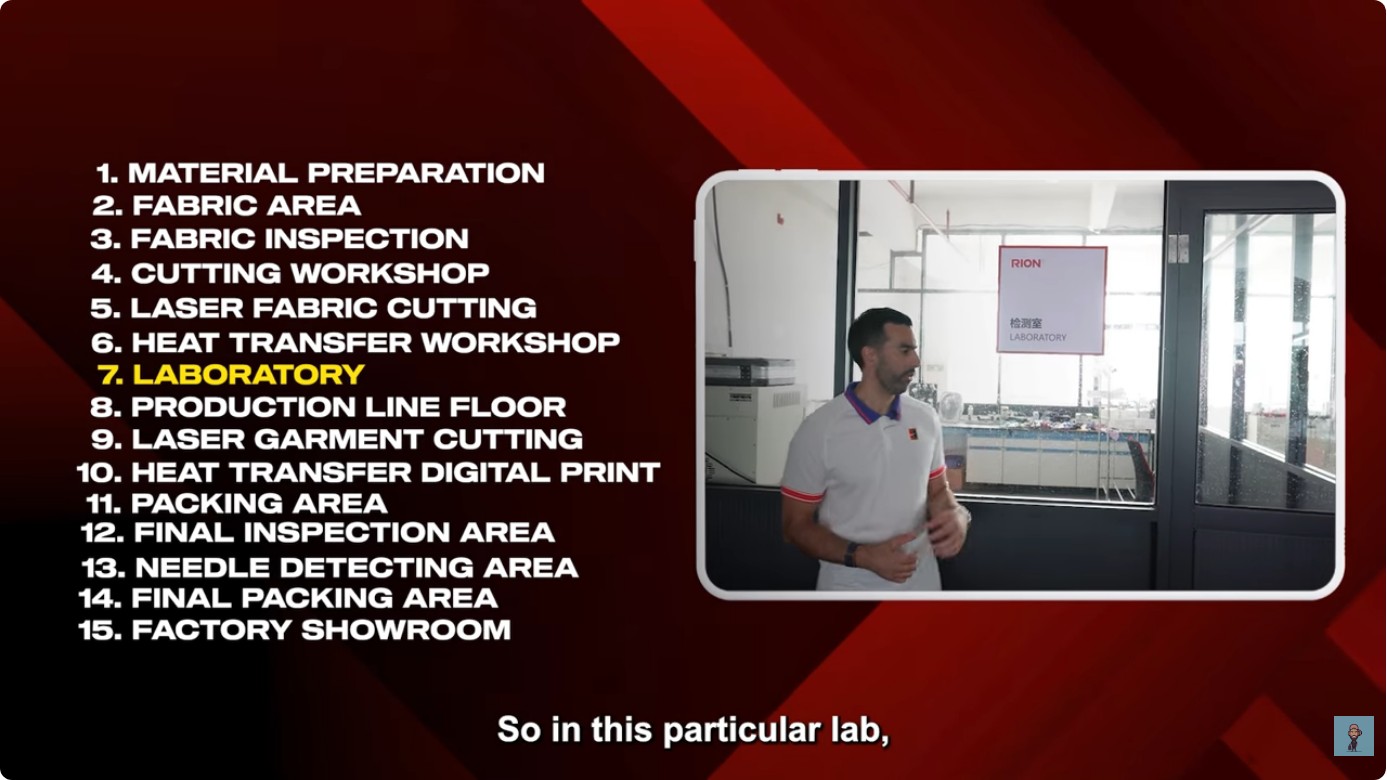
- Quality Standards & Testing: Professional sportswear is subject to performance and safety standards. ASTM International and ISO have standards for things like flammability, seam strength, and colorfastness. A factory supplying to major brands or teams will conduct in-house and third-party lab testing. These reports cost $500-$2,000+ per test and are factored into pricing.
- Ethical & Environmental Certifications: WRAP, BSCI, or Fair Trade certification audits are expensive annual commitments for a factory. If your brand requires certified ethical manufacturing, the supplier’s base rate will reflect their certification status.
- Logistics & Packaging: Individual polybags with hangtags, polybag printing, and specialized carton packing for team shipments add material and labor costs. Bulk shipping vs. small parcel logistics also creates a scale divide.
Key Questions to Ask Your Factory (A Sourcing Checklist)
To get an accurate quote and avoid costly surprises, communicate these points clearly:
- Fabric Specs: Can you provide the exact fabric composition, GSM (grams per square meter), and knit type? Can you share the mill’s name and test reports for wicking/UPF/antimicrobial properties?
- Construction Details: Please specify seam types (flatlock?), number of panels, and any special reinforcements (e.g., bar-tack at placket). Can you provide a tech pack or sample for reference?
- Decoration Plan: List every custom element: logo placement (chest, sleeve, back yoke), name/number style and location, any all-over sublimation. Specify technique (sublimation, tackle twill, DTG) for each.
- Order Breakdown: Provide the full size run (e.g., 20 S, 30 M, 25 L, 15 XL) and total quantity per design/color. Is this a single-color order or multiple colorways?
- Compliance Requirements: Do you need specific safety certifications (e.g., CPSIA for youth), ethical factory certification, or fabric certifications (Oeko-Tex)?
- Sample Approval Process: How many sample revisions are included? What is the cost and lead time for an approved pre-production sample?
Bottom Line: What You’re Paying For
A jersey’s price is a direct reflection of its intended use. A $15 jersey is likely a basic, loosely fitted polyester tee with a simple screen print, made in large volumes with minimal regulatory concerns. A $75 jersey is a performance-engineered garment with a multi-panel construction, advanced fabric treatments, precise custom decoration, and produced in a facility that meets international quality and ethical standards—all spread over a perhaps modest order size.
For buyers, the goal isn’t to find the cheapest jersey, but to identify the appropriate cost-to-value ratio for your specific end-use. A recreational intramural league prioritizes durability and clear numbering. A premium fashion brand prioritizes fabric hand, drape, and print vibrancy. A professional sports team prioritizes exact replication of on-field specifications and league compliance.
Common Follow-Up Questions
Q: Can I reduce costs without sacrificing quality?
A: Yes, by optimizing design for production. Simplify the number of fabric panels and colors. Choose screen printing over tackle twill for large logos if durability needs are moderate. Standardize on one or two fabric bases across your line to leverage volume discounts. Consolidate orders into larger, less frequent batches.

Q: What’s the biggest mistake buyers make when sourcing jerseys?
A: Underestimating the cost and lead time of customization. Providing a vague tech pack or changing the design after sample approval can add thousands in re-setup fees. Another mistake is focusing solely on the lowest FOB (Free on Board) price without accounting for the factory’s capability. A cheap quote from a factory inexperienced in performance wear often results in poor seam quality, fabric mismatches, and delivery delays that destroy your timeline and budget.
Q: How long should production take?
A: For a custom order (fabric sourcing, cutting, sewing, decoration), a realistic lead time is 8-14 weeks after tech pack approval and fabric confirmation. This does not include international freight or customs clearance. Always build in buffer time, especially for peak season (Q2 for summer sports, Q4 for winter/holiday).
Need custom versions of any style covered here? Our sportswear factory handles everything from tech pack review to bulk delivery. Request a sample or quote.