
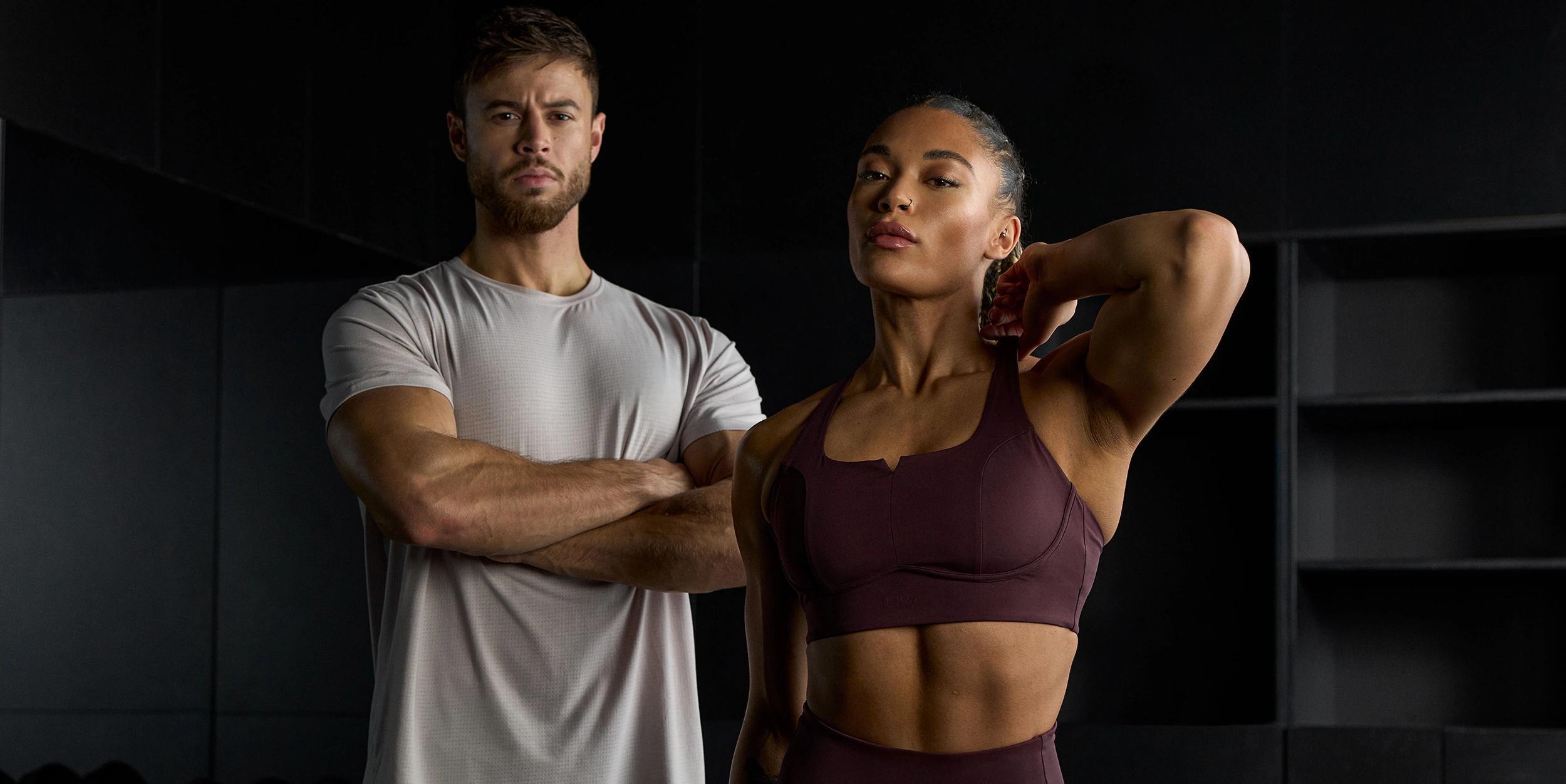
Custom Gym Wear Manufacturer — Leggings, Tees, Bras & Hoodies
OEM & ODM gym apparel for fitness brands, gyms, boutique studios and retailers in 30 countries. In-house knitting, cut-and-sew, sublimation and QC — from sketch or tech pack to labelled, packed cartons.
Fexwear is a custom gym wear manufacturer producing OEM and ODM leggings, gym shorts, performance tees, sports bras, crop tops, hoodies and socks for brands, gyms, boutique studios and retailers in 30 countries. Founded in 2010, we run our own in-house knitting, cut-and-sew, sublimation and quality-control lines, and we take a gym programme from a rough sketch or a finished tech pack all the way through to labelled, packed cartons — with minimum order quantities starting at 10 pieces.
Gym wear is one of the least forgiving categories in custom activewear. A legging is stretched, twisted and scrubbed against skin for an hour at a time. A sports bra has to hold support through thousands of load cycles without the strap digging in or the cup losing shape. A performance tee has to survive being washed fifty times a week in a commercial dryer. Get the fabric or the fit wrong and the garment comes off the rotation cycle within a season — which is bad for the athlete and worse for the brand that put its name on it.
This guide covers what we actually run: the product families, the fabric constructions behind them, the decoration and construction decisions that survive real training, minimum order quantities and pricing logic, private label packaging, quality control, and the questions buyers ask most. It is written for people who have to make a buying decision, not for people browsing.
Custom Gym Apparel We Manufacture
Four core product families, all produced in-house with your artwork, colours and labels.
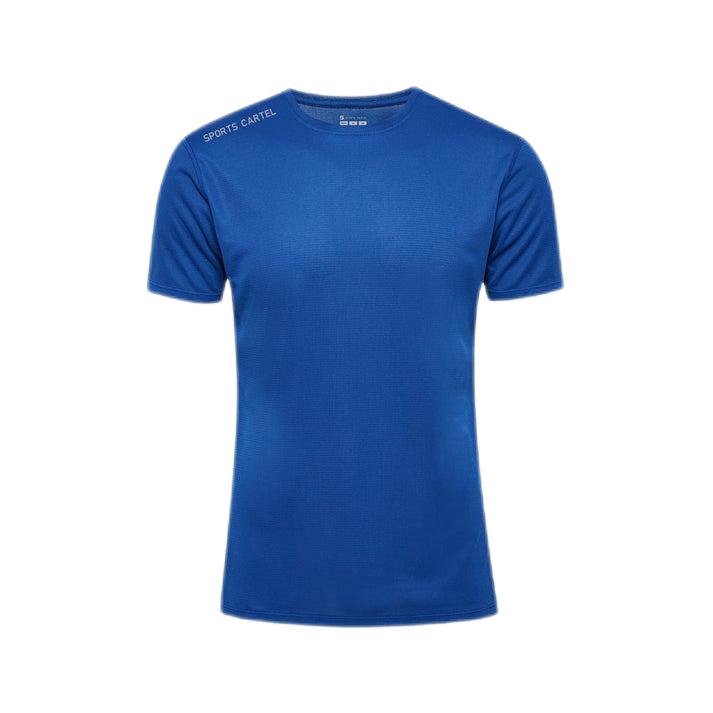
Gym Tees & Sweatshirts
Performance-driven t-shirts, long sleeves, crop tops, tanks and hoodies in moisture-wicking knits. Set-in shoulder construction, taped neck and shoulder seams, and a body that holds its shape through repeated washing.
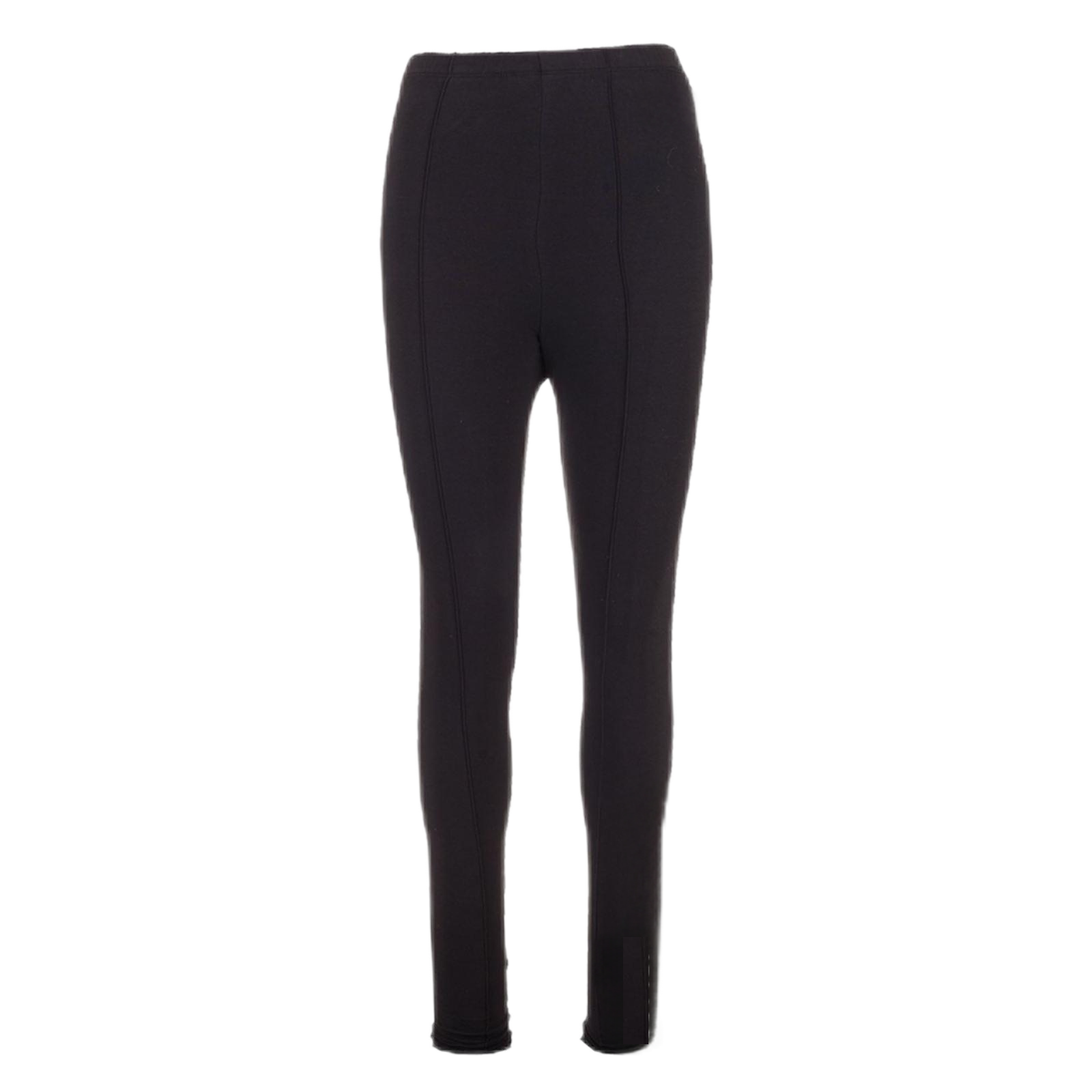
Gym Leggings & Shorts
Full-length leggings, bike shorts, 5-inch and 7-inch shorts, and skorts. Second-skin constructions with 25-30% elastane for recovery, four-way stretch, and waistbands that stay put through inverted poses.
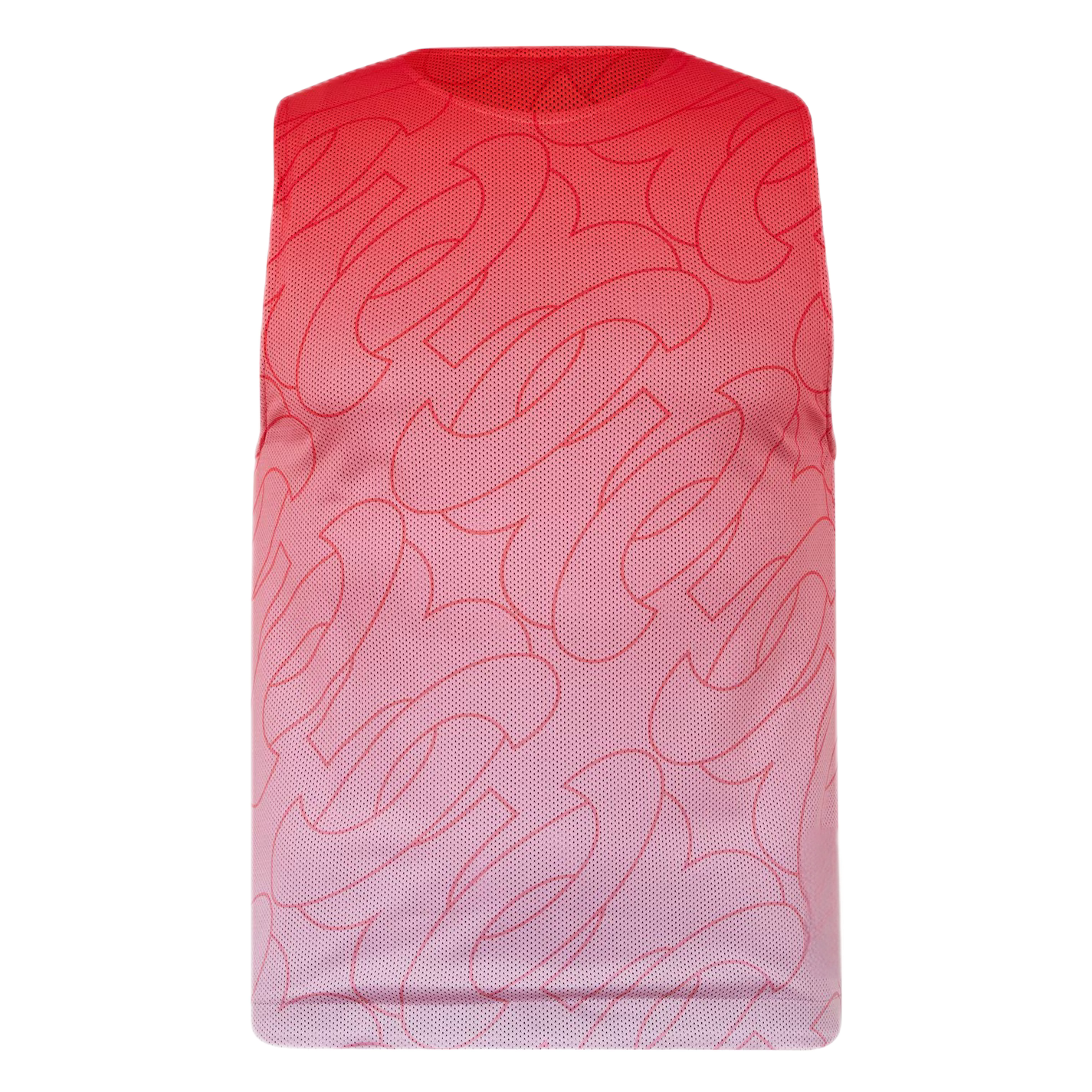
Crop Tops & Vests
Cropped tees, sports vests, racerbacks and open-back tanks. Built on the same blocked patterns as our leggings so crop and full-length pieces in the same drop actually match at the waist.

Sports Bras & Socks
High, mid and light support sports bras with moulded or removable cups, plus cushioned workout socks with arch support. Elastic and thread tested for recovery after fifty-plus wash cycles.
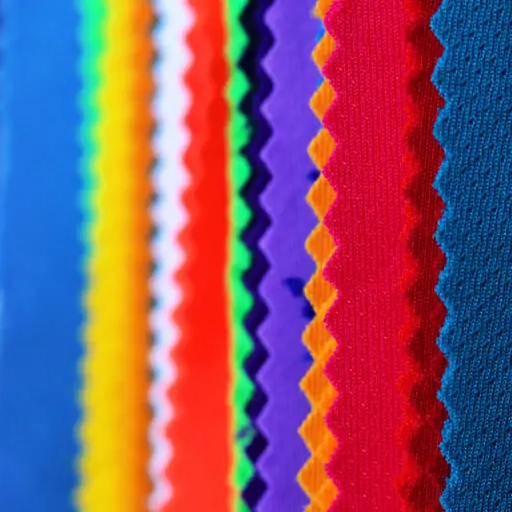
Performance fabrics
Moisture-wicking, quick-dry, four-way stretch knits with antibacterial and anti-odour finishes, chosen for recovery rather than just hand feel.
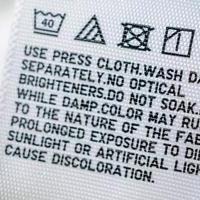
Customized labels
Heat-transfer woven labels, sublimated tags, screen-printed neck prints and size tabs, produced in-house so label MOQs do not stall your launch.
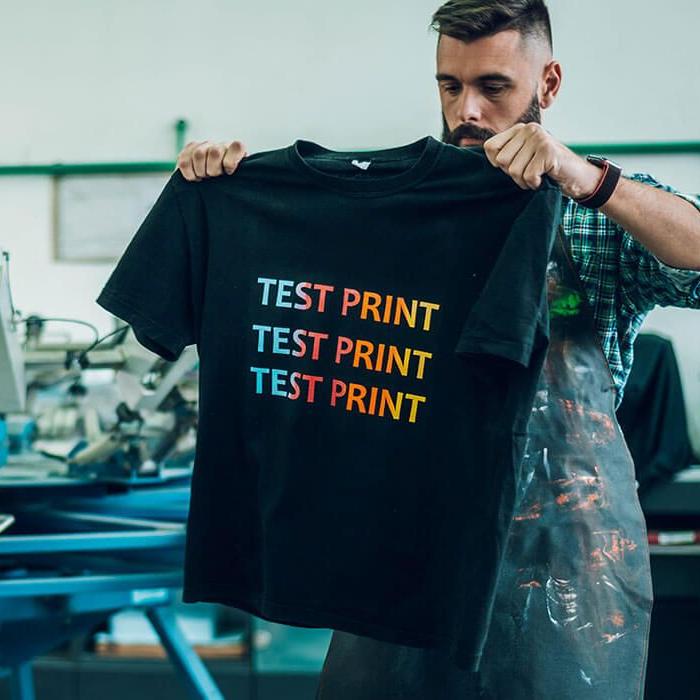
Print methods
Screen printing for texture and opacity, sublimation for photographic panels and all-over prints, and heat transfer for small runs of complex artwork.
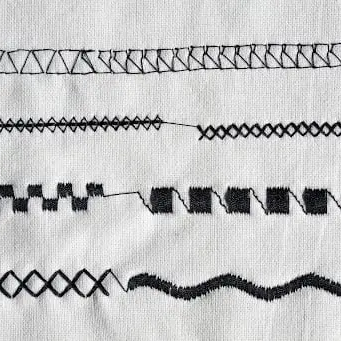
Stitching methods
Flatlock seams, coverstitch, overlock and reinforced bar tacks on high-stress points, specified so the garment survives stretch cycles instead of just surviving the sample.
Gym Fabric Specifications: Weight, Composition and Performance
Legging fabrics: stretch, recovery and opacity
Nylon-spandex (Nylon 82 / Elastane 18)
The default for premium leggings. Nylon recovers better than polyester and has a softer, more premium hand, at a higher cost. The elastane percentage is where the elastane versus nylon trade-off shows up in practice: above about 20% the fabric gets grippy and matte but loses some recovery over time, below 15% it feels slick initially and bags out faster. 18% is the balance most of our legging clients settle on.
Polyester-spandex (Polyester 78 / Elastane 22)
The workhorse. Cheaper than nylon, more available in any specified colour, and easy to source recycled versions of. If your brand is price-led or doing a first production run, this is the right default. Full details on fabric types for custom sportswear are worth a read before you commit.
Brushed and scrunched finishes
Brushed-back fleece and Italian-style scrunched texture both hide sweat better and feel more premium on camera. Brushing reduces the fabric’s breathability slightly, so it works better for studio-to-street pieces than for high-intensity cardio. Scrunched texture hides waistband and seam lines, which is why it is popular for shapewear-adjacent pieces.
Performance tees and hoodies
Recycled poly interlock
Interlock is stable, smooth and resists curling, which makes it the right choice for all-over sublimation because the print sits flat without distortion. 140 gsm works for fitted crops; 180–190 gsm works for looser training tees and has better opacity under sweat.
Spandex cotton blends
Cotton-poly-spandex blends feel good but pill at high-stress points like the shoulder and cuff, and cotton absorbs sweat rather than wicking it. If you are building a performance line, keep cotton content low. If you are building a lifestyle line that happens to be worn to the gym, blends are fine — just be honest about which one you are making.
French terry and loopback
Loopback terry at 280–320 gsm gives a premium hoodie weight that holds its shape. Our fabric selection guide covers how to specify terry, fleece and brushed-back options without over-ordering on the wrong weight.
Sports bra constructions
Finishes worth specifying
Moisture-wicking finish
A hydrophilic treatment that pulls sweat into the fabric instead of leaving it on the surface. Specify it on tees and leggings; it is close to standard but not universal.
Antibacterial / anti-odour
A silver-zinc or quaternary finish that survives roughly 30 to 50 washes before needing renewal. Ask what the wash count actually is, not just that the feature exists.
UV protection
UPF 40+ where the product is for outdoor or open-air studio use.
Environmentally certified fibres
Recycled polyester (rPET), recycled nylon, or bio-based elastane. We hold BSCI, WRAP, SEDEX and SMETA for ethical labour and social audit, OEKO-TEX for material safety, and ISO-based quality management. If a buyer needs documented sustainability credentials for retail compliance, ask which certificate covers which fabric — not all of them cover recycled content.
Construction & Decoration Details
Waistbands
A waistband is a small piece of engineering. Specify the construction, not just the width: a single-layer fold-back waistband with flatlock topstitch, a two-layer bonded band with silicone gripper, or a ruched elastic band with internal drawcord. For high-rise leggings we typically recommend two-layer construction with silicone gripper dots or stripes inside, because a folded single layer will roll under load in squats and lunges.
Crotch gusset
Any legging intended for squats, lunges or yoga should have a gusset. An un-gusseted diamond or contoured gusset in a contrast colour is the standard; it prevents the seam from sitting exactly where the garment takes the most stress. This is one of those small specs that separates a legging that lasts a season from one that lasts a year.
Flatlock seams
Coverstitched flatlock seams sit flat against the skin and eliminate the ridge a normal overlock leaves — which matters enormously for leggings, bras and crop tops worn against skin under sweat. The technique is slower and more expensive than overlocking, and it is the single clearest quality signal between a good legging and a cheap one. Sewing stitch guides explain the options in more detail.
Silicone grippers and hem grippers
Silicone gripper tape or dots inside the hem and at the waistband keep garments from riding up in forward motion. The common failure is using a low-tack tape that survives two washes. Specify the tape grade, and we will quote the version that survives the wash count you actually need.
Printing methods compared
- Best for
- Solid-colour logos, text and high-opacity graphics
- Why
- Plastisol inks hold their hand and opacity, and the per-unit cost drops sharply above a few hundred pieces
- Limit
- Cannot reproduce photographic gradients without looking flat
- Best for
- All-over prints, photographic panels and gradient-heavy graphics
- Why
- Ink bonds with the fabric under heat and pressure, so it becomes part of the garment rather than sitting on top — will not crack or peel, feels soft to the touch
- Limit
- Requires polyester-dominant fabric. A full comparison is in our printing methods guide
- Best for
- Small runs of complex artwork, full-colour image on a small quantity
- Why
- No screen setup needed, so it is fast on short runs
- Limit
- Cost per unit is higher than screen printing, so it is a sampling and short-run tool rather than a production method
Branding and trims
Heat-transfer woven labels
A full label printed on a transfer and heat-pressed on, which is our usual route for woven-looking labels at low MOQ.
Sublimated tags
Printed flat labels with unlimited colours and no minimum quantity, stitched at the hem or neck.
Screen-printed neck print
A printed size or brand mark directly on the inside of the neck, low cost and completely standard for retail.
Silicone logo and woven badges
Moulded or woven badges for outerwear and hoodies where branding is the point.
Sizing, Fit and Grading
Build a real tech pack
A tech pack that actually gets sampled first time needs measurement charts, not just garment images. The minimum we need: body measurement chart by size, finished garment measurements, and the intended fit described in words (compression fit, relaxed fit, or standard retail). Our sizing and measurement blueprint walks through building one from scratch.
Choose a fit, then hold to it
Compression fit
Skims the body, high elastane content, usually sized closer to the body. Harder to fit across a wide size range; expect a tighter tolerance.
Standard retail fit
Follows the body with a small ease allowance. The safest choice for first runs and for marketplaces where the size chart is the only thing a buyer sees.
Relaxed / oversize
Deliberate ease through the body, works for hoodies and heavy tees.
Whichever you pick, decide it before sampling and do not drift between fits across a drop. If crop and full-length pieces are in the same delivery, derive both from the same blocked pattern so they match at the waistline.
Grading and size runs
Standard grading follows XS through 3XL with roughly 4–5 cm chest and waist increments, but the right increments for your product depend on the market and the cut. For leggings, size to the waist and hip more aggressively than the chest, because that is where customers feel fit. We can supply a graded size set of your own, or work from your existing block. If you are buying for retail and want a technical approach, start with the grading blueprint.
Stretch and recovery in grading
One detail specific to activewear: a graded pattern must account for the fabric’s stretch. If a size set was developed on a woven fabric and is then cut from a four-way stretch knit, the graded sizes will not behave like the original. Tell the factory the fabric before the pattern is graded, not after.
Quality Control and Compliance
In-line and final inspection
Inspection runs at three points. In-line inspection checks cut panels against the size set as they are laid, which catches grading errors before they become sewn panels. Button-hole and seam checks run during sewing, catching skipped stitches and broken bar tacks. Final inspection is a full AQL pass on the packed cartons, checking measurements, workmanship, labelling and packaging.
Stretch and wash testing
Physical tests
- Stretch recovery test — stretch and release each fabric, measuring residual deformation. Anything above 3% residual is rejected for leggings.
- Burst and tear test — checked on seams and gussets specifically, since those are the highest-risk joinery points.
- Opacity / squat test — light-table test on every pale and mid-tone fabric in the drop.
- Dimensional stability — sample garments are washed and re-measured to confirm shrinkage is within tolerance. This is the test that catches the label that shrinks and the waistband that relaxes.
Colour & packaging
- Colour fastness to wash and sweat — sublimated prints are tested to confirm the ink does not migrate or fade under sweat and detergent.
- Retail-ready packing — we can produce packing folded to size, polybagged, tagged with your size and care labels, and barcoded with GTIN or UPC as required.
- Marketplace specs — if you are selling through a marketplace, tell us the marketplace in the first enquiry; the packaging spec is easier to build in from the start than to retrofit.
Minimum Order Quantity, Pricing and Volume Tiers
MOQ from 10 pieces
Two things routinely push a project above the floor: size ratio and colour count. A style in five sizes with three colourways is fifteen combinations, so the practical minimum is ten pieces in each. If you are testing a new brand, the efficient split is ten pieces of three styles rather than forty of one, because it gives you real retail feedback on three products.
What actually drives unit price
Nylon-spandex at 190 gsm is roughly double the cost of a poly-cotton blend at the same weight, before finishing.
Sublimation of an all-over panel costs meaningfully more than a single-colour screen print, but the per-unit cost falls as coverage rises.
Gussets, flatlock seams, moulded cups, bonded panels and special waistbands each add a setup and a sewing operation.
A five-size run costs more per piece than a two-size run because setup time and the number of panel changes both grow.
A branded woven label adds real cost at low volume; sublimated tags add almost nothing.
Volume tiers
The drop in unit price happens in steps, not smoothly, and the biggest step is usually at a few hundred pieces per style. The wholesale buyer guide covers how buyers structure these tiers and where the real breakpoints fall. The practical advice: get the fabric and fit approved on a sample, then order your first real run in the sizes you actually sell, not in a size set that looks balanced on paper.
Private Label, OEM and ODM
What the private label package includes
If you are producing sports bras and leggings specifically, note that a sports bra and leggings programme has more fit-critical decisions than a tee programme — band sizing, cup volume, and the waistband construction all become part of your product’s identity rather than production details.
ODM versus OEM
You supply the design, fabric specification and artwork; we manufacture to it. This is the right choice when you already have a proven product and want to scale it.
You choose from our existing library of constructions and we adapt them to your brand. Faster and cheaper for a first run, and lower risk if the product is untested, but the fit and fabric are ours rather than yours.
Most first-time gym brands start with ODM to validate demand, then move the winners to OEM once they know what their customer actually keeps buying. If you are coming from yoga apparel, the two categories share pattern logic, and we can often reuse a block across both.
Order Timeline: Enquiry to Delivery
Working backwards from a launch date
We review your design, confirm the fabric, give a costed quote and confirm what can be produced at your quantity.
From sketch to sample: you send artwork or a sketch, we produce a sample for approval. Allow three to five days for a standard sample, longer for a complex one.
Samples come back with your written approval. Fit changes after approval mean a second sample, so it pays to be specific in the first round.
Knitting, cutting, sewing, printing and finishing. Two to four weeks is typical for a moderate order; complex multi-style programmes run longer.
AQL inspection, packaging, and dispatch. Air freight is around a week; sea freight to Europe or the US runs three to five weeks.
Plan on roughly ten to twelve weeks from enquiry to delivery for a standard programme, and add two to three weeks if you are launching into a season with a fixed date. If your date is immovable, tell us in the first conversation — we would rather decline a rushed order than ship something that arrives without time for your own quality check.
Start Your Custom Gym Wear Order
Tell us your style, fabric, quantity and delivery date, and we will come back with a costed quote and an honest read on what is achievable at your volume. We will also tell you if we are not the right fit for the job.
Frequently Asked Questions
What is your minimum order quantity for custom gym wear?
Minimum order quantities start at 10 pieces per style and colour, which makes first runs genuinely small. Remember that MOQ is per design, not per order, so you can run several styles at ten pieces each. Practical minimums rise once you add a five-size run or three colourways, because that is fifteen combinations rather than one.
Are your fabrics squat-proof?
We test every fabric on a light table before production, and we will tell you honestly which fabrics are genuinely squat-proof and which are not. For pale and mid-tones we recommend a skin-white backing behind the garment. We will not label a fabric as squat-proof if it fails the test, and we will show you the swatch before you commit.
Can I mix sizes and colourways within one order?
Yes. You can mix sizes within a colourway and mix colourways within a style. The constraint is that each design-colour combination needs to meet the minimum quantity, so the way to work within a budget is to raise the quantity on one colourway rather than splitting a small order across many.
Do you match Pantone colours?
Yes. We dye to your Pantone reference and check against a physical swatch under daylight viewing, because monitor colour is the most common source of disputes. Saturated and neon shades can shift slightly between dye lots, so for those we recommend a lab dip or a larger colour block before bulk.
What artwork file format do you need?
Vector files — AI, EPS or PDF — give the best results and let us scale artwork to any panel without loss. For sublimation all-over prints, a high-resolution raster file at 300 dpi at final size is acceptable. We will confirm resolution requirements when we see the file, and we can work from a rough sketch if you are early in the process.
How long does sampling take?
Three to five working days for a standard sample. Complex constructions — moulded cups, bonded panels, multi-panel sublimation — take longer because they need separate tooling. Sample cost is credited against your first bulk order.
Can I produce a sample before I commit to a bulk order?
Yes, and we would rather you did. A sample costs a small fraction of what a wrong bulk order costs. Match it against a garment you already own if you have one, and send written feedback on fit, fabric hand and construction so the next round lands in one pass.
Do you offer recycled or sustainable fabric options?
Recycled polyester (rPET), recycled nylon and bio-based elastane options are available on request. If recycled content is part of your brand positioning or a retail buyer requirement, flag it early, because documentation and certification lead times add to the schedule. We hold BSCI, WRAP, SEDEX and SMETA for labour and social audit, OEKO-TEX for material safety, and ISO-based quality management.
Can you ship to our country?
We ship to 30 countries and can arrange both air and sea freight. We produce retail-ready packaging and barcodes where your market requires them. Tell us the destination and your retailer’s requirements in the first enquiry so packaging is built in from the start.
Can I reorder the same kit next season?
Yes, and reorders are the easiest part of the process. If the fabric is stocked or routinely sourced in our in-house production, lead times are predictable and reorders match the original run. We keep your pattern, trims and artwork on file so a reorder does not start from zero. We also hold block patterns and trims so a repeat order lands on the same fit.
Contact Us
|
|