
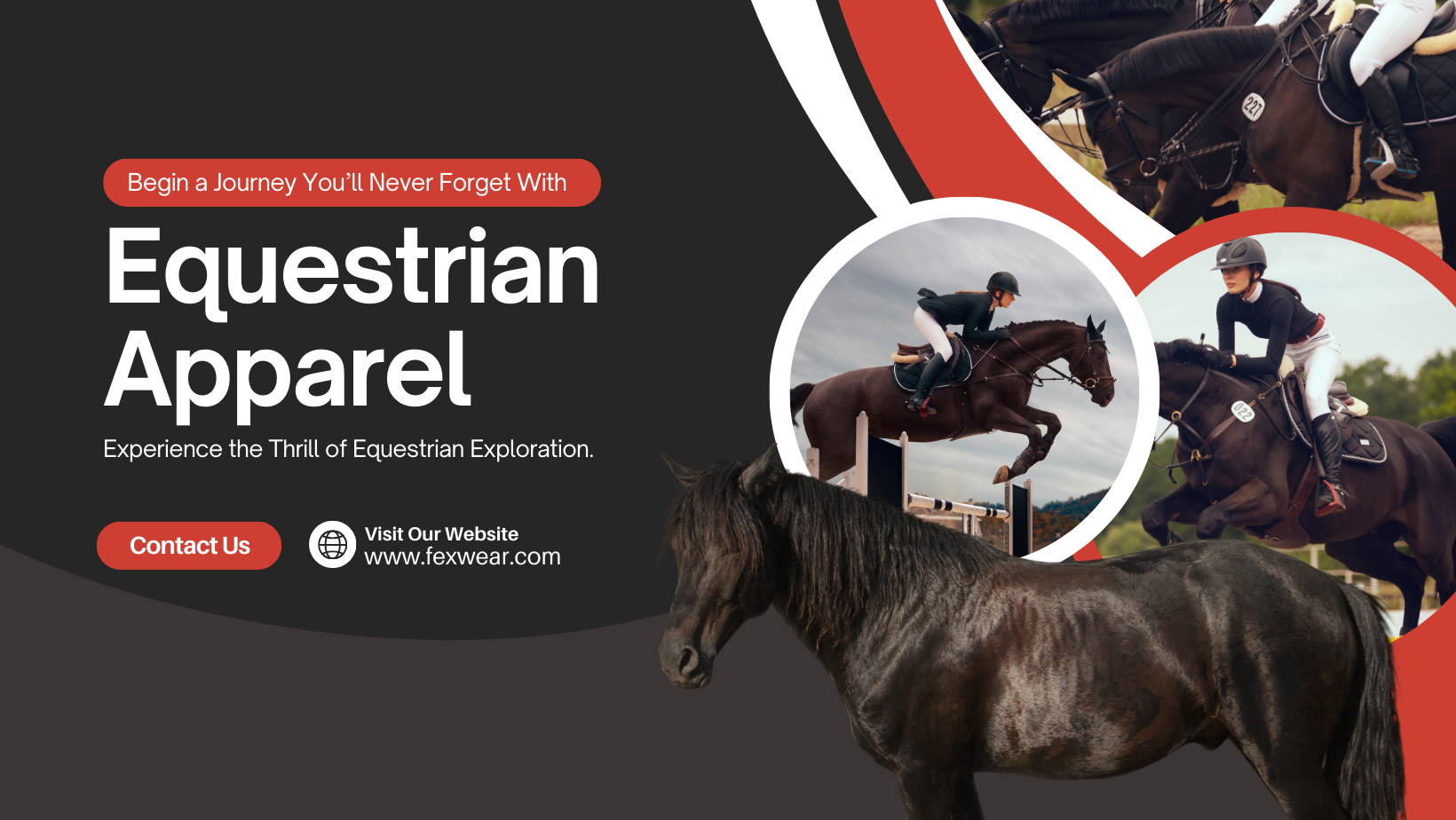
Custom Equestrian Apparel Manufacturer
OEM & ODM equestrian apparel for riding schools, competition teams, barns and equestrian retailers in 30 countries. In-house knitting, cut-and-sew, sublimation and QC — from sketch or tech pack to labelled, packed cartons.
Fexwear is a custom equestrian apparel manufacturer producing OEM and ODM riding shirts, jodhpurs, equestrian jackets and riding gloves for riding schools, competition teams, barns and retailers in 30 countries. Founded in 2010, we run our own in-house knitting, cut-and-sew, sublimation and quality-control lines, and we take an equestrian programme from a rough sketch or a finished tech pack all the way through to labelled, packed cartons — with minimum order quantities starting at 10 pieces.
Equestrian apparel sits at the opposite end of the sportswear spectrum from everything else we make. A performance bib is engineered for maximum function and minimum weight. A jodhpur is engineered to look correct while the rider is posting at a gallop, in a fabric that has to survive being in the saddle for four hours in July. A riding shirt has to pass a dressage test in the morning and still look right at a hunt breakfast in the afternoon. The fit is unforgiving in a way that a gym garment’s is not, because the customer is comparing your jodhpur against a brand they have worn for a decade.
This guide covers what we actually run across the four core families, the fabrics that make competition wear work, the construction details that matter in the saddle, sizing for a rider rather than a mannequin, minimum order quantities, and the questions buyers ask most.
Equestrian Apparel We Manufacture
Four core families, all produced in-house with your artwork, colours and labels.
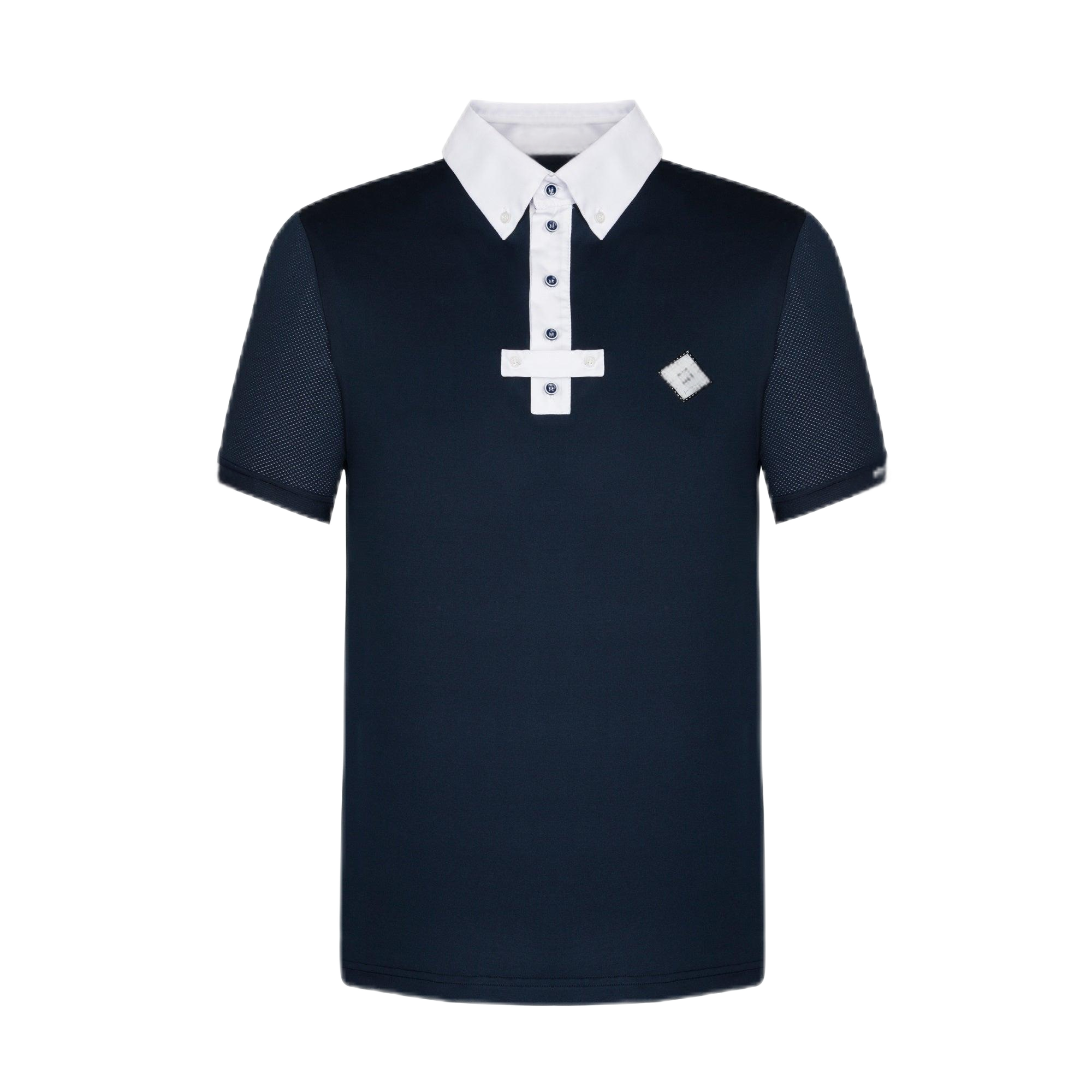
Riding Shirts & Polos
Fexwear’s luxurious competition shirt combines the latest in premium fabrics with classic equestrian styling. Breathable, close-fitting and cut long enough to stay tucked in the saddle, which is the detail most competitors check first.
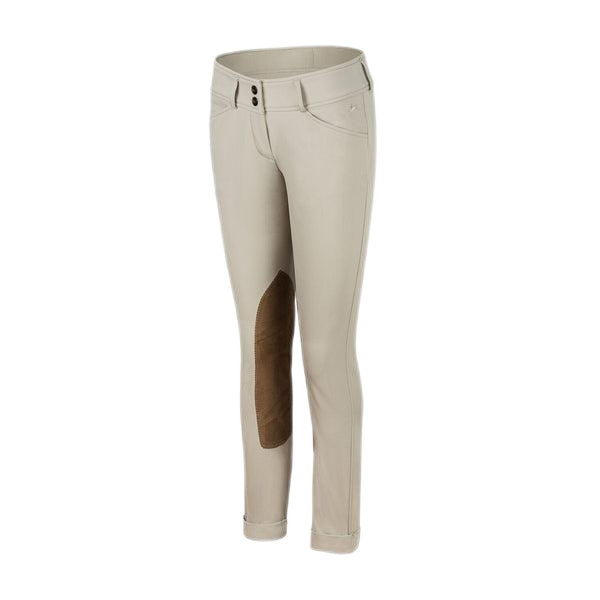
Jodhpurs & Breeches
High-quality soft stretchy jodhpurs made from polyester-spandex, with a full-seat panel and knee grippers. These are the hardest garment in the range to fit correctly, because a rider sits in them for hours.
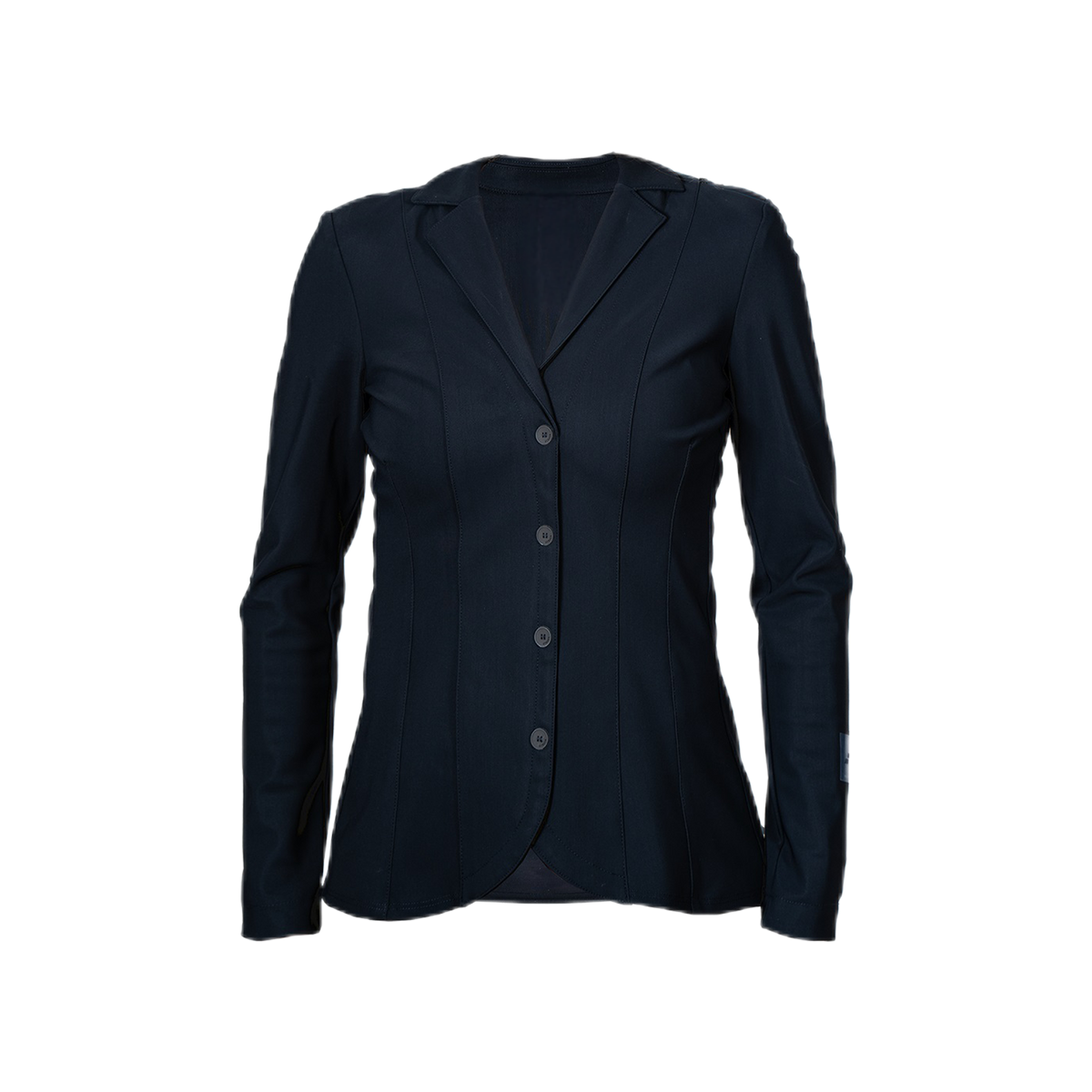
Equestrian Jackets
Jacquard mesh fabric makes this stylish sweatshirt both functional and fashionable, and the side zipper makes it easy to get on over a competition shirt without disturbing your hair or collar.
Riding Gloves & More
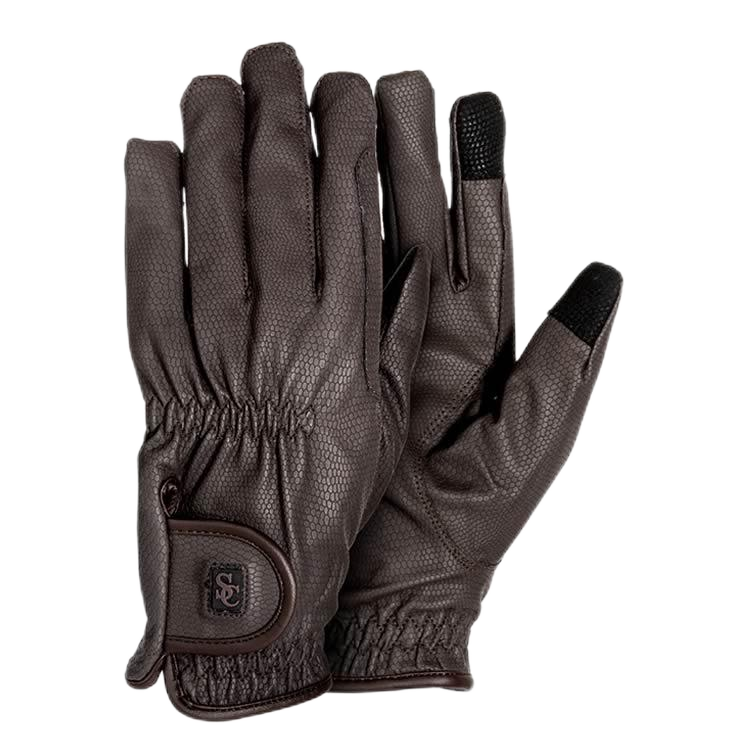
Our riding gloves are made from state-of-the-art Welltex fabric infused with a grip treatment, so the reins stay in your hands wet or dry. We also supply helmets, socks and backpacks.
Functional Fabric
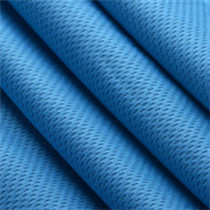
Moisture-wicking, quick-dry, and lightweight fabric ensures maximum comfort during rides. Durable, easy-care and cut for a long day in the saddle.
Print Methods
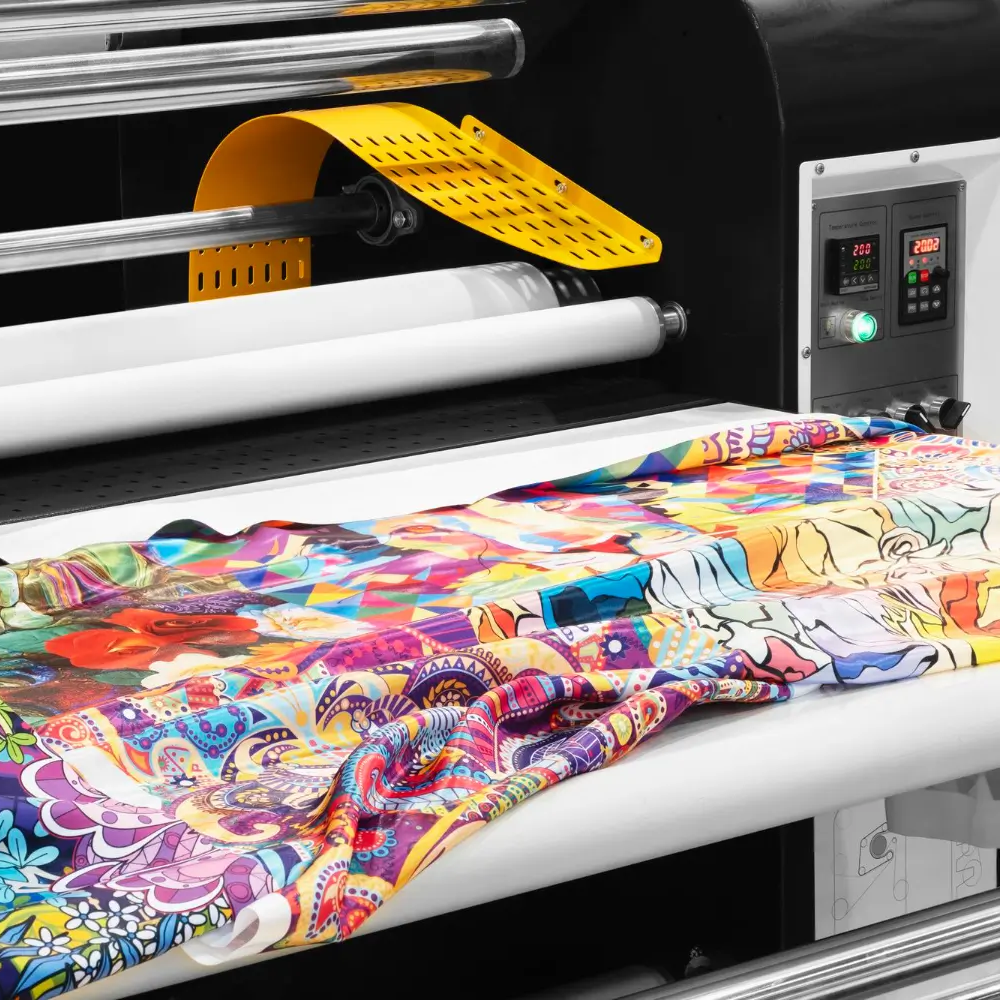
Sublimation delivers vibrant, natural designs, while screen printing creates a textured, premium finish. Both hold up to a season of washing and sun.
Pantone Matching
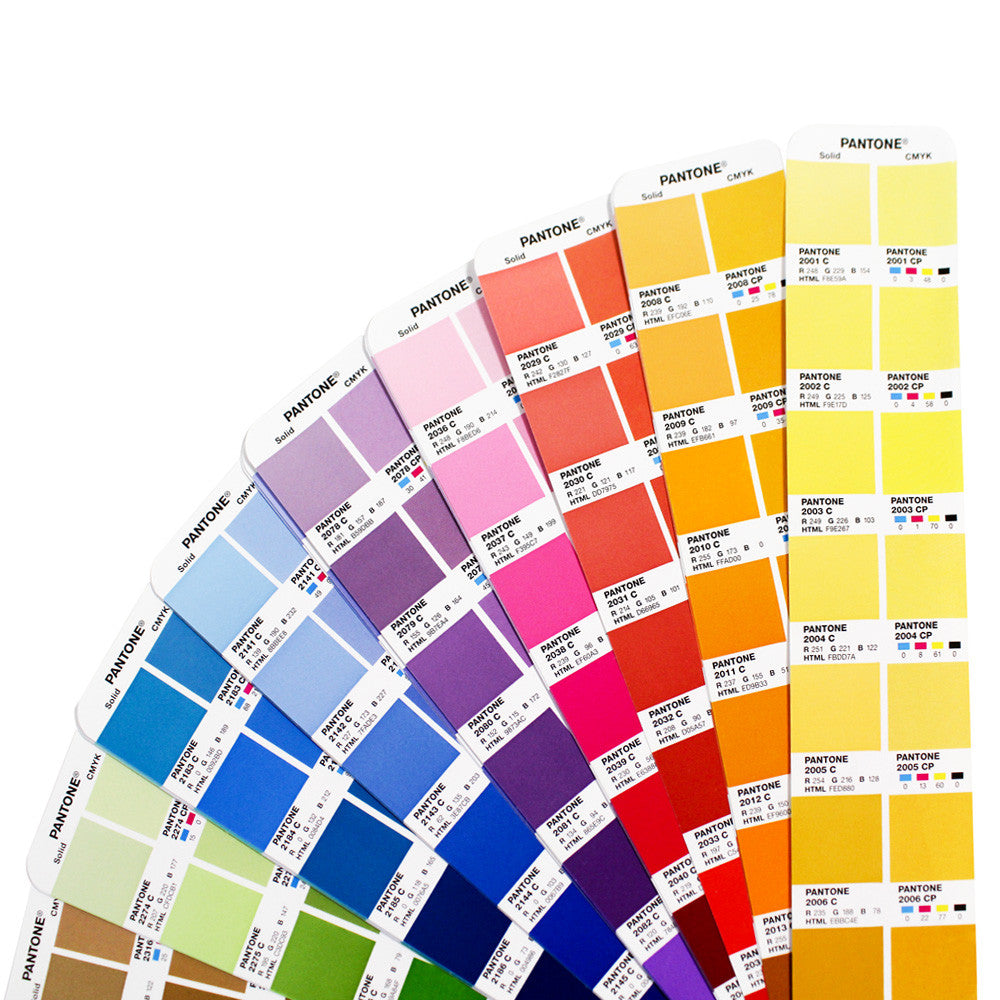
Custom dyeing matches your exact Pantone colors for a personalized look. Perfect for teams or unique barn identities.
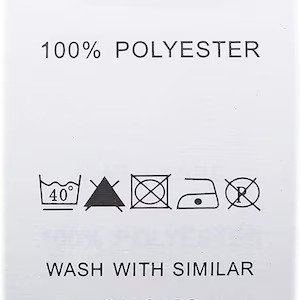
Customized Labels
Add custom size labels, sublimated logos, or woven sew labels for a professional touch. Build your brand identity into every piece.
Equestrian Fabric Specifications by Garment Type
Core equestrian fabrics
Polyester-spandex (Poly 82 / Elastane 18)
High-quality soft stretchy jodhpurs are made from polyester-spandex, and this is the construction that works. The elastane gives enough stretch to ride in, and critically enough recovery to come back to shape after an hour of posting. A jodhpur that bags out at the knee after one ride will not survive a season. The elastane versus nylon trade-off applies here as everywhere: 18% is the balance most of our equestrian clients settle on.
Micro-poly and lightweight piqué
Our competition shirts use lightweight, breathable structures chosen for airflow rather than for hand feel. A riding shirt has to be cool at a walk in September and dry quickly after a schooling session, and a heavier fabric that feels nice in the hand will make the rider overheated by the third fence. Our fabric selection guide covers how to spec these without over-ordering.
Jacquard mesh and structured blends
Jacquard mesh fabric makes a stylish equestrian sweatshirt both functional and fashionable, because the structure holds the jacket’s shape through a season of being put on and taken off. The side zipper is the detail that matters most: it lets a rider get the jacket on over a competition shirt without disturbing the collar they just spent ten minutes arranging. More on how jersey knit is constructed.
Welltex and treated leather-look knits
Our riding gloves are made from state-of-the-art Welltex fabric infused with a grip treatment, so the reins stay in your hands whether they are wet or dry. On a long cross-country course in summer rain, that grip is the difference between a confident rider and a tense one. The rein seam is the second detail worth specifying, because it is the part that wears through first.
Finishes worth specifying
Moisture-wicking
Moisture-wicking, quick-dry, and lightweight fabric ensures maximum comfort during rides. Specify it explicitly on shirts and jodhpurs, because it is close to standard but not universal.
Anti-pilling
Important on fleece-backed jackets and any heavier structure, which is where pilling shows first on the elbow and the shoulder seam.
Anti-bacterial / anti-odour
A silver-zinc or quaternary finish typically survives 30 to 50 washes. Worth considering for a barn where a competition shirt is worn four days a week.
Certified fibres
Recycled polyester (rPET), recycled nylon or bio-based elastane. We hold BSCI, WRAP, SEDEX and SMETA for labour and social audit, OEKO-TEX for material safety, and ISO-based quality management. If a retailer or a sponsor needs documented sustainability credentials, ask which certificate covers which fabric.
Construction & Decoration Details
Jodhpur construction
Our riding jodhpurs are designed around the fact that a rider is seated, not standing. That means a full-seat panel in a contrast or matching colour rather than a diamond gusset, knee grippers or a silicone band at the knee to stop the leg sliding, and a waistband tall enough to stay put under a competition jacket. Flatlock seams sit flat against the skin so a long lesson does not leave a ridge where the inner thigh meets the saddle.
Shirt construction
Competition shirts are cut long in the back so they stay tucked when the rider posts, with a fitted cut through the shoulder so they do not catch on a collar. Specify the back length explicitly — it is the single most common return reason on riding shirts, because a shirt that rides up in the saddle is a competition disqualification, not an aesthetic complaint.
Print methods
- Best for
- Club crests, sponsor logos and all-over collar or sleeve graphics
- Why
- Sublimation delivers vibrant, natural designs with zero hand-feel, so a crest on a fitted shirt does not feel like a patch
- Limit
- Requires polyester-dominant fabric
- Best for
- Solid-colour crests and wordmarks where a premium raised finish is wanted
- Why
- Screen printing creates a textured, premium finish, and the per-unit cost drops sharply above a few hundred pieces
- Limit
- On a fitted shirt, specify a stretch ink so the print does not crack when the fabric moves. Full comparison in our printing methods guide
- Best for
- Club badges on jackets, hats and stable blankets
- Why
- Premium perceived quality and survives everything, including a season of sun and rain on a jacket pocket
- Limit
- On a stretch panel, specify a backing behind the stitch so it does not puck. Our embroidery types guide covers the options
Trims and labels
Add custom size labels, sublimated logos, or woven sew labels for a professional touch. A complete private label programme also covers care labels in your own wording, hangtags, and a branded polybag, so a barn or a competition team receives kit that looks retail-ready rather than like a team order.
Sizing and Fit
Measure on the horse where possible
The measurement that matters for a jodhpur is the inseam taken while the rider is seated, with the leg in a posting position. Taken while standing, the inseam is often three to four centimetres longer than what the garment needs, which produces a jodhpur that is technically the right size and functionally wrong. If the rider can be measured on a horse, do that; if not, tell us the rider’s height and riding style, and we will ask for the measurements that actually predict the fit. Our sizing and measurement blueprint covers what to send us.
Cut options
Fitted / close cut
Skims the body so the fabric and any crest read clearly under a competition jacket. The cut most competition riders want, and the least forgiving to get wrong.
Standard retail fit
Follows the body with a small ease allowance. The right choice for a barn buying for mixed riders, and where the size chart is all the rider sees.
Relaxed
Deliberate ease through the body. Practical for riding school uniforms and for a first pair of jodhpurs, and it hides a grading error better than a fitted cut.
Grading across a team
For a barn or a competition team, the size distribution matters more than the size range. We ask for the actual distribution rather than an even spread across five sizes, because a team of twelve riders almost never needs five sizes, and ordering an even spread means someone ends up with a jodhpur they cannot wear. We can also work from an existing garment you already sell well, which is the most reliable way to get the fit right first time.
Quality Control and Compliance
Stretch, seat and wash testing
Physical tests
- Seat and knee recovery test — stretch, hold, release and measure, focused on the two panels a rider loads hardest.
- Seated opacity test — opacity checked under load across the hips, not just standing.
- Colour fastness to wash, sweat and sun — a competition shirt is washed weekly and exposed to a full season of sun; a colour that holds in a lab rarely holds on a showground.
- Gripper durability — knee grippers and silicone bands tested for the wash count you actually need, because a low-tack gripper that fails after two washes is worse than none.
Packing & delivery
- Individual packing — each piece folded and numbered against a rider list, so a barn can hand out kit in the order people arrive.
- Retail-ready packing — polybagged, tagged with size and care labels, and barcoded with GTIN or UPC where the retailer requires it.
- Accessories in one shipment — helmets, socks and gloves can go in the same carton as the apparel, which matters when a competition date is fixed.
Minimum Order Quantity and Pricing
What actually drives unit price
Nylon-spandex at 190 gsm is roughly double the cost of a poly-cotton blend at the same weight, before finishing. For a jodhpur this is the number that decides whether the garment survives a season, so it is not the place to economise.
A full-seat panel, knee grippers and flatlock seams each add a setup and a sewing operation. A jodhpur with all three costs meaningfully more than a plain legging, and it should.
Sublimated crests scale well with volume. Dense embroidery on a stable jacket does not, because the stitch count is what you are paying for.
A five-size run costs more per piece than a two-size run. For a barn, ordering two or three well-chosen sizes with higher units each is usually cheaper per wearable garment.
Custom size labels and woven sew labels add real cost at low volume; sublimated tags add almost nothing.
Volume tiers
The drop in unit price happens in steps, not smoothly, and the biggest step is usually at a few hundred pieces per style. The wholesale buyer guide covers how buyers structure these tiers and where the real breakpoints fall. Practical advice for equestrian specifically: get the jodhpur fit approved on a real rider before the shirts are even sampled, because the fit risk sits in the bottoms.
Order Timeline: Enquiry to Delivery
Working backwards from a competition date
We review your design, confirm the garment and fabric, give a costed quote, and confirm what is achievable at your size run.
From sketch to sample: you send artwork or a sketch, we produce a sample for approval. For jodhpurs, we ask for the rider to be measured in the saddle position first.
Samples come back with your written approval, ideally tried on by a rider rather than measured on a table. Fit changes after approval mean a second sample.
Knitting, cutting, sewing, printing, gripper application and finishing. Two to four weeks is typical; multi-piece orders with gloves and accessories run slightly longer.
AQL inspection, individual packing against the rider list, and dispatch. Air freight is around a week; sea freight to Europe or the US runs three to five weeks.
Plan on roughly ten to twelve weeks from enquiry to delivery. Competition seasons have fixed dates, so if yours is immovable, tell us in the first conversation — we would rather decline a rushed order than ship something that arrives without time for your own check.
Equestrian Clothing Manufacturer
What we do
- Clothing Design — transform your ideas into professional designs.
- Material Sourcing — access premium-quality fabrics tailored to your needs.
- Sample Making — perfect your designs with precision-crafted samples.
- Bulk Production — seamless and efficient manufacturing for orders of all sizes.
- International Shipping — reliable and hassle-free global delivery.
Why equestrian buyers choose us
- Over 15 years manufacturing sportswear, with MOQ from 10 pieces per style.
- In-house knitting, cut-and-sew, sublimation, embroidery and QC — one supplier, one responsibility.
- We supply 30+ countries, with retail-ready packing and barcoding where a market requires it.
- Our outerwear case study shows the same supply-chain approach applied to a different range.
With Fexwear, you can establish or expand your equestrian line in the USA, UK, Canada, Australia and beyond, and we help bring your vision to life within a few months. Barns and brands that also sell activewear can often share a second block for a leisure line, which lowers development cost per style.
Frequently Asked Questions
What is your minimum order quantity?
Minimum order quantities start at 10 pieces per style and colour, genuinely per design rather than per order, so you can develop several styles at ten pieces each. Practical minimums rise once you add a full size run or several colourways. Sample cost is credited against your first bulk order.
Can you match our colours exactly?
Yes. We dye to your exact Pantone reference and check against a physical swatch under daylight viewing, because monitor colour is the most common source of disputes. Saturated shades can shift slightly between dye lots, so we recommend a lab dip for those.
What artwork file format do you need?
Vector files — AI, EPS or PDF — give the best results. For sublimation all-over prints, a high-resolution raster file at 300 dpi at final size is acceptable. We can work from a rough sketch if you are early in the process.
Can you ship to our country?
We ship to 30 countries and can arrange both air and sea freight. We produce retail-ready packing and barcodes where your market requires them, so tell us your destination in the first enquiry.
Contact Us
|
|