

Custom Cycling Clothing Manufacturer — Jerseys, Jackets & Shorts
OEM & ODM cycling apparel for brands, club teams, event organisers and retailers in 30 countries. In-house sublimation, cut-and-sew and QC — from sketch or tech pack to labelled, packed cartons.
Fexwear is a custom cycling clothing manufacturer producing OEM and ODM bike jerseys, cycling jackets, bib shorts and accessories for brands, club teams, event organisers and retailers in 30 countries. Founded in 2010, we run our own in-house sublimation printing, cut-and-sew and quality-control lines, and we take a cycling programme from a rough sketch or a finished tech pack all the way through to labelled, packed cartons — with minimum order quantities starting at 10 pieces.
Cycling kit is one of the least forgiving categories in custom apparel. A jersey is worn bent forward for hours, seams sit against skin under load, chamois padding has to survive a six-hour ride without becoming the reason someone stops riding, and team artwork is expected to survive a full season of washing. Get any one of those wrong and the garment gets retired to the back of a drawer — which is bad for the rider and worse for the brand that put its logo on it.
This page is our full manufacturing reference for custom cycling apparel: the fabrics we run and what they weigh, the decoration methods and construction details available, how quality is checked, what order sizes and timelines look like, and how private label programmes work. If you would rather skip to a quote, use the form at the bottom.
Custom Cycling Apparel We Manufacture
Four core product families, all produced in-house with your artwork, colours and labels.

Custom Cycling Jerseys
Fexwear has the ideal cycling clothing for all ages. You can find bike jerseys for both men and women. Our bicycle jerseys come in two styles: short sleeve and long sleeve. Each custom cycling jersey features a full front zipper or a 3/4 hidden zipper for optimal ventilation. Most of our jerseys include three rear pockets for convenient storage, and the silicone gripper on the waistband ensures that the jerseys stay in place during your ride.

Cycling Jackets & Gilets
Fexwear offers a range of stormproof, windproof, and waterproof cycling jackets, as well as lightweight options. Our functional bike jackets effectively regulate body temperature, keeping riders warm while remaining highly breathable. They are crafted from 140gsm 100% polyester windproof peach skin material or 100% polyester brushed 280gsm fabric. Each jacket features a silicone gripper on the waistband and three rear pockets for added convenience.

Bib Shorts & Cycling Shorts
We offer a diverse selection of cycling shorts to meet all your needs, including baggy shorts, bib shorts, liners, road cycling shorts, and skorts. The side and back panels of our cycling shorts feature vibrant sublimation printing, while the key aspect is the extra padding for enhanced comfort. Our cycling shorts provide maximum comfort with their soft padded inner lining and flat lock seams to prevent irritation. The high-quality padded inner lining is made from premium fabric sourced from Italy, branded as Carrico. While it is a luxurious choice, we also offer options with standard fabric for those seeking affordability.

Cycling Accessories
Explore the Fexwear range of cycling accessories. We offer all the essentials you need for cycling, including caps, arm warmers, leg warmers, socks, gloves, pads, and headwear. Whatever cycling accessories you’re searching for, you’ll find them at Fexwear, all at great prices.
Construction & Decoration Details
The specification points that separate kit that gets worn from kit that gets replaced.
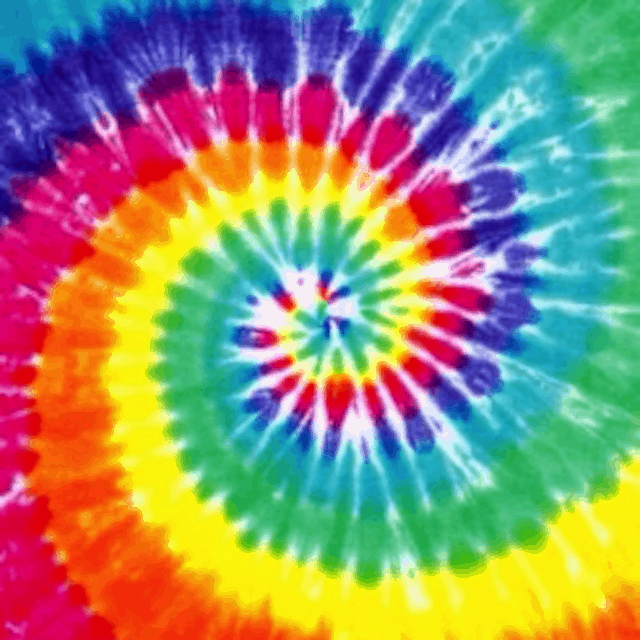
Sublimation Dyed
Crafted from high-performance fabric with moisture-wicking properties, our sublimated sportswear offers a perfect finish for every athlete.
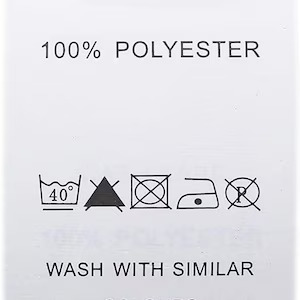
Sublimation Lables
Sublimation labels are seamless and invisible, providing a natural look for logos on your garments, available in various US/EU/AU sizes.
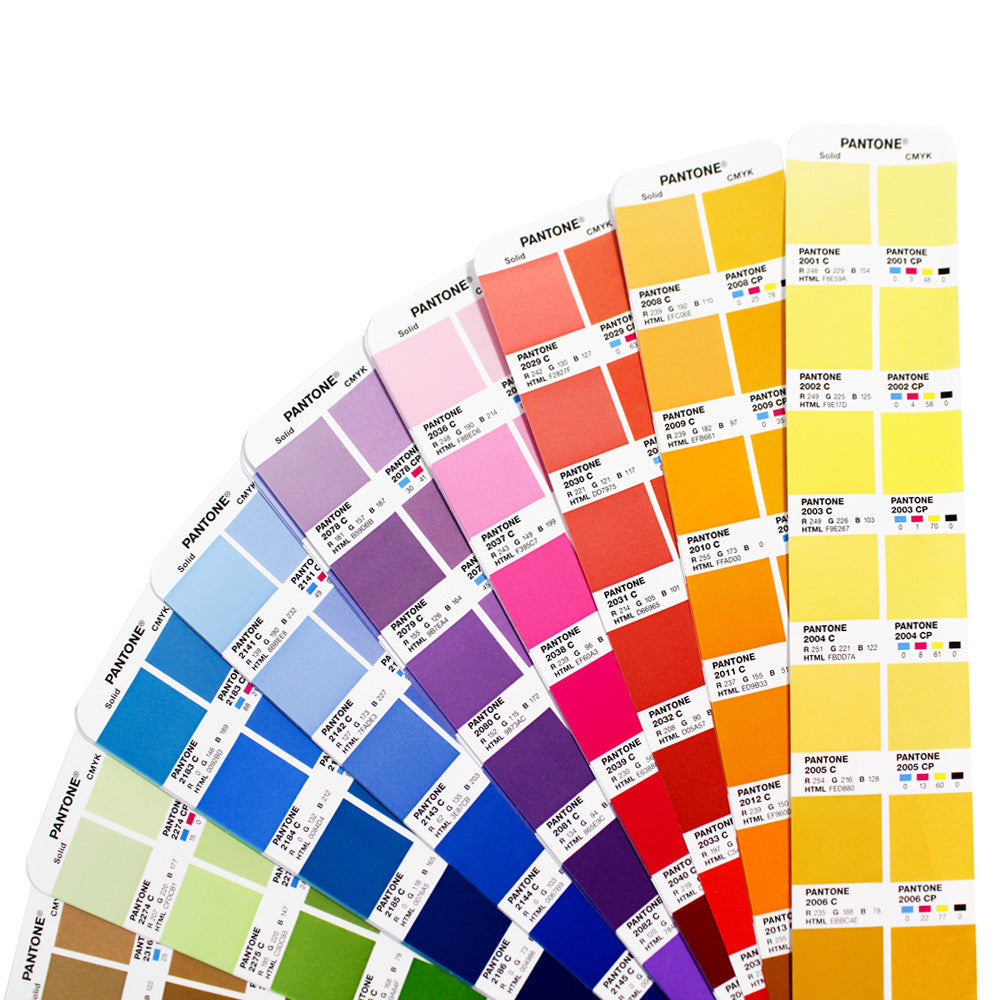
Pantone Matching
Custom-made sportswear featuring dyed fabric matching your exact Pantone color and print specifications.
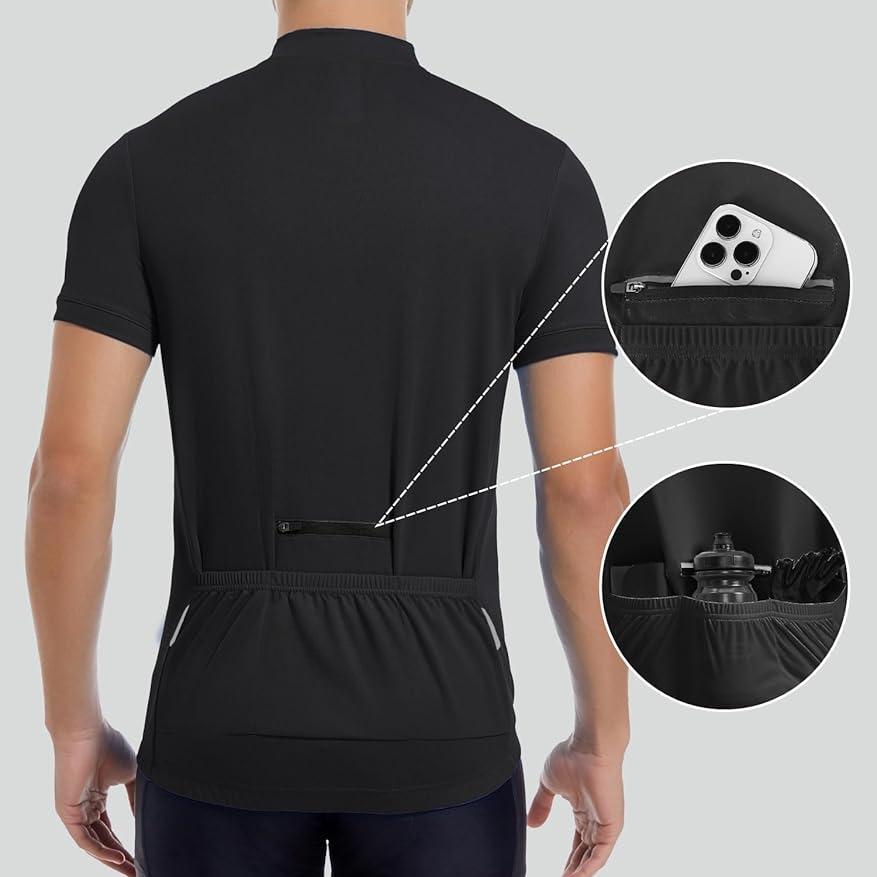
Three Rear Pockets
The rear pockets are designed for easy access to your keys, phone, and more. Equipped with reflective stripes, they enhance visibility and safety.
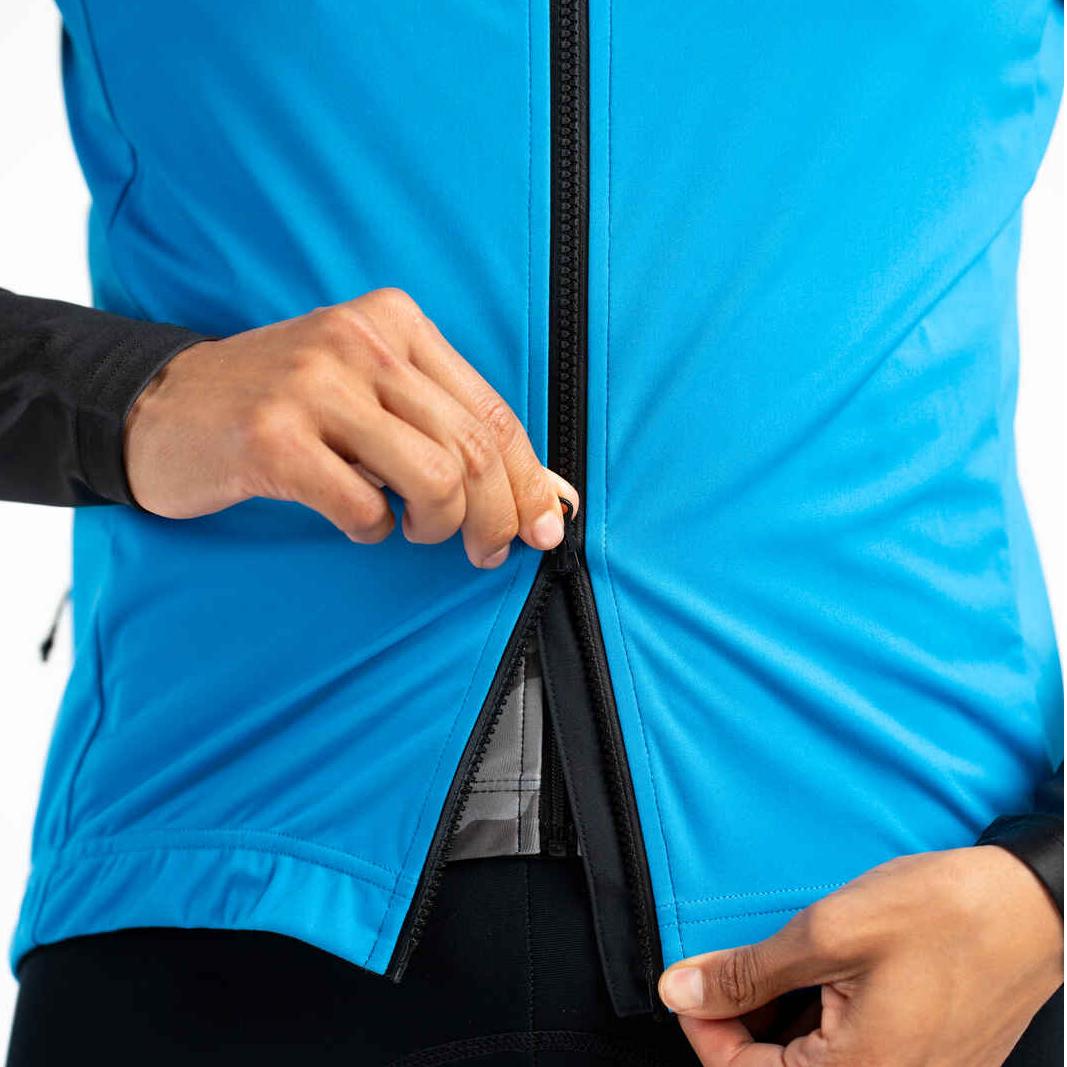
Side Panel
The side panel enhances comfort while riding and provides greater flexibility for the wearer.
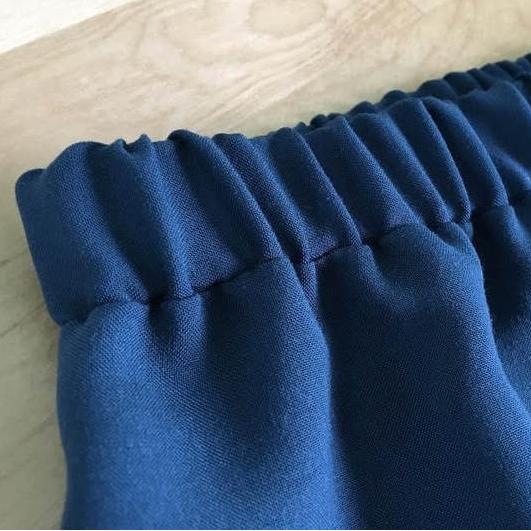
Silicone Waistbands
The cycling jersey features a full or half inner silicone gripper waistband. Custom printing options are available.
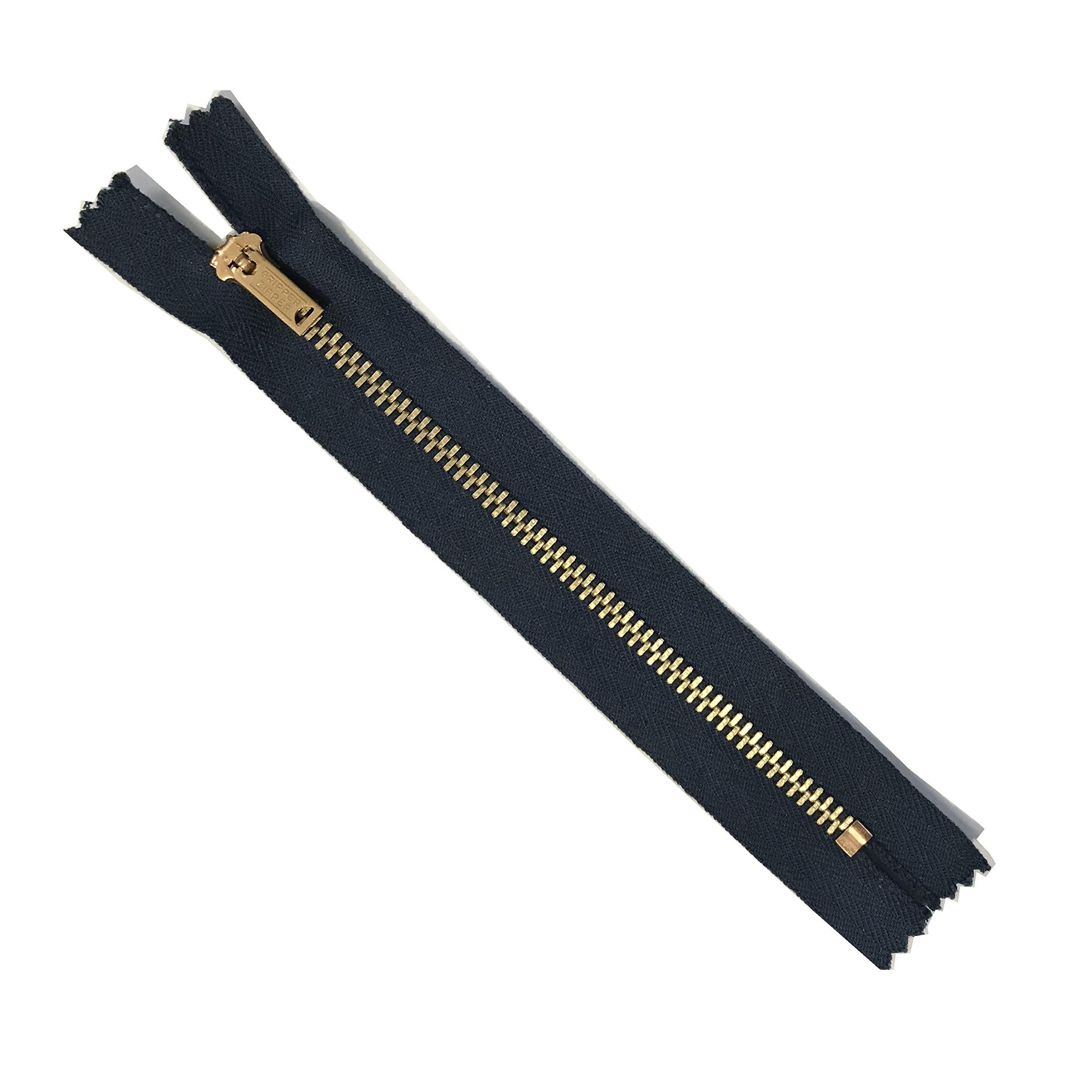
Cam-lock Zipper
We provide CAM-lock zippers in full, 1/4, or 3/4 options from trusted brands YKK or SBS for all our cycling jerseys.
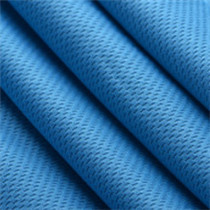
Fabrics Style
A variety of fabrics, including waffle and bird mesh, allows you to customize your desired style.
Fabric & Finish Library
Stocked and routinely sourced options — full specifications below.


Cycling Fabric Specifications: Weight, Composition and Performance
Fabric choice is where a cycling programme is won or lost. Two jerseys can carry identical artwork and the same size label, and one will be worn every weekend while the other is worn once. The difference is almost always the knit, the weight and the elastane percentage — not the print.
Below is the specification range we work with most often. Every one of these is a stocked or routinely sourced option in our in-house production, so lead times are predictable and reorders match the original run.
| Fabric | Composition | Weight | Typical use | Why it matters |
|---|---|---|---|---|
| Birdseye knit polyester | 100% polyester | 130–150 gsm | Club and short-sleeve jerseys | Open knit structure moves sweat to the outer face quickly and dries fast |
| Micro-mesh / waffle polyester | 100% polyester | 120–140 gsm | Race jerseys, side panels, underarm vents | Highest airflow of the jersey-weight fabrics; best in hot climates |
| Elastane jersey blend | 82–88% polyester / 12–18% elastane | 150–190 gsm | Race-cut jerseys, bib straps | Compression and shape retention; holds a close fit without bagging |
| Windproof peach-skin polyester | 100% polyester | 140 gsm | Gilets and lightweight windproof jackets | Blocks wind at the chest, packs down to jersey-pocket size |
| Brushed polyester fleece-back | 100% polyester | 280 gsm | Winter jerseys and thermal jackets | Brushed inner face traps warm air while still wicking |
| Three-layer waterproof softshell | Polyester face / membrane / backing | 280–320 gsm | Rain and deep-winter jackets | Waterproof and breathable with a soft inner face; no rustle |
| Nylon / Lycra bib knit | 78–80% nylon / 20–22% elastane | 200–240 gsm | Bib shorts and shorts | Compression, muscle support and full opacity under stretch |
Jersey fabrics: built around the riding position
Birdseye and waffle knit polyester (120–150 gsm)
The default for club and team jerseys. The open knit structure gives sweat somewhere to go — it moves moisture to the outer face of the fabric where it evaporates, rather than holding it against the skin. At 130–150 gsm it is substantial enough to carry a full-coverage sublimation print without show-through, while still being comfortable on a summer club ride.
Mesh panels and ventilation mapping
Weight alone does not solve heat. We routinely build ventilation into the pattern rather than just thinning the fabric: micro-mesh under the arms and down the side panels, mesh back panels on long-sleeve jerseys, and lighter-weight collars and cuffs. Because the panels are sublimated in the same run as the rest of the garment, artwork continues across them with no colour break.
Elastane content: race cut versus club cut
This is the single most common specification mistake we see. A pure polyester jersey at 140 gsm will not hold a race fit — it sags at the lower back once a rider is stretched over the bars. For race-cut garments we move to an elastane blend in the 12–18% range, which keeps the jersey in place in the riding position and stops the rear pockets from drooping when loaded. Club-cut and relaxed-fit garments stay closer to 100% polyester for comfort off the bike.
Jacket fabrics: windproof, thermal and waterproof shells
140 gsm windproof peach-skin polyester
Our standard windproof outer. The peach-skin finish gives a soft hand feel despite the tight weave, and at 140 gsm the garment packs into a jersey pocket — which is the entire point of a packable shell. Combined with a silicone gripper at the waist and three rear pockets, it works as a year-round layer rather than a single-season purchase.
280 gsm brushed polyester
The thermal option. A brushed inner face traps a layer of warm air against the body while the polyester still wicks, so riders do not get the clammy feeling that comes from cotton-backed fleece. This is the fabric we recommend for winter training kit, deep-season club orders and any programme shipping to northern European or North American winters.
Three-layer waterproof softshell
For genuine wet-weather use, a coating is not enough. A bonded three-layer construction — woven polyester face, waterproof breathable membrane, soft backing — keeps rain out while letting vapour escape, and unlike a hardshell it does not rustle with every pedal stroke. Taped seams and a storm flap behind the main zip are worth specifying here.
Bib short fabrics and chamois
Italian Carrico chamois
The chamois is the component riders judge a bib short on, and it is the one you cannot fix after the fact. We build our premium bibs around Italian Carrico padding, which is engineered for multi-hour saddle time: variable-density foam where pressure actually falls, a perforated top layer for airflow, and a shape that stays put rather than shifting under load. For programmes with a tighter price target, we also run standard chamois options — tell us your budget and the intended ride length, and we will specify honestly rather than upselling padding nobody needs.
and leg grippers
Bib shorts take more abuse per hour of wear than almost any other garment we make. We build them with flatlock seams so the stitching lies flat against the skin instead of creating a raised ridge — the usual cause of chafing on long rides. Leg openings are finished with silicone grippers rather than tight elastic, which holds the short in place without the tourniquet effect. Bib straps are cut from a breathable mesh with enough elastane to sit flat under a jersey.
Finishes worth specifying
Beyond the base knit, four finishes reliably change how a garment performs in the field, and all four can be applied within the same production run:
- Moisture wicking. A permanent hydrophilic finish that pulls sweat outward instead of letting it pool. Standard on anything we make for road or gravel use.
- UPF 50+ sun protection. Worth specifying for summer kit, hot-climate markets and any programme with long exposure hours.
- Antibacterial / anti-odour. Particularly relevant for base layers, bib shorts and multi-day event kit that gets worn repeatedly between washes.
- Cooling mineral finish. A contact-cooling treatment that produces a measurable drop in perceived fabric temperature; most valuable in high-heat markets.
Recycled and solution-dyed polyester options are available on request. If recycled content is part of your brand positioning or a retail buyer requirement, flag it at the enquiry stage so we can source and test before sampling rather than after.
Customisation Options: Printing, Colour and Construction
Full sublimation printing
Sublimation is the default for custom cycling apparel, and for good reason: the ink becomes part of the fibre rather than sitting on top of it. That means gradients, photographs, sponsor panels and full-wrap artwork cost the same as a two-colour logo — there is no per-colour screen charge and no minimum colour count. It also means the print will not crack, peel or stiffen, and the fabric stays breathable because there is no film layer blocking the knit.
The trade-off is that sublimation bonds to polyester, so it applies to synthetic fabric only, and colour is mixed in CMYK rather than spot-mixed. For brand-critical colours we handle that with Pantone matching below.
Pantone-matched colour
A cycling team’s colour is not negotiable, and a “close enough” red is the fastest way to lose a reorder. We match to Pantone references and approve against physical swatches before bulk, not against a screen. If your brand has a critical colour, send the Pantone code with your artwork — or send a physical sample, which is better still when matching to an existing garment.
Embroidery, silicone and heat transfer
Not every logo belongs in a print run. Embroidery is the right call for crests, small chest badges and anything on a heavier fabric such as a winter jacket, where a stitch gives a finish that printing cannot. Silicone and heat-transfer badges work where you want a raised, tactile logo that survives repeated washing. We will tell you when a method is wrong for the garment — a finely detailed crest under 40 mm, for example, usually reads better embroidered than printed.
Construction details riders actually notice
These are the specification points that separate kit that gets worn from kit that gets replaced, and all are available across our cycling range:
- Three rear pockets. The standard for a reason — loaded pockets are what a rider reaches for all day. Reinforced at the stress points so they do not sag.
- Silicone gripper waistbands. Holds the jersey in place in the riding position instead of riding up.
- Cam-lock zippers. A zip that stays where you put it instead of creeping down over rough road; available in full-front and three-quarter hidden configurations.
- Side panels. Both a fit tool and a design one — they let us shape the garment to the riding position and carry a contrasting colour or sponsor block.
- Sublimated labels. Printed rather than sewn, so there is no scratchy neck label on a garment worn next to skin for hours.
Quality Control and Compliance
In-line and final inspection
Inspection runs at two points, not one. In-line checks catch problems while a run is still on the floor — when a fix is cheap. Final inspection is piece-by-piece before packing, covering seam integrity, stitch density, print registration and colour consistency against the approved sample. Anything that fails is pulled rather than shipped.
Fabric and garment testing
Before bulk, and on any new fabric, we test for the failure modes that actually generate complaints: colour fastness to washing and rubbing, shrinkage after laundering, pilling resistance, and print durability through repeated wash cycles. If a fabric is going onto a garment that will be worn under load, we check stretch recovery and opacity too.
Social and material compliance
Fexwear operates to the standards our customers’ own retail and marketplace channels require. The frameworks we work within include BSCI, WRAP, SEDEX and SMETA for ethical labour and social audit, OEKO-TEX for material safety, and ISO-based quality management. If your buyer needs a specific audit report or certificate for a particular market, tell us at enquiry stage and we will confirm what we can supply before you commit.
One distinction worth being clear about: social audits such as BSCI or SMETA cover how and by whom a garment was made, while OEKO-TEX covers what it was made from. Retailers increasingly want both, and they are not interchangeable.
Minimum Order Quantity, Pricing and Volume Tiers
MOQ from 10 pieces
Our minimum order quantity starts at 10 pieces. That number exists because it lets a new brand test a design, a club replace a handful of kit, or a programme run a capsule collection without committing to a full season’s volume — and because low minimums are only useful if the factory can actually deliver them without cutting corners on the same line that runs bulk.
Low MOQ does not mean off-the-shelf. At 10 pieces you still get sublimated artwork, Pantone matching, your own labels and the same inspection standard as a 1,000-piece run.
What actually drives unit price
Unit price on custom cycling apparel is driven by five things, in roughly this order of impact:
- Fabric selection. A 140 gsm birdseye jersey and a 280 gsm brushed thermal jacket are not comparable products.
- Decoration method. Full sublimation carries no per-colour charge; embroidery is priced by stitch count; silicone badges add a unit cost.
- Order volume. The single largest lever — see the tiers below.
- Size and colourway spread. Ten pieces in one size, one colourway is cheaper to run than ten pieces across five sizes and three colourways, because every changeover costs setup time.
- Finishing and packaging. Private label packages, individual polybags and retail hangtags each add cost per unit.
Volume tiers
Pricing steps down as quantity rises, because the fixed costs of a run — pattern setup, print file preparation, machine setup, sampling — are spread across more units. In practice we quote across four broad bands:
- 10–49 pieces: sampling, capsule drops, single-team orders, market testing
- 50–199 pieces: club programmes, first full brand collections
- 200–499 pieces: established brands, multi-team programmes, event kit
- 500+ pieces: wholesale and distribution volumes, quoted per programme
Because every specification is different, we quote rather than publish a price card — but tell us the target volume and we will tell you which band you are in and what the step to the next one saves.
Private Label, OEM and ODM
The private label package
Private label is what turns a manufactured garment into your product. The full package we run includes:
- Woven neck labels and branded tape
- Care and composition labels, printed to your market’s regulatory requirements
- Hangtags and swing tags, including barcoded retail tags
- Branded polybags and carton marking
- Size stickers and retail-ready packing if you are shipping into a distribution channel
Labels are sewn in during production rather than added afterwards, which matters on cycling kit — a label applied later is a label that ends up rubbing.
ODM versus OEM — and which one you need
ODM (original design manufacturing) means you start from patterns we already hold. You choose the base garment, specify fabric, colour and artwork, and the pattern work is substantially done. This is the faster and cheaper route, and it is the right choice for most first orders: you get to market sooner, and you are not paying for pattern development on a silhouette that has already been proven in production.
OEM (original equipment manufacturing) means we build to your tech pack — your measurements, your pattern, your construction specification. This is the route when you have an existing fit you need to protect, a graded size set of your own, or a design detail that does not exist in our pattern library. It costs more and takes longer to sample, but the garment is yours and nobody else can order it.
Most programmes we run start ODM and move to OEM once volume justifies the development cost. We will tell you when that crossover makes financial sense rather than pushing you into development early.
Order Timeline: Enquiry to Delivery
Cycling kit is seasonal, and the deadline that matters is usually a race date, a season opener or a launch — not the day the order is placed. Here is the timeline we work to, end to end:
| Stage | Typical time | What happens |
|---|---|---|
| Enquiry & quote | 1–2 days | We confirm specification, fabric availability and price |
| Proto / fit sample | 3–7 days | First physical sample for fit, fabric and construction approval |
| PP sample approval | 3–5 days | Pre-production sample in final fabric and artwork for sign-off |
| Bulk production | 2–4 weeks | Printing, cut-and-sew, in-line inspection |
| QC & packing | 3–5 days | Piece-by-piece final inspection, labelling, packing |
| Shipping (air / sea) | 3–30 days by method | Air for speed, sea for volume and cost |
Working backwards from a launch date
The two stages most likely to slip are the ones outside the factory: artwork approval and sample feedback. Bulk production is the part we control tightly; a sample sitting in someone’s inbox for a week is not. If you are working to a fixed date, tell us that date at the start and we will build the schedule backwards from it — which usually means locking artwork before sampling rather than after, and choosing air freight deliberately rather than discovering the need for it in week five.
Seasonality is real in this category. Team kit orders cluster before the season starts, and sublimation capacity is finite. The earlier a seasonal programme is booked, the more of the schedule you get to choose.
Cycling Programmes We Supply
Club and team kit
The most demanding category in practice, because a club order has to satisfy a committee, a sponsor and every rider’s fit — usually across a size range from XS to 5XL in the same run. We handle mixed sizes within a single order, keep the artwork consistent across every garment, and hold the specification on file so next season’s reorder matches this season’s kit rather than being a near-match.
Cycling brands and direct-to-consumer labels
For brands, the priority is consistency across collections and repeatable reorders. We hold your patterns, colour references and label package on file, so a reordered style comes back identical — same fit, same hand feel, same Pantone. Low MOQ means a new label can test a silhouette at 10 pieces before committing to a full drop, and 30-country shipping experience means we are used to the documentation that cross-border retail requires.
Sportives, gran fondos and charity rides
Event kit has a hard deadline that cannot move and a rider list that changes until late. The combination that works is an ODM base garment, a single full-sublimation design, and a production slot booked before final numbers are confirmed. Ask us about ringing the changes on a base garment — different colourway per distance or per year — without paying for a new pattern each time.
Corporate rides and promotional kit
Corporate cycling programmes usually need branding that survives the washing machine and sizing that works for people who do not own cycling kit. We recommend club-cut rather than race-cut garments in these cases, and we will flag honestly if a proposed logo is too detailed to read at chest-badge size.
Frequently Asked Questions
What is your minimum order quantity for custom cycling clothing?
10 pieces. That applies to sublimated jerseys, jackets and bib shorts, and it is a genuine production minimum — not a sample quantity. Because there is no per-colour screen charge with sublimation, a 10-piece order can carry full-coverage artwork at no extra print cost.
Can I mix sizes and colourways within one order?
Yes. Sizes can be mixed freely within the minimum quantity, which is what makes club and team orders work. Mixing colourways within a single run is also possible, though each additional colourway adds a changeover, so it affects unit price at low volumes.
Do you match Pantone colours?
Yes. Send Pantone references with your artwork, or a physical sample if you are matching an existing garment. We approve colour against physical swatches before bulk production rather than against a screen, because screens are not colour-accurate and artwork approval on a monitor is the most common source of colour disputes.
What artwork file format do you need?
Vector files — AI, EPS or PDF — give the best results and let us scale artwork to any panel without quality loss. High-resolution raster files work for full-panel photographic designs; we will confirm resolution requirements when we see the file. If you only have a sketch or a photograph of an existing jersey, send it — our design team can build production artwork from it.
How long does sampling take?
A proto or fit sample takes 3–7 days, and pre-production sample approval a further 3–5 days. Those are factory times; the variable in most programmes is how quickly feedback comes back, so we recommend reviewing samples promptly to protect the overall schedule.
Can you produce a sample before I commit to a bulk order?
Yes, and we recommend it for any new programme — particularly for bib shorts, where chamois choice is a decision best made with the garment in hand rather than from a spec sheet.
Do you offer recycled or sustainable fabric options?
Recycled and solution-dyed polyester options are available on request. Tell us at enquiry stage if recycled content is required, so we can source and test the fabric before sampling rather than after approval.
What certifications do you hold?
We work within BSCI, WRAP, SEDEX and SMETA frameworks for ethical labour and social audit, OEKO-TEX for material safety, and ISO-based quality management. If a specific retailer or marketplace requires a particular audit report, tell us which one at enquiry stage and we will confirm what we can supply.
Can you ship to our country?
We currently supply customers in 30 countries and ship by air or sea depending on volume and deadline — air at 3–7 days for speed, sea for larger volumes where cost matters more than transit time.
Can I reorder the same kit next season?
Yes. We hold your patterns, colour references, artwork files and label package on file, so a reorder matches the original run. This is the main reason customers standardise on one manufacturer for team kit — a second supplier will produce a near-match, not a match.
Start Your Custom Cycling Clothing Order
Whether you are a brand building a first collection, a club replacing a season of kit, or an organiser working to a fixed event date, the fastest start is a specification: what garments you need, roughly what quantity, and the date you need them by. We will come back within 1–2 days with fabric options, a price and a realistic schedule — including an honest answer if your deadline does not work.
At Fexwear, we are a leading Custom Sportswear Supplier dedicated to providing full-service manufacturing solutions. Our expertise includes:
- Clothing Design: Transform your ideas into professional designs.
- Material Sourcing: Access premium-quality fabrics tailored to your needs.
- Sample Making: Perfect your designs with precision-crafted samples.
- Bulk Production: Seamless and efficient manufacturing for orders of all sizes.
- International Shipping: Reliable and hassle-free global delivery.
With Fexwear, you can establish or expand your stylish sportswear brand in the USA, UK, Canada, Australia, and beyond. We help bring your vision to life within just a few months.
Partner with Fexwear to produce high-quality, custom sportswear that sets your brand apart!
Contact Us
|
|