
When buyers or emerging brands reference “brands like Abercrombie,” they’re typically invoking a specific, enduring aesthetic: a blend of casual luxury, confident fit, and a polished yet effortless vibe. This isn’t just about a logo; it’s a complete product philosophy centered on premium basics with a fashion-forward edge. For a custom sportswear manufacturer, understanding this aesthetic is crucial. It translates into specific demands for fabric quality, garment construction, fit patterns, and subtle branding. Replicating this look through OEM or ODM services requires moving beyond generic t-shirt production to a more nuanced, detail-oriented approach. This guide breaks down the core components of the Abercrombie style and translates them into actionable specifications for your custom apparel project.
Whether you’re a startup aiming for a similar premium-casual market position or an established retailer expanding your private label, this analysis will help you communicate effectively with your factory. We’ll explore the tangible attributes—from fabric hand to seam finishing—that define the category and the practical production considerations, including typical Minimum Order Quantities (MOQs) and critical quality markers, that separate a convincing imitation from a cheap knock-off.
What Matters Most for Buyers: The Core Decision Checklist
Before diving into styles, focus on these foundational elements. Your factory’s ability to execute on these points will determine the authenticity of the final product. Use this checklist in your initial discussions and sample approvals.
Related guide: The Architecture of Luxury: Sourcing & Customizing Premium Women’s Sweaters for 2025
- Fit Philosophy: Is the silhouette tailored, relaxed, or “athletic slim”? Abercrombie’s signature is often a flattering, slightly tailored fit that skims the body without being restrictive. This requires precise pattern making, not just size scaling.
- Fabric Hand & Weight: The feel (“hand”) is paramount. Expect a focus on mid-weight, brushed cotton jersey for t-shirts (≈180-220 GSM), heavyweight loopwheeled cotton for hoodies, and fabrics with a soft, durable finish. Understanding fabric construction is key to specifying these properties.
- Construction Details: Look for double-needle stitching on stress points, covered seam allowances on necklines, and clean hem finishes. These are labor-intensive details that signal quality.
- Branding Subtlety: Branding is often minimal—small embroidered logos, woven neck tapes, or custom hem labels. The focus is on the garment’s inherent quality, not overt graphics.
The Style DNA: Breaking Down the Aesthetic
1. Elevated Basics & Layering
The collection revolves around versatile, high-quality basics. The classic crewneck t-shirt is a cornerstone, but it’s complemented by Henley tees, long-sleeve raglans, and perfectly cut hoodies. The ability to layer these pieces seamlessly is part of the appeal. For custom production, this means creating a cohesive fabric family—using the same base cotton jersey for tees, tanks, and sweatshirt bodies to ensure consistent dye uptake, shrinkage, and hand-feel across your range.
2. Color Palette & Dyeing
The palette is anchored in timeless neutrals (heather grey, oatmeal, navy, black) with seasonal, muted pastels or earthy tones. Achieving the exact, slightly washed or heather effect requires skilled garment dyeing or the use of pre-dyed, mélange yarns. For OEM orders, specifying Pantone colors for trims and main fabrics is standard, but be prepared for slight variations in heather effects depending on the mill’s capabilities. Request lab dips for color approval before bulk production.
3. Graphics & Patterns
Graphics are understated: small chest logos, abstract sleeve prints, or all-over subtle textures. When requesting custom prints, prioritize placements that align with a “premium” feel—avoid large, plastisol-heavy prints across the chest. Consider water-based or discharge printing for a soft-hand feel that mimics the brand’s aesthetic. For woven patterns, jacquards or small, tone-on-tone stripes add sophistication without loudness.
Fabrication & Fit: The Manufacturing Heart
This is where the aesthetic is either built or broken. The choice of fabric and pattern dictates the final drape, durability, and perceived value.
| Garment Type | Typical Fabric Spec | Key Production Notes | Trade-offs |
|---|---|---|---|
| Short-Sleeve Tee | 100% Combed Cotton Jersey, 180-220 GSM, 30/1 or higher count | Requires ring-spun or combed cotton for smooth surface. Pre-shrunk treatment essential. Expect higher cost vs. carded cotton. | Higher cost, but superior softness and stability. |
| Hoodie / Sweatshirt | French Terry (loop on inside) or brushed fleece (brushed inside), 280-320 GSM | French terry is lighter, fleece is warmer. Pay attention to rib knit at cuffs/hem—2×1 or 1×1 rib with Lycra for recovery. | Fleece is bulkier; French terry has a more refined, “athletic” look. |
| Cargo Pants / Joggers | Stretch cotton twill or ripstop, 260-300 GSM with 2-5% elastane | Pattern must account for stretch. Pocket placement and bagginess are critical style cues. Double-stitched pockets for durability. | Elastane content affects dyeing; requires specific handling to avoid spots. |
Fit Patterns: Do not assume a “standard” size chart. The Abercrombie aesthetic often uses a “tailored” or “modern” fit with a slight taper. You must provide your specific fit model measurements (chest, waist, hip, sleeve length, body length) to your pattern maker. A good ODM partner will offer multiple fit options (classic, slim, relaxed) and can adjust patterns based on your target demographic’s data. This is a non-negotiable step for authenticity.
Customization Pathways: From OEM to ODM
You have two primary paths when working with a factory:
- OEM (Original Equipment Manufacturer): You provide complete specs: tech pack, approved samples, fabric swatches, and detailed construction notes. This is ideal if you have a fully developed design but need production capacity. Your control is high, but you bear all design risk.
- ODM (Original Design Manufacturer): The factory’s design team proposes styles based on your aesthetic brief (e.g., “premium American casual with a tailored fit”). They present samples from their existing catalog or create new prototypes. This is lower risk and faster for brands without in-house design, but uniqueness depends on the ODM’s portfolio and your willingness to modify.
Key Customization Zones: Where can you inject your brand?
- Labels & Tags: Custom woven neck tape, care labels, and hangtags. This is the most common and subtle form of branding.
- Embroidery: Small chest or sleeve logos. Requires digitization; location and stitch count affect cost.
- Print/Applications: As noted, subtle prints on sleeves, hems, or inside necklines.
- Trim & Hardware: Custom zipper pulls (for hoodies), unique drawcord tips, or colored stitching.
- Packaging: Polybag design, tissue paper, and stickers contribute to the unboxing experience.
Production Realities: MOQs, Samples, and Quality Control
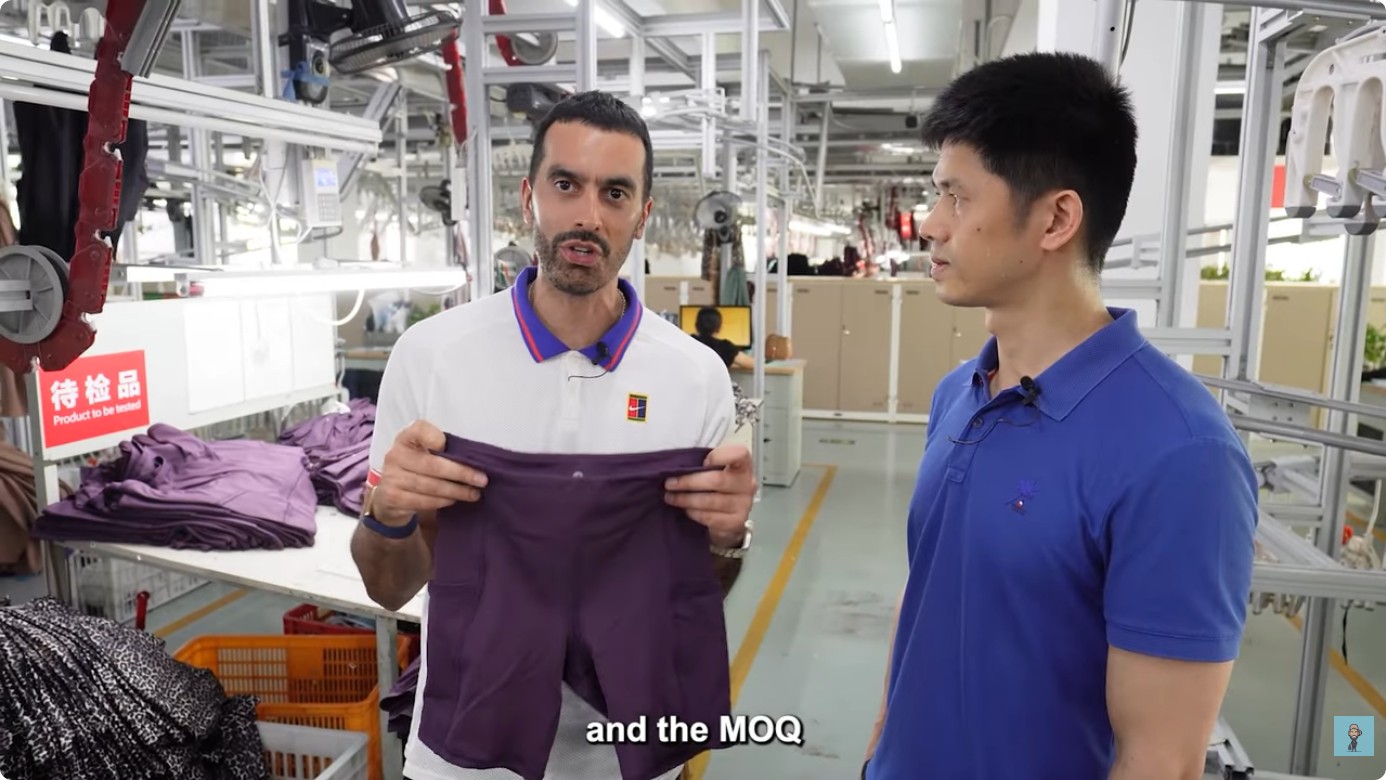
For premium-quality production mimicking this segment, expect higher MOQs than fast-fashion basics. Factories specializing in this caliber often have minimums of 500-1000 pieces per style due to the setup costs for finer fabrics and complex stitching. However, some ODM partners may offer lower MOQs (200-300 units) on their in-stock styles if fabric is available.
The sample-making phase is where 80% of the battle is won. Never skip or rush this. Insist on a pre-production (“TOP”) sample made with the exact approved fabric and trims. Fit, fabric hand, and construction must be perfect. Use a detailed tech pack with:
- Fully annotated technical flat sketches
- Fabric composition, GSM, and shrinkage rates
- Stitch type and length per seam (e.g., 401 stitch for coverstitch on hems)
- Exact placement measurements for all logos/labels
- Approved color standards (physical swatches or Pantone codes)
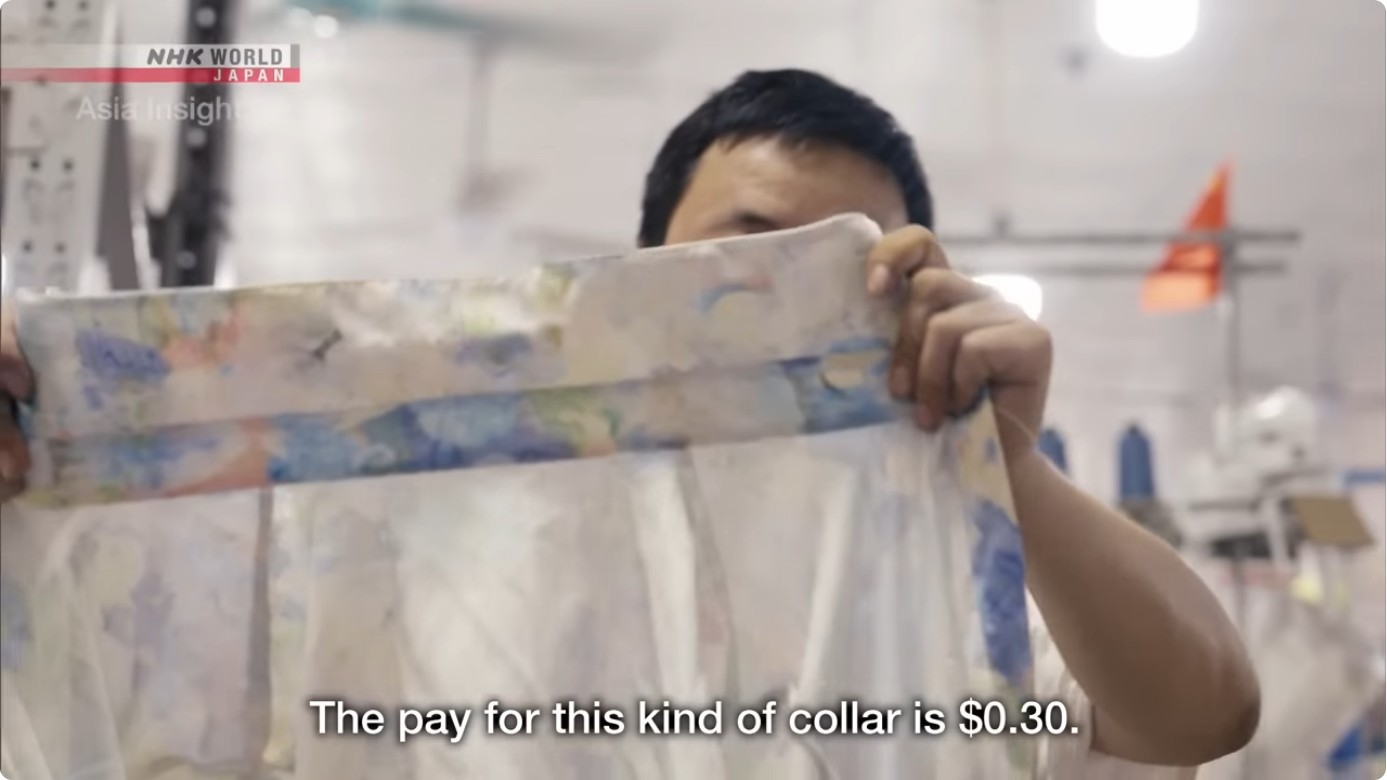
Quality Markers to Inspect: During bulk production or upon arrival, check for consistent stitch density (stitches per inch), secure thread tension (no loose loops), crisp pressing on plackets and collars, and symmetrical pattern matching (for heathers or stripes). Seam allowances should be neat and finished (e.g., serged or bound).
Navigating Trade-offs: Cost vs. Authenticity
Recreating this aesthetic involves clear trade-offs. The table below summarizes common decisions.
| Decision Point | Premium (Authentic) Choice | Cost-Driven Alternative | Impact on Final Look |
|---|---|---|---|
| Fabric | Ring-spun combed cotton, garment-dyed | Open-end yarn, piece-dyed | Softer, more stable hand vs. rougher, stiffer finish. |
| Stitching | Double-needle, covered seams | Single-needle, raw edges | Professional, durable vs. amateurish, prone to unraveling. |
| Fit Development | Multiple fit samples on model | Pattern scaled from one size | Flattering on all sizes vs. poor proportions on larger/smaller sizes. |
| Branding | Custom woven labels, subtle embroidery | Large screen-print logo | Quiet luxury vs. promotional/team wear look. |
Choosing the cost-driven alternative on the wrong element (e.g., fabric) can undermine even the best design. Prioritize fabric and fit; branding can be scaled back if budget is tight.
Is the ‘Abercrombie Look’ Right for Your Brand?
Before committing to this production path, ask: Does your target customer value understated quality over loud logos? Can your pricing support the cost of premium construction? Is your brand identity aligned with “effortless sophistication” rather than “athletic performance” or “streetwear edge”? The Abercrombie aesthetic sits in a specific niche that demands consistency across an entire collection. A single poorly made hoodie can break the spell for a customer who expects uniformity. This model works best for brands building a complete, cohesive wardrobe rather than those selling one-off statement pieces.
Whether you’re a startup brand or an established retailer, we manufacture custom sportswear at competitive MOQs. Reach out to start your project.
Also read: How to Clean Satin Fabric: A Guide for Buyers of Custom Activewear