
When someone asks “what’s a cap in soccer?” the immediate answer often relates to the honor of earning an international appearance—the physical cap awarded to players. However, for custom sportswear manufacturers, wholesale buyers, and team merchandisers, the term points to a tangible, high-demand product category: performance and fan headwear. This guide cuts through the ambiguity to focus on the physical soccer cap as a customizable apparel item. We’ll explore its forms, key features for on-field and stands use, and the critical manufacturing and sourcing considerations that affect your bottom line, whether you’re outfitting a youth club or launching a global fan brand.
Sourcing the right soccer cap involves navigating material science, branding techniques, and production logistics. The choices you make at the specification stage directly impact player comfort, fan appeal, and your profit margins. This article provides a practical framework for evaluating and ordering custom soccer caps, translating design intent into a reliable, scalable product.
- Product Types: Training caps (lightweight, sweat-wicking), match/bench caps (often with team badges), and fan-style caps (structured or unstructured for retail).
- Key Customization: Embroidery (premium for logos), screen printing (cost-effective for large runs), woven labels, and fabric color matching.
- Production Notes: Typical MOQs range from 50-500 units depending on style and factory. Fabric selection (polyester vs. cotton) dictates cost, durability, and branding method.
- Critical Questions: Ask suppliers about fabric sourcing (e.g., OEKO-TEX certification), stitch density, and compliance with league uniform regulations if for official team use.
Defining the Product: Soccer Cap Types and Their Primary Functions
For the custom apparel buyer, a “soccer cap” is any style of headwear designed for the sport’s ecosystem. The primary division is by user and context:
- Performance Training Caps: Worn during practice and warm-ups. Prioritize lightweight, breathable fabrics with sweat-wicking properties. Often feature mesh panels, minimal branding, and a low-profile fit to avoid interference with play. These are the true workhorses of team apparel.
- Match/Team Bench Caps: Part of official travel or sideline kits. Typically more structured, with space for team crests, player numbers, or sponsor logos. Must coordinate with jersey and tracksuit designs. Fabric weight is usually higher than training caps for a more premium feel.
- Fan & Lifestyle Caps: Retail-oriented products for supporters. Styles range from classic baseball caps to relaxed truckers or knit beanie variants for colder climates. Aesthetic versatility is key here, as these products compete in the broader fashion streetwear market.
Understanding this segmentation is your first sourcing step. A factory specializing in performance activewear will differ from one focused on fashion accessories. Industry sources like SportTechie often highlight how performance textile innovations eventually filter down to fan apparel, creating cross-category opportunities.
Key Features and Material Trade-offs
The functionality of a soccer cap is determined by its construction. As a buyer, you must weigh performance needs against cost and branding goals.
Fabric Fundamentals
Most soccer caps use one of two base materials, each with distinct implications:
| Material | Pros for Custom Order | Cons / Considerations |
|---|---|---|
| Polyester (often performance mesh or micro-mesh) | Excellent moisture management, lightweight, holds color well, ideal for sublimation printing (full-color designs). | Can feel less premium than cotton, potential for static, environmental concerns (recycled PET is a common mitigation). |
| Cotton (often twill or canvas) | Natural feel, breathable, excellent for embroidery (stability), perceived higher quality in fan market. | Absorbs sweat (slower to dry), can shrink, heavier. Embroidery is the primary branding method; large prints may be less crisp. |
| Blends (e.g., Cotton/Polyester) | Balances properties: better drape than pure poly, more stable than pure cotton for some prints. | Cost can be higher. Performance characteristics depend on blend ratio; requires clear specification with supplier. |
For performance caps, look for fabrics with specific technical certifications. The Global Standards body references many textile performance tests. Ask your manufacturer for fabric specs—claims like “moisture-wicking” should be backed by test data (e.g., wicking rate in mm/30min).
Construction Details That Signal Quality
Beyond fabric, the build quality dictates longevity and professional appearance. When reviewing samples or factory capabilities, check for:
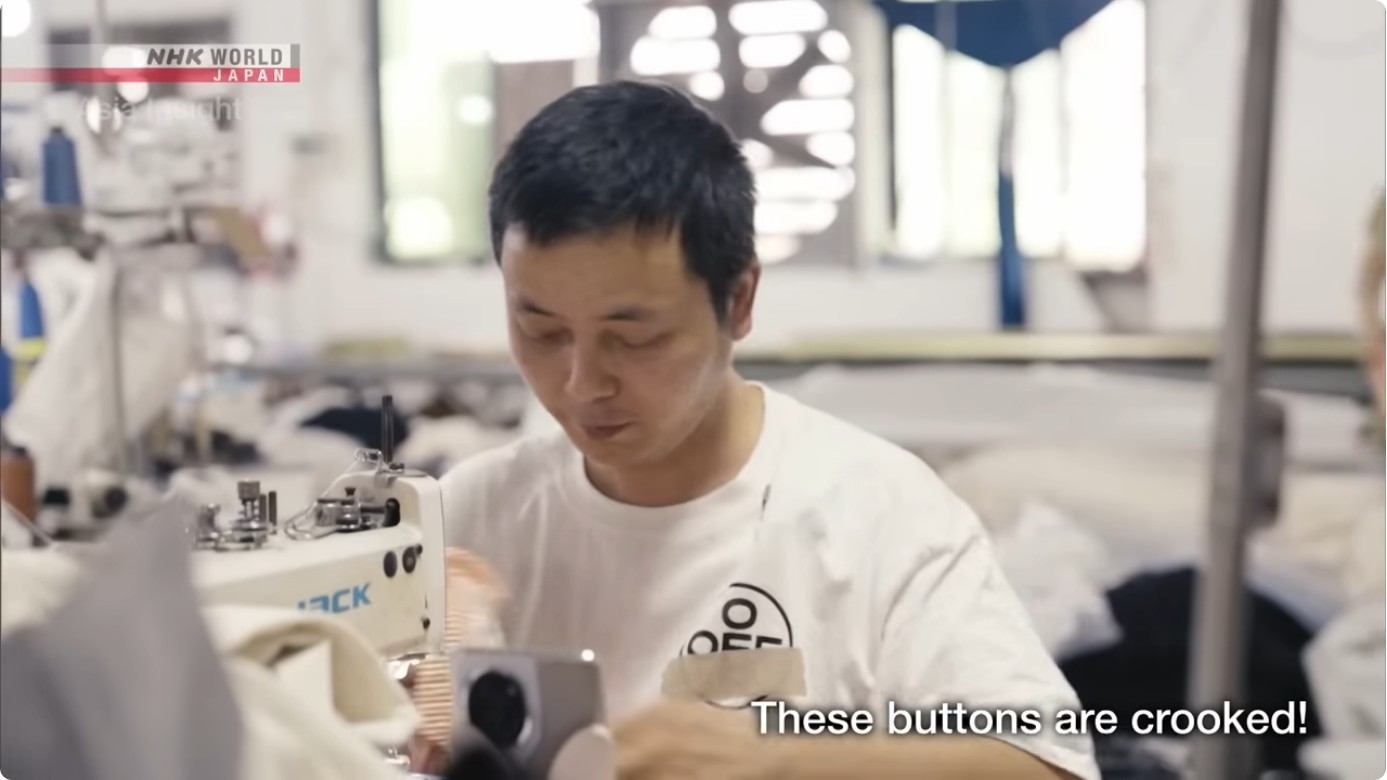
- Stitch Density (SPI): Stitches Per Inch. Higher SPI (e.g., 8+ for top stitching) means stronger, cleaner seams. Ask the factory for their standard.
- Brim Structure: Is it pre-curved? Flat? How is it attached? A stitched-on brim (vs. glued) is more durable. Plastic vs. cardboard stiffening in the front panels affects shape retention.
- Sweatband: A terry cloth or performance fabric sweatband inside is a comfort essential. Its width and attachment method (sewn vs. bonded) matter for sweat management and durability.
- Adjustment System: Plastic snap, fabric strap (tuck-in or buckle), or elastic? Snap adjusters are common and reliable. For fan caps, a one-size-fits-all strap system is standard but may not fit all head shapes comfortably.
Sourcing and Customization Pathways
This is where your project specification meets factory capability. The two main models are OEM (Original Equipment Manufacturer) and ODM (Original Design Manufacturer).
- OEM (Your Design, Their Production): You provide complete tech packs—specs, fabric swatches, logo artwork, and construction details. This offers maximum control but requires significant design and quality assurance expertise. Ideal for brands with established products.
- ODM (Their Design, Your Customization): You select from the factory’s existing cap styles (often called “catalog styles”) and apply your branding (logo, colors). This is faster, has lower MOQs (often 100-200 units), and reduces development risk. Perfect for teams, small brands, or retailers testing a new product line.
Minimum Order Quantities (MOQs): These vary wildly. A factory making simple unstructured cotton twill caps might have an MOQ of 50 units. A factory producing high-tech performance caps with special fabrics and multiple branding locations may set MOQs at 500 or 1000. Always clarify this upfront. ODM styles almost always have lower MOQs than custom OEM developments.
Customization Techniques: Matching Method to Material
Your branding method must align with the cap’s fabric and structure. Here’s a practical comparison:
| Method | Best For | Key Consideration |
|---|---|---|
| Embroidery | Logos on cotton, twill, polyester twill. Premium look for team crests, brand logos. | Cost per stitch. Complex logos increase cost. Has minimum stitch length requirements. Not ideal for small, thin text. |
| Screen Printing | Large, bold designs on flat surfaces (front panel). Cost-effective for runs of 50+. | Plastic-like feel on some fabrics. Limited color count per location. Curved surfaces (like a cap’s front) require special screens and skill; ask for examples. |
| Sublimation | All-over, full-color patterns on 100% polyester. Dye becomes part of the fabric. | Requires white or light-colored polyester base. “Bleeding” under high heat can occur if not properly controlled. Only suitable for performance polyester caps. |
| Woven Labels (Patches) | Durable, high-quality look for small logos. Sewn on or heat-applied. | Additional cost per label. Adds a layer, which can feel bulky on lightweight caps. |
Pro Sourcing Tip: Request a pre-production sample (often called a “counter sample” or “PP sample”) that includes your exact branding method on your chosen fabric. This is non-negotiable for verifying color matching, stitch quality, and logo placement before committing to full production.
Decision Framework: What to Communicate to Your Factory
Clear communication prevents costly errors. Use this checklist when requesting a quote or initiating an order:
- Product Type & Intended Use: “Performance training cap for a professional club” vs. “retail fan cap for a fashion brand” changes everything in the spec.
- Target Price Point: Be upfront about your cost goal (e.g., “target FOB price under $8”). This allows the factory to recommend appropriate materials and methods.
- Detailed Artwork: Provide vector files (AI, EPS) for logos. Specify Pantone colors for embroidery threads and print inks.
- Fabric Requirements: State desired weight (e.g., 5.5oz cotton twill), composition (100% cotton), and any certifications (OEKO-TEX Standard 100, recycled content).
- Branding Locations & Methods: “Left front: embroidered logo, 2-inch max. Right side: screen-printed player number. Under brim: sublimated pattern.”
- Packaging: Individual polybags? Bulk in cartons? Any specific labeling (QR codes, size stickers) for retail?
- Compliance Needs: If for official team use, does it need to meet league or federation uniform guidelines? Reference specific documents.
Suppliers who ask clarifying questions during the quoting phase are usually more reliable partners. They are identifying potential production hurdles early.
Questions to Ask Your Potential Manufacturer
Before finalizing a partnership, vet the factory’s capabilities with these queries:
- “Can you provide examples of soccer caps you’ve manufactured for other teams/brands?” (Look for clean embroidery, straight stitching, accurate color matching).
- “What is your standard quality control process for cap production? At which stages do you inspect?” (Good answer: incoming fabric inspection, in-line checks during sewing, final inspection before packing).
- “What is your typical defect rate for cap production, and how are replacements handled?”
- “Do you source fabrics from certified mills? Can you provide mill certificates for materials like OEKO-TEX or bluesign®?” (bluesign® system is a leading hazardous-chemical management standard).
- “What are your lead times from approval of the PP sample to shipment?” (Standard is 30-45 days after sample approval for a 500-unit run, but confirm).
- “How do you handle color matching between fabric dye and embroidery thread/print ink?” (They should have a system for cross-material color matching).
The answers will reveal their experience level, quality focus, and transparency.
We manufacture all the styles discussed in this guide — with custom labels, fabric options, and print or embroidery finishing. Tell us what you need.