
The term “Chinese sportswear brands” encompasses a vast and sophisticated ecosystem, from global giants like Anta and Li-Ning to a deep network of manufacturing hubs powering the world’s activewear. For wholesale buyers, gyms, sports teams, and fashion labels, this ecosystem represents both an immense opportunity and a complex landscape to navigate. The key to successful sourcing lies not in viewing “Chinese sportswear” as a monolith, but in understanding the distinct layers: the branded consumer market, the Original Equipment Manufacturing (OEM) sector, and the Original Design Manufacturing (ODM) innovators. This guide breaks down what you need to know to source custom activewear from China effectively, focusing on production capabilities, quality markers, and the critical questions to ask your potential partner.
Whether you’re a startup brand needing a first production run or an established retailer scaling up, China’s manufacturing infrastructure offers scalability and technical expertise that is hard to match. However, achieving the right balance of cost, quality, and reliability requires a strategic approach. We’ll explore the practical realities of working with factories in this region, from minimum order quantities (MOQs) to fabric innovation, to help you make informed sourcing decisions.
The Dual Landscape: Branded Products vs. Custom Manufacturing
When researching “Chinese sportswear brands,” it’s crucial to separate two different channels:
Also read: The Complete Guide to Personalized Basketball Warm Ups: From Style to Sourcing
- The Consumer Brand Market: This includes companies like Anta (owner of Salomon and Amer Sports), Li-Ning, and Xtep. These entities design, market, and sell finished products globally. A buyer might source their products for retail but typically cannot customize them.
- The OEM/ODM Manufacturing Sector: This is the powerhouse behind many international brands. These are the factories and trading companies that produce garments according to another company’s specifications (OEM) or provide design and production services (ODM). This is the channel relevant for custom sportswear sourcing.
This article focuses squarely on the latter—the custom manufacturing ecosystem that enables you to create your own branded activewear.
Quick Overview: Why Source Custom Sportswear from China?
Here’s a concise summary of the primary advantages and considerations for B2B buyers:

- Scale & Cost Efficiency: Massive production capacity drives competitive unit costs, especially for medium to large orders.
- Vertical Integration: Many large facilities control fabric knitting, dyeing, cutting, and sewing in-house, streamlining production and allowing for complex fabric specifications.
- Technical Expertise: Decades of focus on sportswear have resulted in advanced knowledge of performance fabrics, seam construction (e.g., flatlock, bonded), and garment engineering.
- MOQ Flexibility (Relative): While “low MOQ” is relative, the sheer number of factories means you can often find partners for orders as low as 500-1,000 units per style, though this varies by complexity.
- Key Considerations: Requires precise communication, diligent quality control plans, and an understanding of Incoterms and logistics. Intellectual property (IP) protection requires clear contracts.
Decoding OEM vs. ODM: Which Sourcing Model Fits Your Needs?
Your first major decision is whether to engage a factory as an OEM or ODM partner. This choice shapes your development process, cost structure, and creative control.
| Feature | OEM (Original Equipment Manufacturer) | ODM (Original Design Manufacturer) |
|---|---|---|
| What You Provide | Complete technical package: detailed specs, tech packs, patterns, fabric swatches, and size charts. | General product category and requirements (e.g., “men’s performance polo,” “women’s yoga leggings”). |
| What Factory Provides | Manufacturing capacity and precise execution of your designs. | Existing design templates, fabric libraries, and construction knowledge. They propose options. |
| Control & Uniqueness | Full creative control. Your design is unique to you. | Designs are often based on the factory’s portfolio. Unique customization is possible but may have limitations. |
| Development Time & Cost | Longer and more expensive upfront. You bear all design and pattern-making costs. | Faster and cheaper to start. Leverages existing molds and patterns, reducing development fees. |
| Best For | Established brands with in-house design teams, specific technical requirements, or a need for completely proprietary styles. | New brands, private label startups, or buyers wanting to launch quickly with proven, cost-effective designs. |
The Practical Reality of MOQs
Minimum Order Quantities (MOQs) are a fundamental negotiation point. They are not arbitrary; they are based on the factory’s setup costs, fabric sourcing minimums (often from their mill partners), and efficiency thresholds. For custom activewear:
- Basic T-shirts/Tank Tops: Can start around 500-1,000 pieces per style/color.
- Complex Items (Tracksuits, Technical Outerwear): MOQs can be 1,500-3,000+ due to multiple components, zippers, and specialized bonding.
- Fabric-Dependent: Ordering a common cotton jersey is cheaper than a proprietary recycled polyester knit with moisture-wicking treatment, which may have higher mill MOQs.
- Negotiation Tip: Be prepared to pay a higher price per unit for orders below a factory’s standard MOQ, or consider consolidating colors/sizes to meet a single style MOQ.
Key Quality Markers to Specify and Inspect
“Quality” is a spectrum. Your job is to define it clearly. Relying on vague terms like “high quality” leads to misalignment. Anchor your specifications in measurable standards.
1. Fabric & Performance
This is the soul of sportswear. Move beyond “cotton” or “polyester.” Specify:
- Fabric Composition: e.g., 92% Polyester, 8% Elastane.
- Fabric Weight: GSM (grams per square meter). A lightweight running tee might be 130-150 GSM, while a heavyweight hoodie could be 280-320 GSM. Textile standards organizations provide reference charts.
- Performance Treatments: Moisture-wicking (specify wicking rate if possible), antimicrobial (e.g., SilverTech), UV protection (UPF rating), anti-odor. Request test reports from the fabric mill.
- Fabric Construction: Single jersey, double jersey (interlock), French terry, fleece, etc. Each has a distinct hand feel and performance profile.
2. Construction & Stitching
Ask about and inspect for:
- Seam Type: Flatlock seams for mobility and comfort vs. traditional overlapped and stitched seams. Bonded seams for waterproof/technical gear.
- Stitch Count per Inch (SPI): Higher SPI generally means a smoother, more durable seam. A standard is 10-14 SPI for activewear.
- Thread Type: Polyester thread is standard for durability and colorfastness. Cotton thread will degrade faster with washing.
- Reinforcements: Taped seams in high-stress areas (shoulders, crotch), bar-tacking at stress points like pocket corners and zipper bases.
3. Finishing & Details
The devil is in the details:
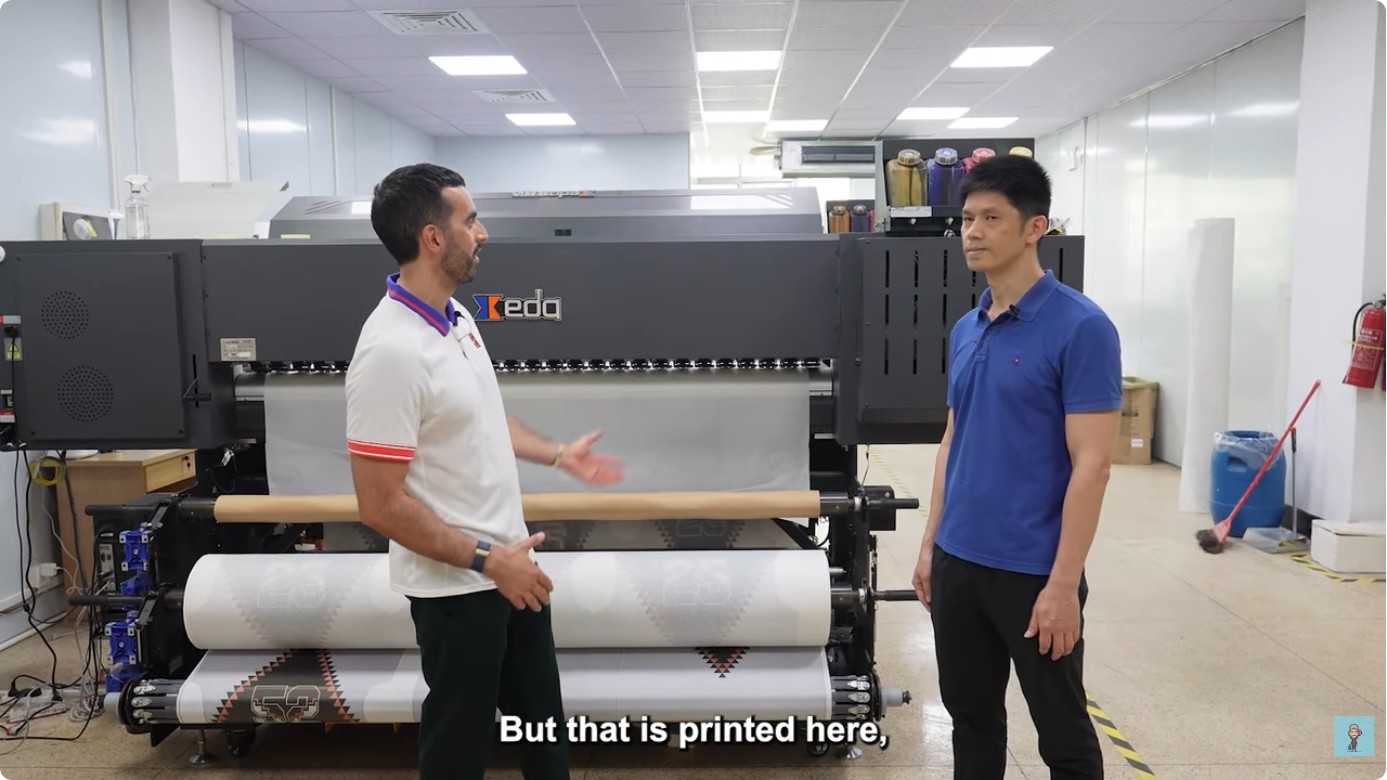
- Print/Embroidery: Specify technique (screen print, DTG, heat transfer, 3D embroidery). Request samples of your specific logo on the actual fabric to test for feel, durability, and placement.
- Labels & Tags: Ask for woven labels, printed care labels, and hangtags. Ensure compliance with local labeling regulations (e.g., FTC Care Labeling rules in the US).
- Fit & Sizing: Provide a detailed spec sheet with point-to-point measurements for each size. Request a pre-production sample (often called a “counter sample” or “approval sample”) fit on a real person or mannequin.
Sourcing & Production: A Buyer’s Checklist
Success depends on your preparation and communication. Use this checklist when engaging a potential manufacturing partner.
- Define Your Technical Package: A complete tech pack is non-negotiable for OEM. It should include: technical drawings, fabric and trim specifications, color standards (Pantone or similar), detailed construction notes, and a full size chart with measurements.
- Communicate Your End-Use: “This is for high-intensity gym training” or “This is for casual streetwear” changes fabric and construction recommendations dramatically.
- Request & Vet Samples: Never proceed without a physical pre-production sample. Check it against your spec sheet meticulously. Test the print/embroidery for cracking after a wash.
- Clarify the Supply Chain: Who sources the fabric? Can you approve the fabric swatch? Is the fabric mill certified (e.g., OEKO-TEX Standard 100, bluesign®)? This impacts lead time and cost.
- Discuss Quality Control (QC) Protocol: Who inspects? At what stages (in-line during production, final inspection)? What is the acceptable quality level (AQL) standard? Consider hiring a third-party inspection service (e.g., SGS, BV, Intertek) for orders over a certain value.
- Understand Logistics & Incoterms: Are you quoting FOB (Free On Board) Shanghai? Or DDP (Delivered Duty Paid) to your warehouse? This determines who pays for shipping, insurance, and customs duties. Get this in writing.
- Protect Your IP: Have a clear Manufacturing Agreement (NDA) that defines ownership of patterns, designs, and molds. For highly proprietary designs, consider filing design patents in relevant markets before production begins.
Navigating Tradeoffs: Cost vs. Quality, Speed vs. Control
Sourcing from China involves constant tradeoff management. Here are common decision points:
- Low MOQ vs. Unit Cost: A factory offering a 300-piece MOQ will charge significantly more per shirt than one with a 5,000-piece MOQ. Is the lower upfront investment worth the higher per-unit cost for your business model?
- Factory Location: Factories in Guangdong (Pearl River Delta) and Zhejiang (Yangtze River Delta) are industrial powerhouses with deep supplier networks. Smaller cities may offer slightly lower costs but with less developed logistics and potentially fewer English-speaking staff.
- Direct Factory vs. Trading Company: Direct factories can offer better pricing and technical control but may have higher MOQs and less flexible communication. A reputable trading company can manage smaller orders, handle communication, and aggregate orders from multiple clients but adds a margin. Vet both thoroughly.
- Lead Time: A realistic lead time from approval to shipment is 4-8 weeks for standard items. Complex items with custom hardware or digital printing can take 10-12+ weeks. Build buffer time for holidays like Chinese New Year, which can shut down production for weeks.
Final Questions Before You Commit
Before finalizing a partnership, ensure you have clear answers to these questions:
- Can they provide bank references or client case studies from brands in my market (e.g., US, EU)?
- What is their standard process for handling specification changes after production has started?
- What is their defect rate history, and how do they handle returns or replacements for defective goods?
- Do they have experience with the specific certifications I need (e.g., GOTS for organic, ISO 9001 for quality management)?
Understanding these layers transforms “Chinese sportswear brands” from a vague concept into a actionable sourcing strategy. The most successful buyers are those who invest time in building a clear technical brief, prioritize transparent communication, and implement a robust QC plan.
Planning to add these styles to your collection? We produce custom versions with your branding, fabric choice, and sizing — from sample to bulk. Contact our team for details.
Related guide: A Buyer’s Guide to Types of Men’s Shorts for Custom Sportswear