
Australian sports apparel has carved a distinct global reputation, blending high-performance functionality with a relaxed, lifestyle-oriented aesthetic. It’s built for the harsh Outback sun, coastal winds, and urban transitions, demanding more from fabrics and construction than many other markets. For wholesale buyers, fashion labels, and sports teams, understanding what defines this category is the first step toward sourcing or creating authentic, competitive products. This guide deconstructs the key elements of Australian sports apparel, translating them into actionable specifications for custom manufacturing, whether you’re replicating a classic look or innovating a new performance piece.
We’ll move beyond a simple list of brands to examine the tangible product characteristics—fabric technologies, design details, and fit philosophies—that define the category. More importantly, we’ll explore how these traits translate into factory requirements, quality checkpoints, and critical conversations you must have with your OEM/ODM partner to achieve the right result.
What Truly Defines Australian Sports Apparel?
It’s more than just a kangaroo logo. The category is defined by a unique set of environmental and cultural pressures that shape product development. The core value proposition is adaptable performance: gear that works for a morning surf, a hike in the Blue Mountains, a weekend cricket match, and then a casual coffee in the city, all without changing. This demands a specific toolkit of materials and design thinking.
Quick Orientation: The Australian Sports Apparel Signature
To quickly grasp the category’s DNA, consider these foundational pillars that separate it from generic activewear:
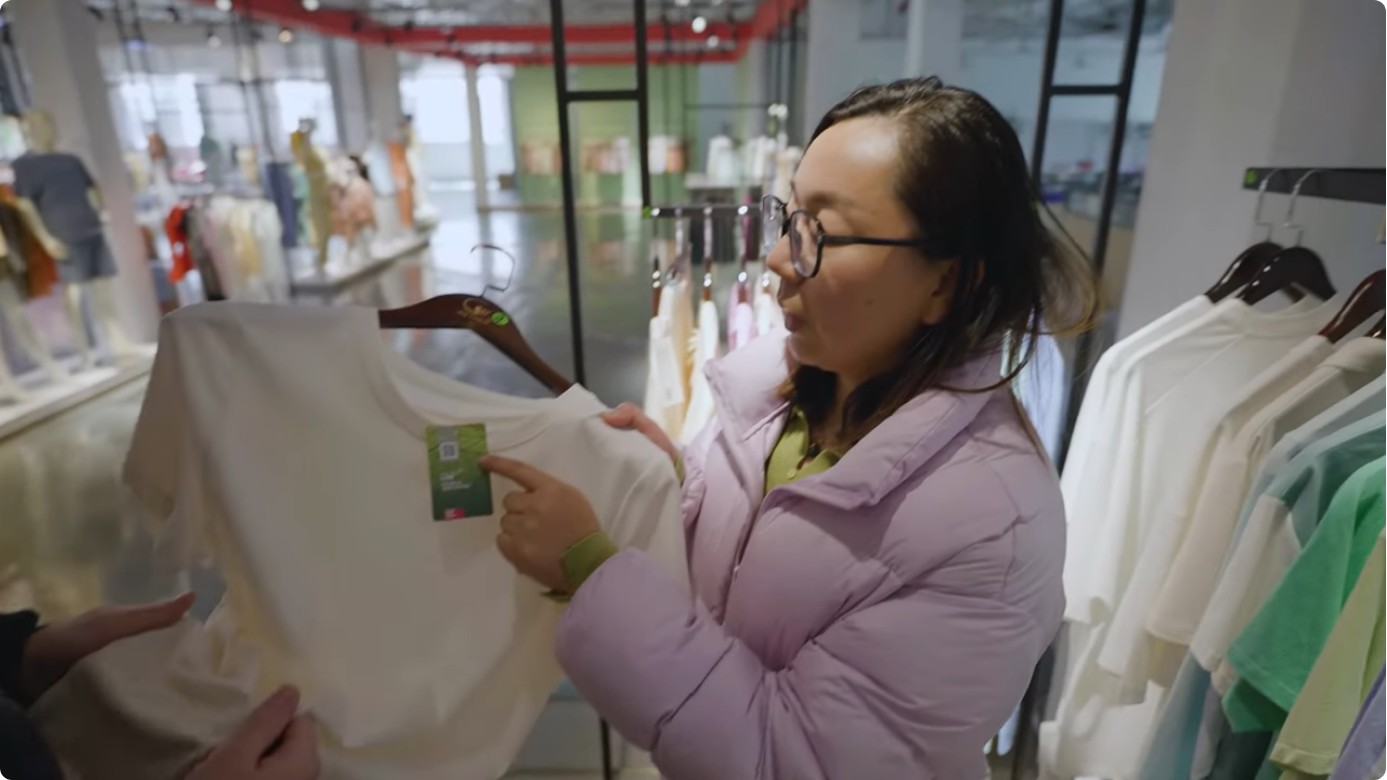
- Fabric First: Uncompromising focus on sun protection (UPF), moisture management in heat, and temperature regulation for volatile climates. Natural fibers like premium merino wool are staples, not niche.
- Lifestyle Integration: Pieces are designed to be worn beyond the activity. Clean lines, muted or earthy color palettes, and minimal branding are common, prioritizing versatility.
- Durability for Terrain: Construction must withstand scrub, sand, saltwater, and repeated washing. Seam integrity, abrasion resistance, and colorfastness are non-negotiable.
- Fit for Function: Often a relaxed or “athleisure” cut that allows full range of motion, but with a tailored, non-bulky silhouette suitable for public wear.
Decoding the Fabric: The Heart of the Product
For a custom manufacturer, the fabric selection is the single most critical decision that dictates cost, production processes, and the final product’s credibility. Australian brands are famous for their material science. As a buyer, you need to specify the right substrate for your target use case.
Natural Performance: The Merino Wool Standard
Merino wool, particularly from Australian sources, is a cornerstone. Its natural temperature regulation, odor resistance, and soft hand feel make it ideal for multi-day wear. When sourcing custom merino items:
- Specify micron count: This determines softness. For next-to-skin apparel like base layers or t-shirts, target 18.5 microns or finer. For outer layers like hoodies, 19-21 microns is acceptable and more durable.
- Demand ethical certification: Australian consumers and brands are highly attuned to animal welfare. Insist on RWS (Responsible Wool Standard) or ZQ Merino certification from your fabric supplier to ensure provenance and ethical treatment.
- Understand the blend: 100% merino is premium but can be less durable and more prone to pilling. Blends with nylon or spandex (e.g., 80/20 merino/nylon) are common for increased durability and shape retention. The blend ratio is a key spec you must lock down.
Engineered Synthetics: Technical Necessity
For high-intensity, wet, or extreme UV activities, engineered synthetics dominate.
| Fabric Type | Primary Strengths | Best Use Cases | Key Production Considerations |
|---|---|---|---|
| Recycled Polyester (rPET) | Moisture-wicking, durable, UV resistant, more sustainable narrative | Running t-shirts, training shorts, tracksuits | Ensure GRS (Global Recycled Standard) certification for claims. Can feel less breathable than natural fibers; may require specific knitting constructions. |
| Nylon (often ripstop) | Extreme abrasion & tear resistance, quick-drying, lightweight | Cargo pants, hiking shorts, windbreakers, outer shell layers | Typically needs a DWR (Durable Water Repellent) finish for water resistance. Coated or laminated fabrics add cost and require specialized bonding tech. |
| Spandex/Lycra Blends | Superior stretch & recovery, shape retention | Fitted base layers, compression wear, yoga/training tops | Percentage dictates fit. 5-10% is typical for comfort; 15%+ for compression. High spandex content requires precise cutting and sewing to avoid needle holes and stress points. |
Design & Construction: The Details That Signal Quality
Australian brands are often minimalist but meticulous. A generic t-shirt feels cheap; an Australian-inspired one feels considered. Here’s where that consideration is built:
Seams & Stitching
Flatlock seams are standard for performance wear to prevent chafing. For casual pieces, twin-needle stitching at stress points (shoulders, necklines, crotch) is expected. Ask your factory for their seam construction samples. Look for clean, even stitching with no loose threads. For heavy-use items like cargo pants, bartack reinforcements at pocket corners and belt loops are a minimum requirement.
Finishes & trims
- Necklines: Self-fabric binding on neck and armholes is a premium sign. Ribbed necklines in cotton/spandex are common for t-shirts but must have adequate recovery.
- Hemms: Clean, narrow hems on t-shirts and tunics. Double-folded hems on shorts and pants for durability.
- Zippers & Buttons: YKK or equivalent is the assumed standard. For outdoor gear, water-resistant zippers (e.g., Aquaguard) are specified. Buttons should be corozo (nut) or high-grade plastic, not cheap polyester.
- Labels: Many Australian brands use printed or tear-away neck labels for comfort. This requires specific machinery and a clear artwork file from you.
Sourcing & Production: The Buyer’s Checklist
Translating a design vision into a production-ready order requires clear communication. Here is a practical checklist for your pre-production phase.
Related guide: The Stand Collar Jacket for Women: A Sourcing & Style Guide for Brands & Buyers
1. The Tech Pack is Your Bible
A comprehensive tech pack is non-negotiable for accurate quoting and sampling. It must include:
- Detailed flat sketches with all measurements (point-to-point, not “size S/M/L”).
- Fabric and trim specs with swatches (fabric name, composition, weight like 180gsm, mill name if possible).
- Color references (Pantone codes are ideal, physical swatches are best).
- Stitch type, seam allowance, and special construction notes.
- Packaging and labeling instructions.
2. Understanding MOQs and Trade-offs
Minimum Order Quantities (MOQs) vary wildly by fabric, style, and factory.
- Cut & Sew: For custom woven fabrics or unique knits, MOQs can be 500-1000 units per style/color due to fabric minimums.
- Blank Garment Dyeing/Printing: Starting with stock blank garments (e.g., a standard t-shirt) allows for much lower MOQs, often 50-100 units, as you’re only adding value post-production. This is a common entry point for brands testing a market.
The Trade-off: Blank garment decor has limitations in fabric choice, fit, and trim. Full custom cut-and-sew offers complete control but requires larger commitment and longer lead times.
3. Quality Markers You Must Verify
Before approving bulk production, scrutinize the pre-production (PP) sample against this list:
- Fabric Hand & Weight: Does the sample match the approved swatch in weight (grams per square meter) and feel?
- Color Matching: Is the color consistent across fabrics and trims? Check in daylight and artificial light.
- Fit Model Approval: The sample must be fit on a model matching your size chart. Check mobility—can a wearer squat, run, or lift arms without restriction?
- Wash Test: Request the factory to wash the sample 5-10 times (following care label instructions) and send it back. Check for shrinkage, pilling, color fading, and seam integrity.
- Print/Embroidery: Check for crack resistance, stitch density, and placement accuracy after the wash test.
Navigating the “Australian Look” Without Being Generic
For buyers outside Australia, there’s a temptation to over-index on clichés (outback prints, excessive kangaroo motifs). The real opportunity lies in the underlying principles: durable simplicity, technical naturalism, and unpretentious utility. Focus on:
- Color Palettes: Draw from the landscape—sand, sage, slate blue, terracotta, charcoal. Avoid overly bright or neon colors unless for specific high-vis workwear.
- Fabric Story: Lead with material provenance. “Australian-merino wool blend” or “recycled PET from Australian plastic recovery programs” are powerful messages, but you must have the certification to back them.
- Functional Details: A hidden zippered pocket in a hoodie, a loop for a towel on a shorts’ waistband, a slightly longer back hem on a tee. These subtle utilitarian touches resonate deeply with the category’s ethos.
Final Questions Before You Source
Before you engage a factory or finalize your product line, ask yourself and your team:
- Have we defined our primary use case (e.g., high-intensity gym vs. casual all-day wear) and specified fabrics and construction accordingly?
- Do we have a certified tech pack that leaves no room for interpretation on fabric, color, and measurements?
- Have we budgeted for the higher cost of premium natural fibers or technical finishes that define authentic Australian-style performance?
- Is our target customer willing to pay a premium for the durability and lifestyle integration this category promises?
- Do we understand the lead time and MOQ implications of our chosen fabrication method (custom knit vs. blank garment decor)?
Planning to add these styles to your collection? We produce custom versions with your branding, fabric choice, and sizing — from sample to bulk. Contact our team for details.
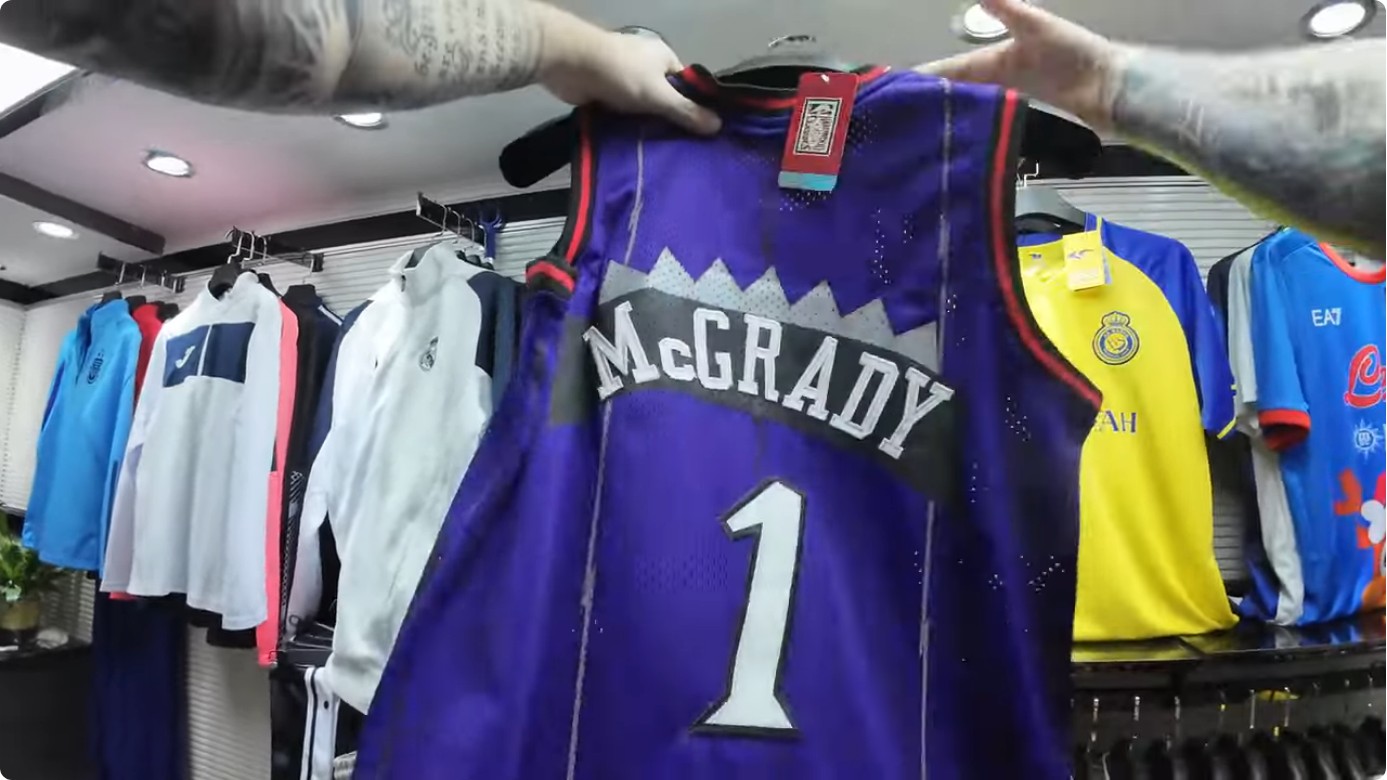
[…] a contrasting sourcing model, see our analysis of Australian sports apparel manufacturing, where distance from Asia forces different inventory tactics like holding 6 months of base […]