
When you think of German sportswear, specific traits come to mind: precision engineering, technical innovation, minimalist aesthetics, and an unwavering commitment to quality. Brands like Adidas (with its heritage in Herzogenaurach), Puma, and technical specialists like Mammut or Salewa have built global reputations on these foundations. For wholesale buyers, fashion brands, gyms, and sports teams, understanding what defines this category is more than an exercise in brand recognition—it’s a blueprint for sourcing and customizing high-performance apparel that meets exacting standards.
This guide moves beyond a simple brand list. We will deconstruct the core DNA of German sportswear—its material science, construction philosophy, and design ethos—and translate that into actionable insights for your custom manufacturing projects. Whether you want to emulate the clean functionality of a German streetwear line or source a tracksuit with the durability of alpine gear, knowing these benchmarks is critical for communicating with factories and setting realistic production goals.
What Truly Defines German Sportswear? Key Sourcing Characteristics
Before requesting quotes, a buyer must understand the non-negotiable characteristics that separate premium German-inspired sportswear from generic activewear. These are the quality markers you will need to specify to your factory.
1. The Engineering Ethos: Precision Over Trend
German design is rooted in functionality. Seams are often flat-locked or taped for reduced chafing and enhanced mobility. Patterns are engineered for anatomical fit, not just size scalability. This means pattern makers use sophisticated grading that maintains garment balance across sizes—a critical point to discuss during the tech pack development phase. For a custom buyer, this translates to higher pattern-making costs but yields a product that fits better and lasts longer, directly impacting customer satisfaction and return rates.
2. Fabric Innovation and Technical Standards
The German reputation is built on textile R&D. Look for garments that use:
- Advanced Synthetics: Brands like Adidas popularizedClimalite and Primeknit. For custom production, specifying branded performance fabrics (e.g., from textiles suppliers with certifications) is possible but impacts MOQ and cost.
- Blends for Purpose: A precise cotton-polyester ratio (e.g., 60/40) is chosen for specific breathability, stretch, and shrinkage profiles. Generic 50/50 blends won’t deliver the same hand-feel or performance.
- Certified Safety: For base layers or kids’ wear, OEKO-TEX Standard 100 certification is a common, non-negotiable requirement in the EU market. Your factory must be able to source certified fabrics and manage the certification process for your final product.
3. Minimalist Aesthetic with Intentional Details
Clean lines, subtle branding (often tonal or repositioned), and a lack of excessive graphics are hallmarks. The focus is on the garment’s form and function. For custom branding, this means your logo application method (embroidery, silicone print, woven label) must be executed with the same minimalist precision. A bulky, poorly placed print can instantly break the intended aesthetic.
Translating German Ideals to Custom OEM/ODM Production
You don’t need to be Adidas to access this level of manufacturing. The key is understanding the trade-offs and process requirements.
| German Sportswear Trait | Custom Production Implication | Key Question for Your Factory |
|---|---|---|
| Precision Fit & Pattern Engineering | Higher pattern-making cost; requires detailed tech packs with spec sheets and graded samples. | “Can you provide your pattern-making service, and what is the cost per style vs. using our provided patterns?” |
| Technical Fabric Sourcing | MOQs for branded/specialty fabrics can be very high (often 5,000+ meters). Lead times extend. | “What is your minimum order quantity for fabrics like 4-way stretch polyester with moisture-wicking treatment? Can you source OEKO-TEX certified fabrics?” |
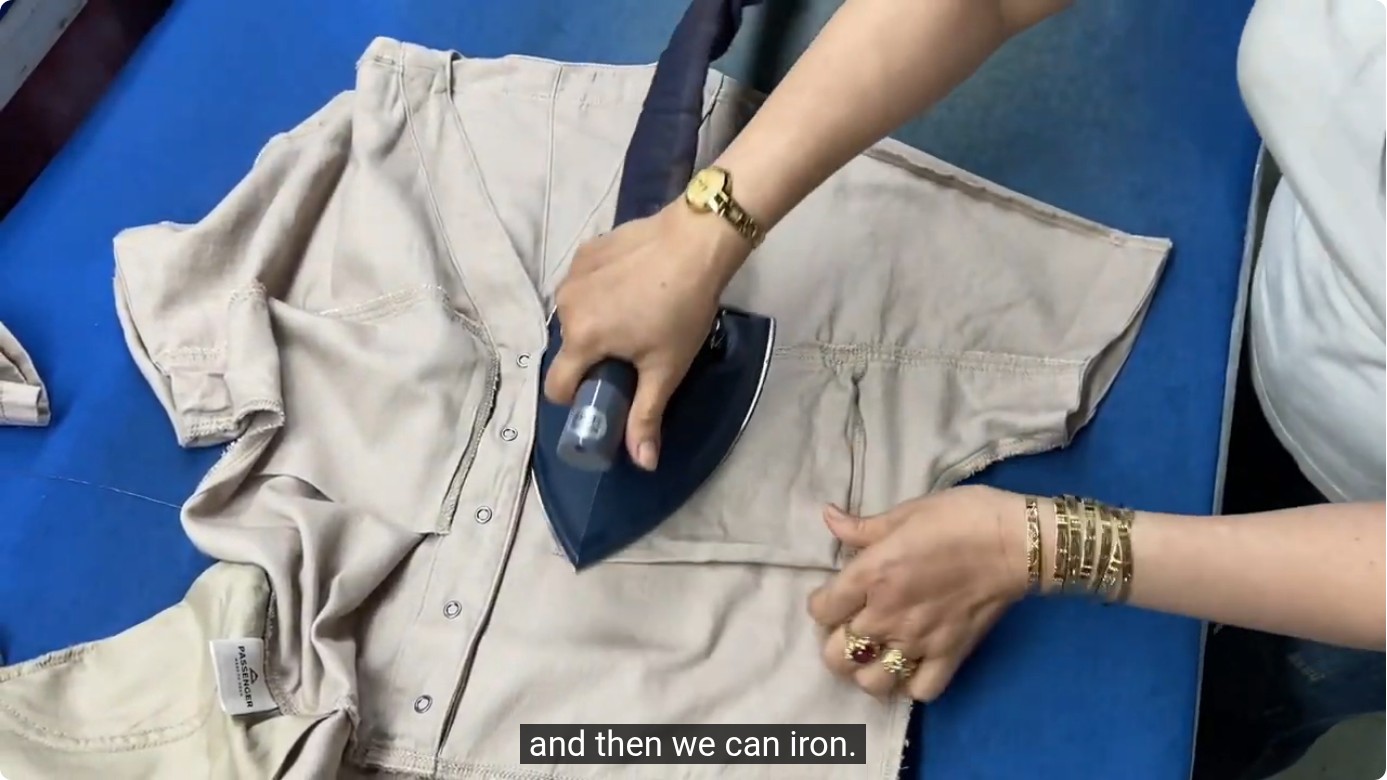
| Minimalist Construction | Flat-lock stitching requires specialized machinery. Taped seams add labor and material cost. | “What is your capacity for flat-lock sewing on items like raglan tees or leggings? Is taped seam construction standard or an upcharge?” |
| Quality Control Rigor | Expect AQL 1.0 or 1.5 inspection standards. Pre-production samples are crucial and iterative. | “What is your standard AQL for final inspection? Describe your proto-sample approval process and who bears the cost for revisions.” |
Realistic Production Parameters: MOQs, Costs, and Timelines
German-quality manufacturing is rarely “cheap.” The value is in longevity and performance. Here is what to expect:
- Minimum Order Quantities (MOQ): For OEM production using standard fabrics and constructions, MOQs of 500-1,000 pieces per style/color are typical for reputable factories. For ODM (using the factory’s own designs), MOQs can be lower (200-500) as they are already tooled for those styles. Expect significantly higher MOQs (2,000+) if you require a specific, branded performance fabric.
- Cost Structure: The largest variables are fabric choice and construction complexity. A simple cotton t-shirt with standard stitching will have a lower base cost. A seamless tank top with 4-way stretch, moisture-wicking, and flat-lock hems will command a 30-50% premium. Always request a cost breakdown in your quote (fabric, trim, labor, testing, QC).
- Lead Times: From approved tech pack and sample to final delivery, plan for 8-12 weeks for a standard order. Complex items with special fabrics or multiple colorways can extend to 16+ weeks. This timeline is non-negotiable for quality; factories rushing precision work often incur defects.
The Buyer’s Checklist: Pre-Order Verification
Before committing, verify these points with your potential manufacturing partner. Treat this as a due diligence filter.
- Audit Their Portfolio: Do they have physical samples (not just photos) of garments that match the German aesthetic you’re targeting? Examine the stitch density, seam finishes, and fabric hand.
- Probe Their Fabric Chain: Ask for mill names and certifications for their key performance fabrics. A factory that can’t name its fabric supplier or provide certs is a red flag for consistency.
- Understand Their Sample Process: How many paid sample rounds are included in the quote? What is the expected turnaround for each? A good factory will charge for the first proto but deduct or absorb costs for subsequent revisions if errors were on their end.
- Clarify Subcontracting Policy: Do they perform all key processes (cutting, sewing, finishing) in-house? Subcontracting, especially for embroidery or complex bonding, can lead to quality control blind spots.
- Request a Past QC Report: A reputable factory will share anonymized final inspection reports for a similar product. Look for defect rates below 2% for major categories.
Common Pitfalls and How to Avoid Them
Sourcing “German-style” sportswear presents unique challenges. Here’s how to navigate them:
- Misinterpreting “Minimalist” as “Simple”: Minimalist design requires flawless execution. A slightly crooked stitch on a geometric panel is glaringly obvious. Ensure your quality standards section in the contract explicitly calls out visual defect criteria.
- Under-Specifying Fabric Performance: “Breathable” is subjective. Specify grams per square meter (GSM), moisture-wicking rates in mL/h, and UPF protection levels if applicable. Reference industry standards from bodies like AATCC for performance testing.
- Ignoring Fit Model Costs: German brands fit on diverse, real-world fit models. Budget for 2-3 fit samples on your actual model demographic (e.g., “athletic build” or “tall”). Skipping this leads to poor final fit and costly post-production alterations.
- Overlooking Trim Quality: Zippers, elastics, and labels must match the garment’s premium feel. A cheap #5 coil zipper on a high-end jacket feels jarring. Source trim specs from the factory and approve physical swatches.
Frequently Asked Questions (FAQs)
Q: Can I get a lower MOQ if I’m a new brand?
A: Possibly, through ODM programs where you select a factory’s existing design and apply your branding. MOQs can drop to 200-300 units. However, you sacrifice unique design ownership. For full OEM with custom patterns, 500+ is the realistic floor for quality-focused factories.
Q: How do I communicate the “German” aesthetic without sounding pretentious?
A: Use visual references and objective specs. Instead of saying “make it German,” provide a mood board with specific competitor garments. Then, in your tech pack, state requirements: “All seams inside leg of leggings to be flat-locked,” “no external branding on side panels,” “fabric must have a minimum 20% elastane content with recovery rate > 85%.”
Q: Is it worth the cost for a small gym or team order?
A: For a one-off team kit, probably not. The premium for German-style construction is best amortized over larger volumes (500+). For a boutique gym building a premium private-label apparel line for members, it can be a strong differentiator. Consider starting with one hero product (e.g., a perfectly fitted performance hoodie) to test the market.
If you’re looking to source or customize any of the styles mentioned above, our factory offers low MOQ OEM/ODM production with full sampling support. Get a free quote today.