
For wholesale buyers, fashion entrepreneurs, and gym owners, the phrase “Italian sportswear brands” carries a specific weight. It signals a benchmark of quality—in fabric, construction, and design—that transcends mere aesthetics. But what exactly defines this category, and more importantly, how can you leverage its principles for your own custom apparel line? This guide moves beyond the glossy lookbooks to dissect the tangible elements that make Italian sportswear a global reference point. We’ll explore the manufacturing DNA behind these brands and translate it into actionable insights for your OEM or ODM project, whether you’re producing premium tracksuits or performance-driven basics.
Whether you’re comparing factories in Veneto or selecting fabrics for your startup brand, understanding this ecosystem is key. It’s not about licensing a name; it’s about adopting a methodology centered on material science, subtle innovation, and artisanal rigor. This article will serve as your orientation, breaking down the hallmarks of Italian sportswear and providing a framework for specifying, sourcing, and producing garments that meet this formidable standard.
What Constitutes an “Italian Sportswear Brand”?
The term encompasses a spectrum. At one end are the heritage luxury houses like Moncler (for downwear) and Stone Island (for innovative outerwear), which built their reputations on technical fabric research and radical construction. At the other are the “luxury sportswear” pioneers like Lululemon‘s European operations or Arc’teryx‘s manufacturing presence in Italy, which outsource production to Italian mills and factories for their superior capabilities. The common thread is not necessarily an Italian company ownership, but a供应链 deeply rooted in Italian textile districts like Biella (wool), Como (silk and technical knits), and the Veneto region (knitwear and sportswear assembly).
For a buyer, this means “Italian sportswear” often refers to garments manufactured within this specialized ecosystem, utilizing its raw materials, machinery, and skilled labor. This distinction is critical when setting your project’s quality targets and budget.
Key Features of Italian Sportswear: The Manufacturing Perspective
When evaluating samples or briefing a factory, look for these core differentiators. They are the result of specific investments in sourcing and production.
1. Fabric First: The Mill is the Brand
The most significant differentiator is the fabric. Italian textile mills, many family-run for generations, operate more like R&D labs than commodity suppliers. They specialize in:

- Proprietary Blends: Micro-modifications of cotton, polyester, nylon, and elastane (Lycra®) to achieve precise hand-feel, moisture management, and durability. A factory using Italian-milled fleece from a mill like Mascioni or Progetto will have a distinct advantage in softness and resilience.
- Advanced Finishing: Garment-dyeing, silicone washes, and enzyme treatments applied at the mill or in specialized finishing houses to create lived-in textures and unique color palettes that are difficult to replicate elsewhere.
- Consistent Quality Batches: Italian mills are renowned for tight tolerances in yarn count and fabric weight (gsm), meaning your order of 500 hoodies will feel uniformly premium from the first to the last piece.
Sourcing Implication: You must explicitly request fabric samples from specific Italian mills (or their licensed distributors) in your tech pack. A generic “high-quality cotton jersey” will not yield the Italian result. Be prepared for a 20-40% premium on fabric cost over standard Asian mill fabrics.
2. Precision Construction & Seam Design
Italian sportswear often employs construction techniques that prioritize comfort and clean aesthetics:
- Flatlock and Bonding: Seams are minimized. Flatlock stitching reduces bulk and chafing, while seamless bonding (using ultrasonic welding or special adhesives) creates a smooth, second-skin feel, common in high-performance base layers.
- Reinforced Stress Points: You’ll find bar-tacking or zig-zag stitching at pocket corners, shoulder seams, and plackets, executed with a neatness that doesn’t detract from the garment’s silhouette.
- Attention to Interfacing: Collars, cuffs, and waistbands use specialized, soft-interfacing that provides structure without stiffness.
Production Note: These techniques require specific machinery (flatlock machines, bonding presses) and more skilled operators. They will impact your MOQ (Minimum Order Quantity) and per-unit cost. A factory without this equipment will either decline the job or substitute inferior methods.
3. Subtle Innovation, Not Flash
Innovation is often internal: a hidden zippered vent, a carefully placed mesh panel, a dual-knit construction that regulates temperature. The design philosophy is “function first, visible second.” For custom buyers, this translates to requesting functional details over purely decorative ones. Ask your manufacturer about their capabilities for:
- Hidden functionalities (e.g., media pockets with headphone ports)
- Thermoregulatory fabric placements
- Ergonomic pattern shaping (e.g., raglan sleeves for freedom of movement)
Use Cases: Who Buys This Caliber of Sportswear?
The investment in Italian-standard manufacturing is justified by specific market positions:
Also read: Sourcing ‘Preppy’ Style Apparel: A Manufacturer’s Guide to Vineyard Vines-Inspired Looks
- Premium Activewear Brands: Brands selling at $80-$200+ per piece need the fabric and construction story to justify their price point.
- Luxury Streetwear & Hybrid Collections: Brands blending athletic and casualwear use these techniques to create a perceived value that stands out in a crowded market.
- High-Performance Sports Teams & Clubs: Professional or affluent amateur teams that require durability, moisture-wicking, and a tailored fit for competition and travel.
- Corporate & Retailer Premium Lines: Large retailers developing a “premium private label” to compete with established brands.
If your target retail price is under $40 for a t-shirt, pursuing full Italian-standard manufacturing is likely a misalignment of cost and market value. The strategy then becomes to source *specific components* (e.g., an Italian-made rib collar) to elevate a more cost-effective base garment.
Sourcing & Custom Manufacturing: A Practical Decision Framework
Navigating this space requires a clear strategy. Here is a comparative framework for your production approach.
| Production Approach | What It Means | Typical MOQ | Key Consideration for Buyer |
|---|---|---|---|
| Direct from Italian Factory (OEM) | Hiring a factory in Italy (e.g., in the Veneto region) to produce your exact design. They source fabrics from their network of local mills. | 500-1,000+ units per style | Highest cost, but highest control and authenticity. Requires detailed tech packs and logistical management. Best for established brands with capital. |
| ODM from Italian-Focused Asian Factory | Partnering with a factory in regions like Portugal, Tunisia, or even China/Turkey that specializes in “Italian-style” production. They use Italian-made machinery, follow Italian construction standards, and source fabrics from Italian mills or their top-tier Asian equivalents. | 300-800 units per style | Best value compromise. You get 85-95% of the Italian quality and aesthetic at a lower cost and often lower MOQ. Requires rigorous vetting of the factory’s portfolio and fabric swatches. |
| Component Sourcing (Hybrid) | Manufacturing the garment in a non-Italian factory but specifying key Italian-made components (e.g., fabric from a specific mill, rib trims, special zippers). | Can be as low as 100 units | Most flexible. Allows you to add a “crafted in Italy” component story to your marketing at a manageable cost. Communication is key—specify the exact mill and component codes. |
The Essential Pre-Production Checklist
Before committing to a sample or production run, verify the following with your manufacturer:
- Fabric Source Documentation: Can they provide mill names, fabric compositions, and certifications (e.g., Oeko-Tex Standard 100) for the proposed materials?
- Physical Sample vs. Tech Pack: Does the physical sample match the tech pack in stitch density, seam type, and weight? Use a ruler and magnifying glass.
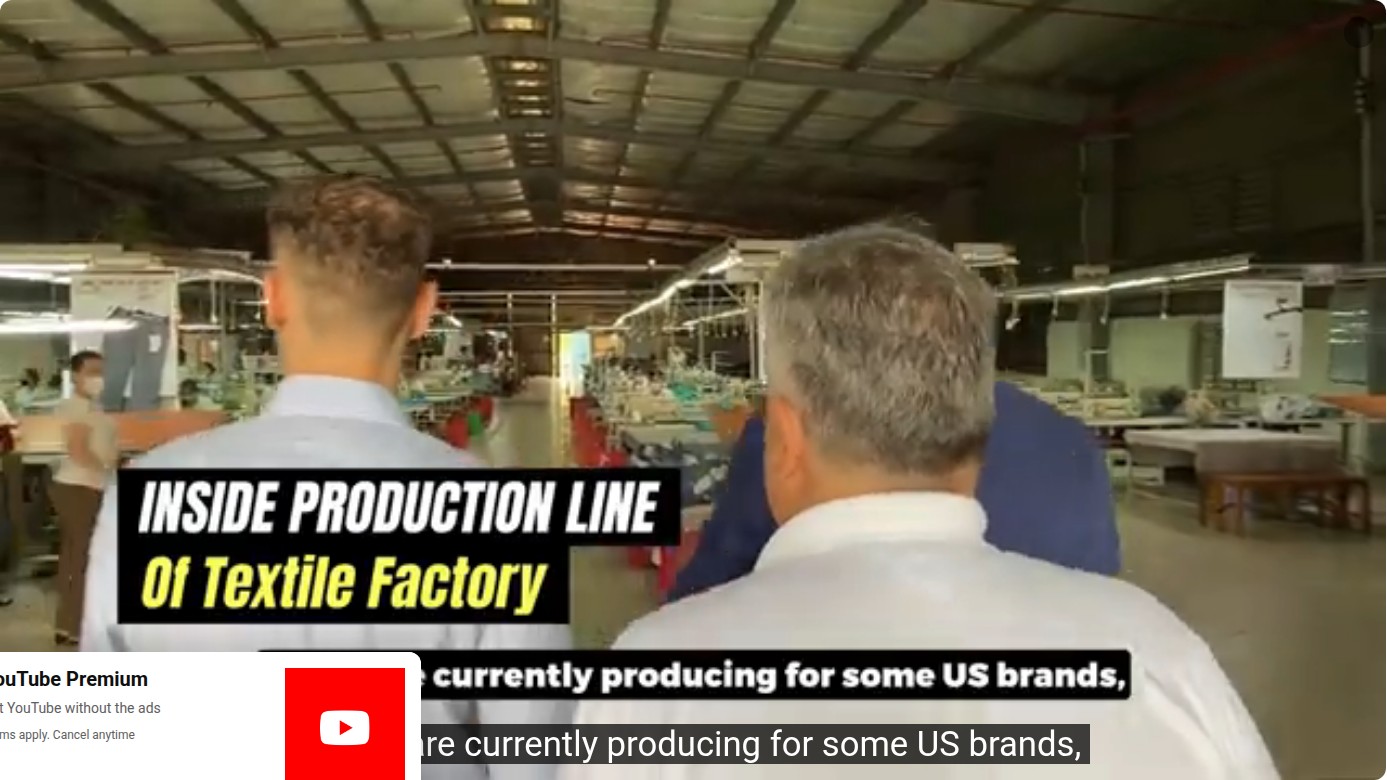
- Machinery & Skill: Ask directly about their flatlock, serger, and bonding capabilities. Request photos of their production floor with similar garments in progress.
- Finishing Details: Check label quality, hangtag composition, and polybag type. Italian-standard brands obsess over these final touchpoints.
- Pre-Production (PP) Sample Approval: Never skip this. The PP sample, made with production fabric and on production machines, is your only real guarantee.
Common Pitfalls & How to Avoid Them
- Mistaking “Made in Italy” for “Designed in Italy”: A design created elsewhere but manufactured in an Italian factory is not the same as a garment born from the Italian textile ecosystem. Your factory’s location is less important than their fabric sourcing network and construction standards.
- Under-Specifying Fabric: “Heavyweight cotton” is meaningless. Specify: “320gsm, 100% cotton, ring-spun, combed, garment-dyed, sourced from [Mill Name or equivalent spec].”
- Ignoring Color Matching: Italian brands have signature color palettes. Use a physical color standard (like Pantone® or a client-provided fabric swatch) and insist on a lab dip approved before production.
- Overlooking Shrinkage: High-quality, dense knits can shrink differently. Require pre-shrunk fabric or a wash test report from your factory.
Conclusion: Defining Your “Italian Standard”
For your custom sportswear project, “Italian” should be a quality benchmark, not a geographic checkbox. It means specifying premium materials, demanding clean and functional construction, and understanding that these attributes require skilled artisans, advanced machinery, and a collaborative factory partner. Your task is to translate this benchmark into a clear, detailed tech pack and to vet manufacturers not just on price, but on their proven ability to execute these details.
Frequently Asked Questions
Q: Can I get Italian-quality sportswear made in Asia?
A: Yes, absolutely. Many factories in countries like China, Vietnam, and Portugal have invested heavily in Italian machinery and have technical teams trained in Italian construction methods. The key is selective sourcing—finding a factory that explicitly markets “Italian-style” or “premium technical” capabilities and can prove it with client portfolios and fabric mill relationships. This is often the most viable path for scalable custom production.
Q: What is a realistic MOQ for a custom hoodie with Italian-milled fleece?
A: For a direct Italian factory, expect 500-1,000 pieces. For an “Italian-specialist” factory in Portugal or Tunisia, MOQs can be 300-500. For a hybrid approach using Italian fabric but a standard factory, you might find MOQs as low as 200, but the construction quality will be the variable.
Q: How much more expensive is true Italian manufacturing?
A> Expect a 30-70% increase in unit cost compared to standard offshore production for similar styles. This premium covers fabric (20-40% higher), skilled labor (higher wages), and often smaller-scale, more meticulous production runs. The decision hinges on whether your market will bear the resulting retail price.
Whether you’re a startup brand or an established retailer, we manufacture custom sportswear at competitive MOQs. Reach out to start your project.