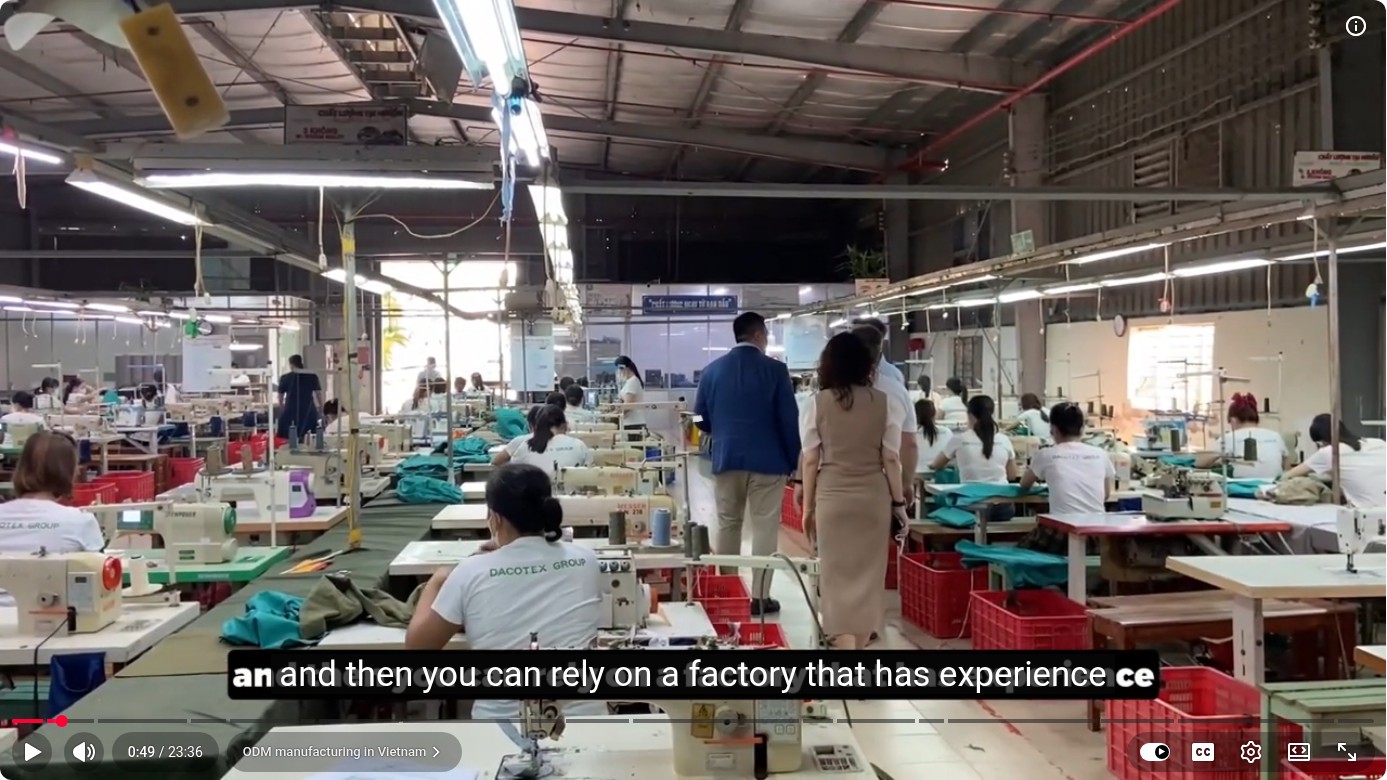
When you’re ordering custom t-shirts, hoodies, or tracksuits for your brand, gym, or sports team, the term “screen printing” is the standard industry phrase. You may also hear the older term “silk screening.” For all practical sourcing and manufacturing purposes, these two terms refer to the identical core process: pushing ink through a mesh stencil onto fabric. The confusion stems from history—silk was once the mesh material—but today, it’s all synthetic polyester mesh.
This guide cuts through the semantics and focuses on what actually matters to you as a buyer: how the process performs on performance fabrics, its cost structure for different order volumes, its visual and tactile results, and where it stands relative to other decoration methods like embroidery or DTG (Direct-to-Garment) printing. Understanding these nuances helps you specify the right method for your custom activewear project, avoid production surprises, and get the best value and quality from your manufacturer.
Process Overview: It’s All the Same Technology
Whether a factory calls it silk screening or screen printing, the steps are identical:
You may also like: From Sketch to Sample: How Technical Clothing Design Drives Successful Custom Sportswear Production
- Artwork Separation: Your design is split into separate color layers. Each color requires its own printed film positive.
- Screen Preparation: A fine mesh screen (almost always polyester today) is coated with a light-sensitive emulsion. The film positive is exposed to light, hardening the emulsion where it’s covered and washing away where the design is, creating a stencil.
- Ink Application: The screen is mounted on a press. Ink is placed on the screen and a squeegee is pulled across, forcing ink through the open mesh areas and onto the garment below.
- Curing: The printed garment passes through a conveyor dryer or is heat-pressed, curing the ink for washability and durability.
The key variables that change the outcome are the ink type (plastisol, water-based, discharge), mesh count (fineness of the screen), and the number of colors. These are the levers your manufacturer adjusts based on your fabric and design.
Head-to-Head Comparison: Key Decision Factors
Since the process is the same, we compare based on practical production outcomes, cost drivers, and suitability for different sportswear applications.
| Factor | What It Means for You | Implications for Sportswear |
|---|---|---|
| Setup Cost & Minimums | Each color requires a separate screen. Screen creation (coating, exposing, washing) is manual labor, creating a per-color setup fee. Most shops have a minimum order quantity (MOQ) of 24-72 pieces per design to amortize this cost. | Ideal for mid-to-large runs (50+ units). Prohibitively expensive for one-offs or samples. For a 5-color logo on 100 hoodies, you’re paying for 5 screens. Simple, 1-2 color designs are most cost-effective. |
| Per-Unit Cost | Very low after setup. Each additional shirt adds minimal cost—mostly ink, a tiny bit of electricity, and labor time. The cost curve flattens quickly as volume increases. | The go-to for bulk team orders, event giveaways, and core brand inventory. A 500-piece run of a 2-color design on t-shirts will have a dramatically lower unit cost than a 50-piece run. |
| Design Complexity | Each distinct color needs its own screen. Gradients, halftones (photographs), and thousands of color transitions are impractical. Halftone dots can simulate gradients but require precise registration and higher mesh counts. | Best for bold, solid-color logos, text, and graphic shapes. Complex, full-color artwork is a poor and expensive fit. Consider DTG printing or sublimation for photographic designs on polyester. |
| Fabric Compatibility | Works on virtually any fabric: cotton, cotton/poly blends, polyester, nylon. The critical choice is ink type. Plastisol (PVC-based) sits on top of fabric, great for opacity on dark colors but less soft. Water-based inks soak into fabric, feeling softer but potentially less opaque on darks. Discharge inks remove dye from 100% cotton, leaving a soft, print-free feel. | Highly versatile for activewear. For polyester performance wear (moisture-wicking tees, nylon shell jackets), you must use polyester-specific inks that cure correctly. A good manufacturer will know this. Blends offer flexibility. |
| Durability & Feel | Plastisol creates a slightly raised, plastic-like feel that can crack over time if not cured properly. Water-based and discharge prints are much softer and more durable on cotton. Ink thickness is controllable; a “halftone” or “simulated process” print uses thin ink layers for detail but may be less durable than a solid flood print. | For high-movement sportswear, ink flexibility matters. Stiff plastisol prints on stretchy yoga pants or across joints can feel restrictive and may crack. Specify a soft-hand water-based ink for premium activewear where feel is critical. For team jerseys that take heavy abrasion, a durable plastisol or poly ink is reliable. |
| Placement Limitations | Relatively flat surfaces are easiest. Printing on seams, thick collar seams, pockets, or curved areas like sleeves or crotch gussets requires special screens, pallet tape, or manual skill, increasing cost and risk of misregistration. | Standard placements:** Left chest, center back, sleeve. Challenging/expensive:** Across the back yoke, on a thick hoodie kangaroo pocket, on the side seam of leggings. Discuss placement geometry with your supplier early. |
| Color Matching | PMS (Pantone Matching System) color matching is standard and highly accurate with plastisol inks. Water-based inks can shift slightly when drying. | Critical for brand consistency. You can specify exact Pantone colors. Ensure your manufacturer uses a color-matching system and provides a lab dip (sample) for approval, especially for key brand colors. This is a standard part of the sampling process. |
| Environmental & Health Notes | Traditional plastisol inks contain PVC and plasticizers (some with potential phthalates). Modern “low-cure” and “phthalate-free” plastisols exist. Water-based inks are generally considered more eco-friendly and have a lower odor during printing. | Relevant for eco-conscious brands. If sustainability is a selling point, explicitly ask for water-based or discharge options and inquire about ink certifications (e.g., Oeko-Tex Standard 100). Be aware that water-based inks on dark polyester are very difficult. |
Fabric-Specific Considerations for Activewear
The choice isn’t just “screen printing vs. something else,” it’s “which screen printing ink for this specific fabric?” Your sportswear fabric dictates the ink.
100% Cotton (Jersey, Fleece)
The most straightforward substrate.
- Plastisol: Excellent opacity. The industry workhorse for cotton tees and hoodies. Best for bright, bold colors on darks. Feel can be heavy.
- Water-Based: Softer, more “vintage” feel. Great for premium basics. Less opaque on dark fabrics—may require a white underbase (an extra screen and print pass).
- Discharge: Removes dye instead of adding ink. Results in an incredibly soft, print-free feel (the ink becomes part of the fabric). Only works on 100% cotton, not blends. Colors are limited to what the garment dye can be discharged to (typically lighter tones).
Cotton/Poly Blends (Common in Performance Tees)
e.g., 60/40, 50/50 blends.
- Polyester-Blend Plastisol: Necessary. Standard cotton plastisol won’t cure properly on the polyester component, leading to cracking and poor washfastness. Requires higher cure temperatures.
- Water-Based: Possible but tricky. Needs special “low-cure” or hybrid inks. Opacity on dark blends is a challenge. Must be tested.
- Recommendation: For consistent results on blends, plastisol formulated for synthetics is the safest, most durable bet. Discuss sample approval.
100% Polyester (Moisture-Wicking, Performance Wear)
This is where specialized knowledge is critical. Polyester melts at standard plastisol cure temperatures (320°F/160°C). Using the wrong ink ruins the garment.
- Polyester-Specific Plastisol (“Poly Ink”): Formulated to cure at lower temperatures (around 280-300°F/138-149°C). Still has a slight feel but is durable. This is the standard for polyester activewear.
- Water-Based Poly Inks: Exist but are less common, more expensive, and can be finicky. Not typically recommended for high-volume production unless feel is an absolute priority.
- Important: Polyester fabrics can be prone to “dye migration” (where the garment’s color stains into the white or light ink). Quality manufacturers use a “blocker” or “barrier” underbase ink to prevent this. This adds a screen and cost.
Nylon & Technical Shells (Jackets, Rainwear)
- Requires nylon-safe inks that won’t melt the fabric coating.
- Often involves a heat-press application rather than traditional screen printing to accommodate the waterproof/breathable membranes.
- Usually best handled by specialists. Provide your fabric spec to your manufacturer for validation.
When Screen Printing Is Not the Right Choice
For all its strengths in bulk, screen printing has clear limitations for custom sportswear sourcing:
- Full-Color, Photographic Designs: The “simulated process” (using 4-6 halftone screens) can achieve this but is expensive to set up, can look muddy, and isn’t durable on performance fabrics. Alternative: Sublimation printing (for 100% polyester) or DTG printing (for cotton-rich fabrics) for unlimited colors with no setup fees for small runs.
- Extremely Small Runs (1-12 pieces): The screen setup cost per shirt becomes astronomical. Alternatives: DTG printing, heat transfer vinyl (HTV), or embroidery (which has a different cost structure).
- Highly Detailed, Fine Line Work: Very fine details can fill in with ink or suffer from registration errors between screens. DTG or embroidery may capture detail better.
- All-Over, Repeating Patterns: Screen printing is for localized graphics. For an all-over print on leggings or a full garment, sublimation or cut-and-sew fabric printing is required.
Sourcing & Production Guidance: What to Specify
To get an accurate quote and the result you expect, you must provide your manufacturer with specific details. Vague requests lead to assumptions, which lead to disappointment.
Essential Specifications for Your RFQ (Request for Quotation)
- Fabric Composition & Weight: “100% cotton, 30/1 combed cotton, 180gsm” or “60/40 cotton/poly blend, 5.6oz.” This is the single most important factor for ink selection and price.
- Artwork: Provide a high-resolution vector file (AI, EPS, SVG). Specify which colors are Pantone (PMS) references. Indicate if any colors are translucent or require special effects (metallic, glitter, glow-in-the-dark).
- Print Locations & Approximate Sizes: “Left chest logo, 4″ wide. Full back print, 12″ tall below collar. Right sleeve, 3″ wide.” A sketch or mockup helps immensely.
- Quantity Per Style/Color/Size: Screen setup is per design, not per garment. A run of 100 shirts with the same back print and different chest logos (even if small text) still requires two screens. Group sizes together under one design quote.
- Desired Ink Type/Feel (if you have a preference): “We want a soft-hand water-based print for a premium feel on 100% cotton tees.” or “For these polyester performance tees, we need a durable poly plastisol that won’t crack.” If unsure, ask your supplier for their recommendation based on your fabric and use case.
The Sample Approval Process is Non-Negotiable
Never proceed to full production without approving a pre-production sample (often called a “strike-off” or “puff” sample). This is a single garment printed with the exact screens, inks, and on the exact fabric you will receive. It verifies:
- Color accuracy (against your Pantone reference)
- Registration (alignment of multiple colors)
- Ink feel and opacity
- Placement
Factor the cost and time for this sample (usually 1-2 weeks) into your production schedule.
Quick Decision Guide
Still unsure? Use this flowchart:
- Is your order volume > 50 pieces? → Yes → Screen printing is likely your most cost-effective option.
- Is your design 1-3 solid colors? → Yes → Screen printing is a perfect, efficient fit.
- Is your fabric 100% cotton, a blend, or polyester? → Yes → Screen printing works on all, but you must specify the correct ink type for polyester.
- Is your design a full-color photo or complex gradient? → No → Screen printing is still good. → Yes → Consider DTG (for cotton) or sublimation (for polyester) instead.
- Is your order < 24 pieces? → Yes → Screen printing setup costs will dominate. Explore DTG, HTV, or embroidery.
Conclusion: The Workhorse of Custom Sportswear
Screen printing (silk screening) remains the backbone of custom apparel manufacturing for excellent reason: it is scalable, durable, color-accurate, and cost-effective for the runs that matter to brands and teams. Its “weaknesses”—setup costs and color limits—are actually its strengths, forcing efficient, bold design decisions that work brilliantly on sportswear.
Your success hinges on communicating your fabric, design, and quantity clearly to a knowledgeable manufacturer. The right partner will guide you to the optimal ink type for your specific activewear and manage the technical details of curing and registration, ensuring your custom hoodies, tees, or tracksuits look professional and last through training sessions and game days.
Common Questions from Buyers
Can you screen print on stretchy fabrics like performance leggings or compression shirts?
Yes, but with caveats. The print must be placed on a flat, non-stressed area (e.g., side hip, lower back). Printing across high-stretch zones like the seat or inner thigh will cause cracking as the ink cannot stretch like the knitted fabric. The ink must also be a flexible poly-based ink. Always get a sample on your exact fabric.
What’s the difference between “standard” and “soft-hand” screen printing?
“Standard” typically refers to plastisol ink, which sits on top of the fabric and has a noticeable, sometimes rubbery, hand. “Soft-hand” refers to using either water-based inks (which soak into cotton fibers) or using a “flood” stroke with plastisol to create a thinner ink layer. Soft-hand prints are more desirable for premium, next-to-skin activewear but can be less opaque on dark colors and may have slightly less abrasion resistance.
Is embroidery or screen printing better for a sports team jacket?
It depends on the design and budget. Screen printing is superior for large, multi-color logos (e.g., a full-back team crest with many colors). Embroidery is classic for small, simple chest logos (1-3 colors) and adds a premium, textured feel that doesn’t crack. For a team, a common combination is an embroidered chest logo with screen-printed player name and number on the back. Evaluate based on your logo’s complexity, desired aesthetic, and budget per garment.
Do I need to worry about the ink being “eco-friendly” or “safe” for athletic wear?
For most B2B orders, standard industry-compliant inks are fine. However, if your brand markets sustainability or you’re producing for schools/children, you should ask. Specify a need for inks that are phthalate-free (common in modern plastisols) or certified to standards like Oeko-Tex Standard 100. Water-based inks are generally a safer, lower-VOC choice. Your manufacturer should be able to provide material safety data sheets (MSDS) for their inks upon request.
We manufacture all the styles discussed in this guide — with custom labels, fabric options, and print or embroidery finishing. Tell us what you need.
Also read: Beverly Hill Polo Club Shoes: Sourcing, Customization, and Production Guide for Brands
More advice: GSM Hoodie Meaning: A Sourcing Guide for Brands & Buyers