
In the world of custom activewear, the terms “singlet” and “tank top” are often used interchangeably by consumers, but they represent distinct categories with significant implications for performance, branding, and production. For brands, gyms, and sports teams sourcing custom apparel, understanding these differences is critical to specifying the right garment for your end use and your customer’s expectations. Choosing incorrectly can lead to dissatisfied clients, poor performance perception, and wasted inventory. This guide breaks down the technical and practical distinctions from a manufacturer’s perspective, providing the clarity needed to make an informed sourcing decision.
We’ll compare singlets and tanks across key dimensions: fit and construction, fabric and function, typical use cases, and their visual and branding impact. More importantly, we’ll translate these differences into actionable production notes—highlighting cost considerations, customization limitations, and the critical specifications you must communicate to your manufacturer to get the exact product you envision.
Defining the Garments: Beyond the Name
The core distinction lies in origin and intent. A singlet (also commonly called a “raceback” or “muscle tank” in some markets) is a performance-first garment. It is engineered for athletic movement, with a focus on minimizing restriction and maximizing breathability. Its hallmark is a racerback or “T-back” strap configuration—a wide central strap that splits into a ‘T’ shape on the back, exposing the shoulder blades and upper back to allow for a full range of motion in activities like running, swimming, or weightlifting.
A tank top (or simply “tank”) is a broader fashion and lifestyle category. While it can be made from performance fabrics, its defining feature is the strappy or wide shoulder strap design that leaves the shoulders bare. The strap configuration is highly variable—from thin spaghetti straps to wide “athletic” straps—and is not inherently linked to a specific performance cut. The tank’s primary drivers are style, comfort in warm weather, and casual branding.
Side-by-Side Comparison: Key Specifications
For a quick, actionable overview, here is a comparison of the two styles across the most relevant sourcing and production criteria.
| Feature | Singlet (Raceback) | Tank Top |
|---|---|---|
| Primary Strap Style | Definitive racerback (T-shaped back strap). Often has a wider central strap for support. | Varied: Straight straps, wide athletic straps, spaghetti straps, halter styles. No single defining back configuration. |
| Fit & Cut | Fitted, athletic, or compression-oriented. Seams and fabric are designed to move with the body, not against it. Often features raglan or set-in sleeves for armhole mobility. | Range from loose and flowy to fitted. The armhole (scye) can be larger and more relaxed. Often a straight, less tailored silhouette. |
| Typical Fabric Weight | Lightweight to ultra-lightweight (e.g., 120-180 GSM for performance knits). Prioritizes moisture-wicking, quick-dry, and minimal bulk. | Broader range: from lightweight (for summer tees) to mid-weight (for branded promotional wear). Can include cotton, cotton-blends, and heavier knits. |
| Fabric Focus | Technical performance: polyester, nylon, recycled poly, mesh. Key attribute: moisture management. | Versatile: cotton, slub cotton, polyester, blends, jersey, rib knit. Comfort and drape are often prioritized over extreme performance. |
| Key Use Cases | Competitive sports (track & field, swimming, triathlon), gym training, running, high-intensity workouts. Performance and team uniformity are paramount. | Lifestyle apparel, casual wear, resort wear, promotional events, yoga/pilates (when made from soft fabrics), team warm-ups (non-competitive). |
| Visual & Branding Effect | Looks athletic, serious, and performance-driven. The racerback silhouette is an immediate visual cue for sport. Branding is typically on the chest or upper back, visible during forward motion. | Looks casual, trendy, or relaxed. Offers larger, flatter surface areas (front, back, straps) for elaborate graphic prints or embroidery. More fashion-flexible. |
| Customization Notes | Strap width and shape are fixed by pattern. Print/embroidery must account for curved back strap area. Fabric choices are limited to technical knits/mesh. | High versatility: strap width/neckline can often be modified. Works with a vast array of fabrics and finishes. Print placement is generally simpler. |
| Typical Cost Point | Mid to high. Technical fabrics and specific pattern cutting can add cost. Often ordered in performance-specific runs. | Wide range. Basic cotton jersey tanks are very cost-effective. Premium fabrics or complex construction increase price. |
Deep Dive: Fit, Fabric, and Function
The Anatomy of Fit: Movement vs. Silhouette
The singlet’s racerback isn’t just a style choice; it’s a functional necessity. The design eliminates shoulder seam bulk and restriction, allowing for full extension of the arms overhead (crucial for swimming strokes, throwing motions, or lifting). The armhole is cut deep and often with a raglan sleeve pattern to prevent chafing during repetitive motion. When sourcing a singlet, you must confirm the manufacturer’s pattern is designed for athletic movement, not just a tank with a racerback cut applied.
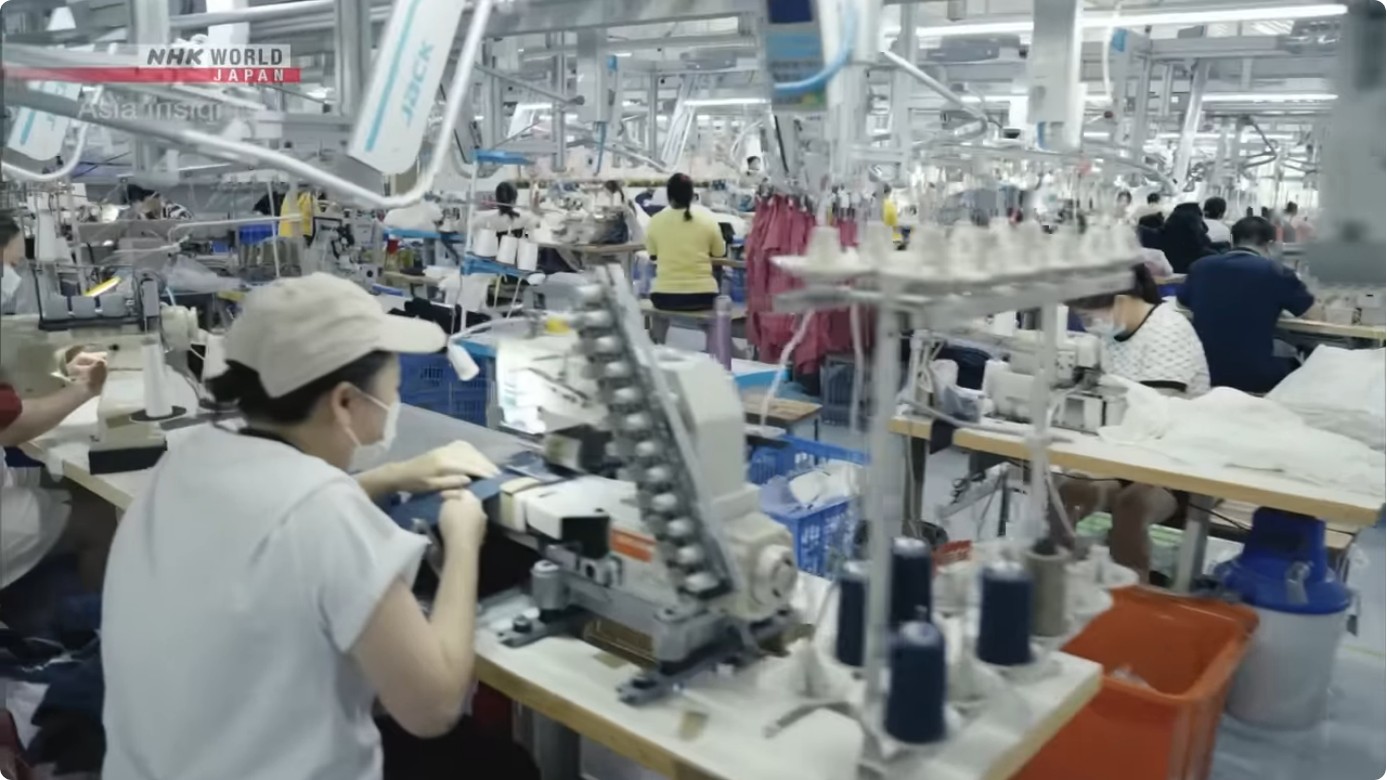
Tank tops, by contrast, prioritize a versatile silhouette. The armhole can be higher and less aggressive, and the shoulder strap placement is more variable. This makes tanks suitable for a wider range of body types and activities where extreme mobility isn’t the primary goal. For brands, this means a tank pattern is more likely to be used as a base for creating custom neckline and strap variations.
Fabric is Function: Material Dictates Performance
This is the most critical production decision. A singlet made from 100% cotton will fail its primary purpose—it absorbs sweat, becomes heavy, and dries slowly. For singlets, you must specify performance-engineered knits. Look for fabrics with specific certifications or descriptions:
- Moisture-Wicking / Quick-Dry: The non-negotiable baseline. The fabric should actively pull sweat to the surface to evaporate. (OEKO-TEX Standard 100 certification is a good baseline for safety, but ask for performance specs).
- Breathability & Mesh Panels: Many singlets incorporate mesh in high-sweat zones (back, sides). This is a specific construction detail to request.
- UV Protection: For outdoor sports, some technical fabrics offer UPF ratings (e.g., UPF 50+). This is a value-add feature.
Tank tops open the fabric palette. While they can absolutely use the same performance fabrics as singlets (and often do for yoga or running tanks), they can also successfully use:
- Mid-weight cotton jersey (for a classic, soft feel)
- Slub cotton or linen blends (for a textured, casual look)
- French terry or fleece (for heavier, lounge-style tanks)
- Rib knit (for a more structured, retro athletic look)
Trade-off: The more fashion-forward the fabric (e.g., slub cotton), the less inherent performance it will have. You may need to apply a performance treatment, which adds cost and can affect hand feel.
More advice: Soccer Squad Sizes: A Buyer’s Guide to Ordering Custom Kits
Use Case Scenarios: Matching Product to Purpose
Your choice should be dictated by your customer’s activity and your brand’s position.
- Scenario 1: A Competitive Running Team. Order singlets. The racerback is expected, the lightweight performance fabric is mandatory, and the visual uniformity during a race is key. Customization will likely be limited to chest logo and small back neck logo.
- Scenario 2: A Gym or CrossFit Box Selling Retail. This is a common point of confusion. For general gym apparel, a tank top made from a mid-weight, durable performance blend (e.g., 92% poly, 8% spandex) is often the better retail seller. It’s more versatile, can handle bolder graphics, and feels substantial. A singlet might be seen as too “racer-specific” for daily gym wear by some members. However, if the gym’s brand is intensely performance-focused, a high-quality singlet could work.
- Scenario 3: A Fashion Brand’s Summer Collection. Choose a tank top. You have the freedom to play with strap widths, necklines (crew, scoop, V-neck), and fabric textures. The garment is a canvas for style, not a tool for sport.
- Scenario 4: A Corporate Wellness Event or Promotional Giveaway. A basic tank top in a lightweight cotton or cotton-poly blend is the most cost-effective and widely acceptable choice. It’s comfortable for casual wear and provides a large print area.
Production & Sourcing Decision Guidance
When you request a quote, vague terminology leads to inaccurate samples and quotes. Here is what you must specify.
What to Specify for a Singlet:
- Pattern: “Racerback singlet” or “T-back singlet.” Provide a sketch or reference image showing the exact strap width and back shape.
- Fabric: Specify GSM (grams per square meter) and composition (e.g., 150gsm, 100% polyester, moisture-wicking knit). Request fabric swatches and performance test data if possible.
- Fit: “Athletic fitted,” “compression,” or “relaxed fit.” This dictates pattern grading.
- Construction Details: Flatlock seams (to reduce chafing), hem type (coverstitched, blindstitched), and any specific paneling.
What to Specify for a Tank Top:
- Strap & Neckline: This is your primary variable. Describe: “wide 2-inch athletic straps,” “spaghetti straps,” “halter neck,” “crew neck.”
- Fabric: Be explicit about the look and feel: “medium-weight cotton jersey (180gsm),” “slub cotton blend,” “performance stretch knit.”
- Fit: “Fitted,” “semi-fitted,” “oversized.” Provide body measurements for key sizes (S, L, XL) to lock down the pattern.
- Hem: Straight hem, curved hem, or split hem.
Which is More Commonly Ordered as Custom?
Tank tops are ordered more frequently in custom manufacturing. Their versatility across fashion, promotional, and light-athletic markets gives them a broader commercial appeal. The pattern is simpler and adapts to more fabric types. However, singlets have a more stable, high-value niche in performance sports and team uniforms. The demand is consistent and less trend-driven, but it requires more technical expertise from the manufacturer.
Final Decision Checklist: Is It a Singlet or a Tank?
Before finalizing your design and placing an order, run through these questions:
- Primary Activity: Is the wearer engaging in high-intensity, competitive, or repetitive motion sports? (Lean Singlet)
- Visual Cue: Do you want the garment to immediately signal “serious athlete” or “performance team”? (Lean Singlet)
- Fabric Requirement: Is moisture-wicking, lightweight, and quick-dry the #1 requirement? (Mandatory for Singlet, optional for Tank)
- Branding Canvas: Do you need large, flat surfaces for complex graphics or branding on the back? (Tank often offers more space)
- Fashion Flexibility: Is the garment part of a trend-focused collection where strap style and fabric texture are key? (Lean Tank)
- Budget vs. Performance: Is a technical performance fabric within the cost target, or is a more affordable, versatile fabric needed? (Tank offers more budget flexibility)
The choice between a singlet and a tank top is a foundational decision that cascades through your entire custom apparel project—from fabric sourcing and pattern making to final print placement and customer satisfaction. By understanding these core distinctions and communicating with precision, you ensure your custom product aligns perfectly with its intended use and market.
Ready to Specify Your Custom Activewear?
Whether you need technical singlets for a competitive swim team or versatile, fashion-forward tanks for a lifestyle brand, clarity in specification is the first step to a successful production run. We manufacture all the styles discussed in this guide — with custom labels, fabric options, and print or embroidery finishing. Tell us what you need.