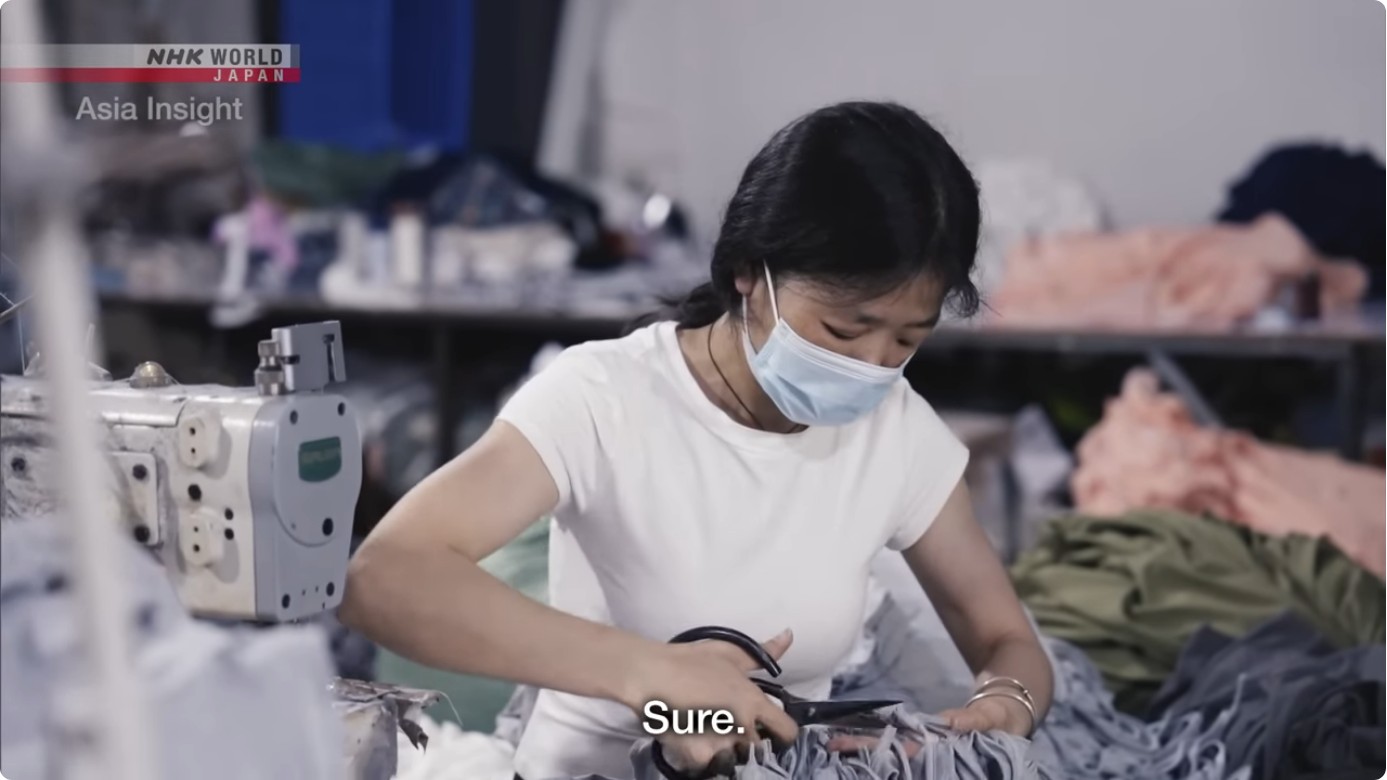
For wholesale buyers, fashion brands, gyms, and sports teams, the phrase “sportswear manufacturer China” represents a gateway to scalable, cost-effective production. China’s manufacturing ecosystem for activewear is unparalleled in its scale, speed, and specialization. However, navigating this landscape successfully requires more than just finding a low price. It demands an understanding of production capabilities, quality benchmarks, and the intricacies of the OEM (Original Equipment Manufacturer) and ODM (Original Design Manufacturer) models that define the industry.
This guide cuts through the noise to provide a actionable framework for sourcing custom sportswear. We’ll move from the high-level strategic decisions to the granular details of fabric selection, fit approval, and quality control, ensuring your partnership with a Chinese factory yields consistent, high-quality products that meet your market’s demands.
What Matters Most: The Core Sourcing Triangle
When evaluating potential partners, three factors form the critical foundation of your decision. Neglecting any one can lead to project failure, regardless of the factory’s reputation.
Helpful tip: The Complete Guide to Ladies Volleyball Shorts: From Performance Features to Custom Manufacturing
- Cost vs. Quality Alignment: The lowest bid is rarely the best value. China’s manufacturing spectrum ranges from mass-market basics to premium technical wear. Your target price point must align with the required fabric performance, construction techniques (e.g., flatlock stitching vs. standard serger), and finishing details. A factory specializing in high-performance running gear will have different cost structures than one producing basic cotton gym t-shirts.
- Communication & Process Maturity: Language is the surface issue. The deeper challenge is process transparency. A capable manufacturer will use project management tools, provide detailed production timelines, and assign a dedicated English-speaking sales/QC contact. Ask about their sampling process, how they handle design revisions, and their protocol for reporting production delays.
- MOQ (Minimum Order Quantity) Realism: MOQs vary wildly by product. A simple cotton tee might have an MOQ of 500 units, while a complex, multi-fabric tracksuit could require 2,000+. Crucially, understand if the MOQ is per style, per color, or per fabric run. For new brands, finding a factory with flexible, lower MOQs is often the first major hurdle.
The Product Spectrum: What Can Be Custom Made?
Chinese factories offer comprehensive OEM/ODM services across the activewear category. Here’s a breakdown of common categories and their typical production considerations.
Core Basics (T-Shirts, Hoodies, Sweatshirts)
These are the entry points for most new brands. Production is highly standardized, which generally means better pricing and shorter lead times (typically 4-8 weeks after approval). Key decisions revolve around fabric composition (e.g., 100% cotton, cotton/polyester blends, brushed fleece) and weight (GSM – grams per square meter). Fabric sourcing is a major variable; some factories use their own mill-sourced fabrics, while others allow you to specify or even provide fabric. For performance basics, inquire about moisture-wicking treatments and anti-pilling finishes.
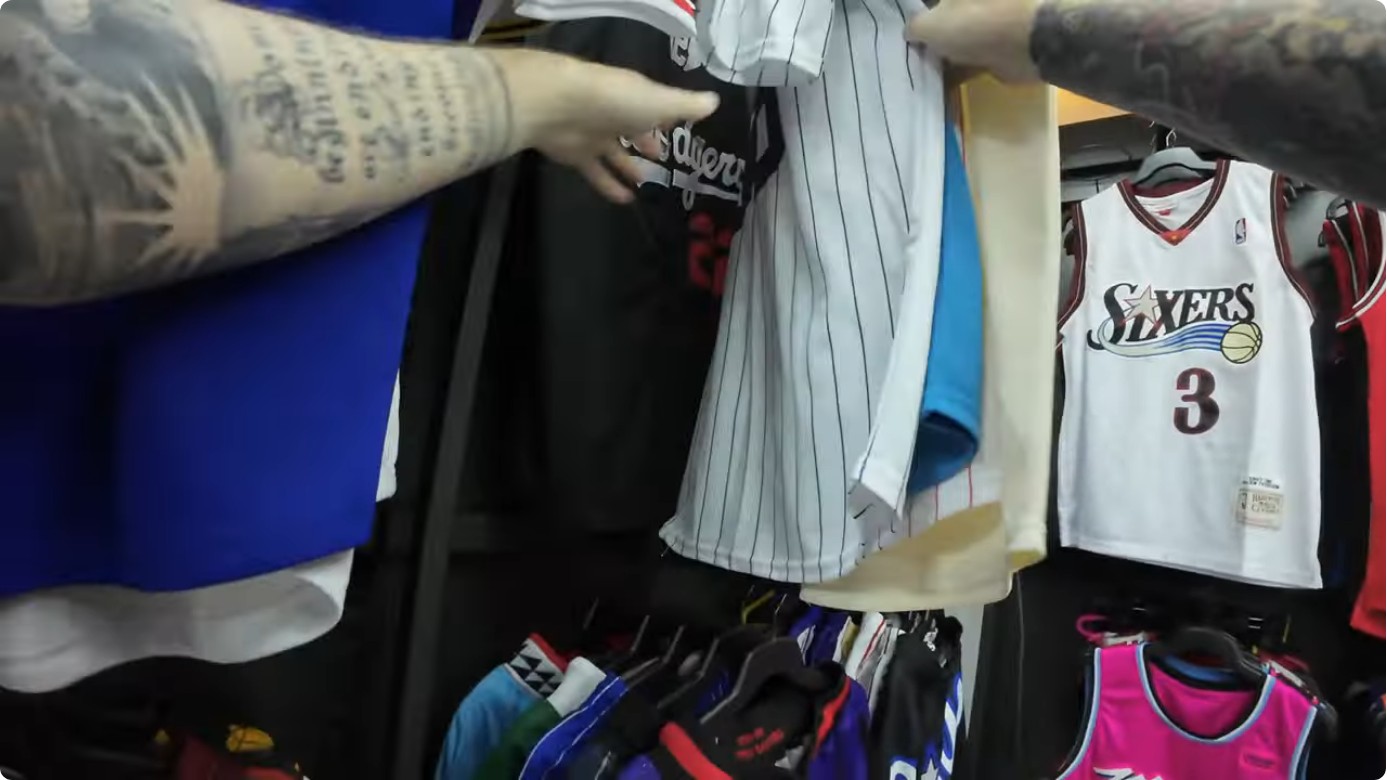
Performance & Technical Apparel (Tracksuits, Cargo Pants, Tank Tops)
This segment requires higher expertise. Look for manufacturers with dedicated production lines for technical fabrics like polyester interlock, nylon ripstop, or elastane blends. Critical specifications include:
- Seam Construction: Flatlock seams for chafing reduction.
- Feature Integration: Zippered pockets, hidden phone pockets, reinforced knee panels.
- Fabric Treatments: DWR (Durable Water Repellent) coatings, UV protection, antimicrobial finishes.
Lead times are longer (6-12 weeks) due to complex cutting and sewing. MOQs are typically higher. Request fabric swatches with any applied treatments to verify hand feel and performance claims.
The Customization Journey: From Concept to Container
Whether you’re providing a complete design (OEM) or need a factory to develop it (ODM), the process follows these key stages. Understanding each stage helps you communicate effectively and avoid costly revisions.
| Stage | Your Action & Key Deliverables | Factory’s Responsibility | Red Flags |
|---|---|---|---|
| 1. Inquiry & Quote | Provide tech pack (detailed drawings, specs, fabric references) or reference samples. Clarify target quantity, size range, and budget. | Review specs, source fabrics/components, provide preliminary cost and lead time estimate. | Vague quotes, no itemization of fabric, labor, and accessories. |
| 2. Sampling | Review and approve pre-production (PP) sample. Fit, fabric, color, and construction must be 100% approved. | Produce sample using final fabrics and trims. Implement fit adjustments if needed. | Rushing to bulk production without a signed-off sample. One sample for everything. |
| 3. Production | Be available for queries. Consider arranging a mid-production inspection. | Cut fabric, sew, apply prints/embroidery, wash/finish, pack. | No production tracking system. Resistance to inspection requests. |
| 4. QC & Shipping | Conduct final inspection (in-house or via 3rd party). Review packing list and container load plan. | Perform internal QC. Prepare shipping documents (commercial invoice, packing list, certificate of origin). | Shipping before final approval. Incomplete or inaccurate documentation. |
Critical Quality Markers: What to Inspect
Your inspection checklist should focus on these areas, which separate acceptable sportswear from sub-par goods.
- Fabric Integrity & Consistency: Check for color shade variation between garments (dyelot matching), fabric weight consistency, and the absence of holes or pulls. For knits, ensure even gauge.
- Stitching & Seams: Stitches per inch (SPI) should be consistent and appropriate for the fabric (higher SPI for lightweight, technical fabrics). Seams should lie flat without twisting. Stress points (shoulder seams, crotch gussets) require bar-tacking or reinforced stitching.
- Printing & Embroidery: Test print adhesion by rubbing. Embroidery should be dense, with no loose threads or puckering of the underlying fabric. Logos must be precisely placed according to the approved sample.
- Fit & Symmetry: Measure a sample set against your spec sheet. Check for sleeve length equality, side seam alignment, and collar symmetry. garment measurement consistency is paramount for customer satisfaction.
- Finishing Details: Zippers should operate smoothly. Drawstrings should be secured with stops. Labels (care, size, brand) must be correctly positioned, legible, and securely attached. No stray threads or fabric debris inside.
Navigating Tradeoffs & Common Pitfalls
Sourcing from China involves balancing competing priorities. Here are the most common tradeoffs and how to mitigate them.
- The “Cheap Sample, Expensive Production” Trap: A factory may produce an excellent sample using premium materials not intended for bulk production. Insist on using the exact bulk-production fabric for your sample, or have a separate “bully sample” made from the actual production fabric bolt.
- Communication Gaps Leading to Spec Drift: Assumptions are your enemy. Every detail—stitch type, label placement, packaging method—must be documented in your tech pack and explicitly confirmed in writing. Use visuals and measurements, not just descriptions.
- Intellectual Property (IP) Concerns: For unique designs, work with a reputable, established factory. Consider having a simple non-disclosure agreement (NDA) signed before sharing sensitive tech packs. For highly proprietary designs, some brands opt to source generic blanks and apply all branding (prints, embroidery) in their home country.
- Shipping & Duty Realities: Quoted prices are almost always FOB (Free On Board) a Chinese port. You must budget for freight, insurance, customs clearance, and import duties (vary by country and product classification, e.g., HTS codes). A shipped cost is your true landed cost.
Frequently Asked Questions (FAQs)
What is a realistic MOQ for a custom print t-shirt?
For a simple cotton tee with a single-color print, MOQs can start at 500-1,000 pieces per style/color. Technical fabrics or all-over prints will push MOQs higher.
How do I verify a factory’s quality claims?
Request a factory audit report if they have one (e.g., from a previous client). Ask for references from brands in your similar product category. Always, always order and rigorously inspect a pre-production sample before bulk production.
How long should I expect the entire process to take?
From approved tech pack to shipment at port, plan for 8-16 weeks. Sampling and approval cycles (especially if fit changes are needed) can add 2-4 weeks alone. Shipping by sea adds 4-6 weeks transit; air freight is 5-10 days but significantly more expensive.
Is ODM or OEM better for my new brand?
ODM is ideal if you have a style concept but lack design expertise—the factory adapts their existing sample. OEM is for brands with fully developed designs. ODM often has slightly higher MOQs but can be faster to market as patterns are pre-made.
If you’re looking to source or customize any of the styles mentioned above, our factory offers low MOQ OEM/ODM production with full sampling support. Get a free quote today.
More advice: The Complete Guide to Sourcing & Customizing Jerseys for Your Brand or Team