
When clients reference brands like Brunello Cucinelli, they’re often pointing to a specific aesthetic and quality benchmark: understated luxury, impeccable construction, and a commitment to timeless style over fleeting trends. While Brunello Cucinelli itself operates in the high-end luxury casual and tailoring space, the principles that define its success are directly applicable to the premium activewear and custom sportswear market. For a B2B buyer or brand owner, understanding what makes such a brand desirable is the first step toward sourcing or creating garments that command similar respect and retail value.
This article translates the hallmarks of luxury casualwear into a practical framework for sourcing custom activewear. We’ll break down the tangible features—from fabric to fit—that signal quality, and explore how to specify these elements in an OEM/ODM manufacturing context. Whether you’re building a high-performance athleisure line or a luxury-inspired basics collection, the lessons from brands like Brunello Cucinelli provide a blueprint for differentiation.
The Core Pillars of Premium Brand Perception
Brands like Brunello Cucinelli cultivate an aura of exclusivity through consistent execution on a few key pillars. For a custom manufacturer, these pillars become the checklist for a premium product offering.
1. Fabric as the Foundation
The feel of a garment is the most immediate sensory cue of quality. Luxury brands invest heavily in fiber selection, yarn innovation, and finishing techniques. In activewear, this translates to a focus on:
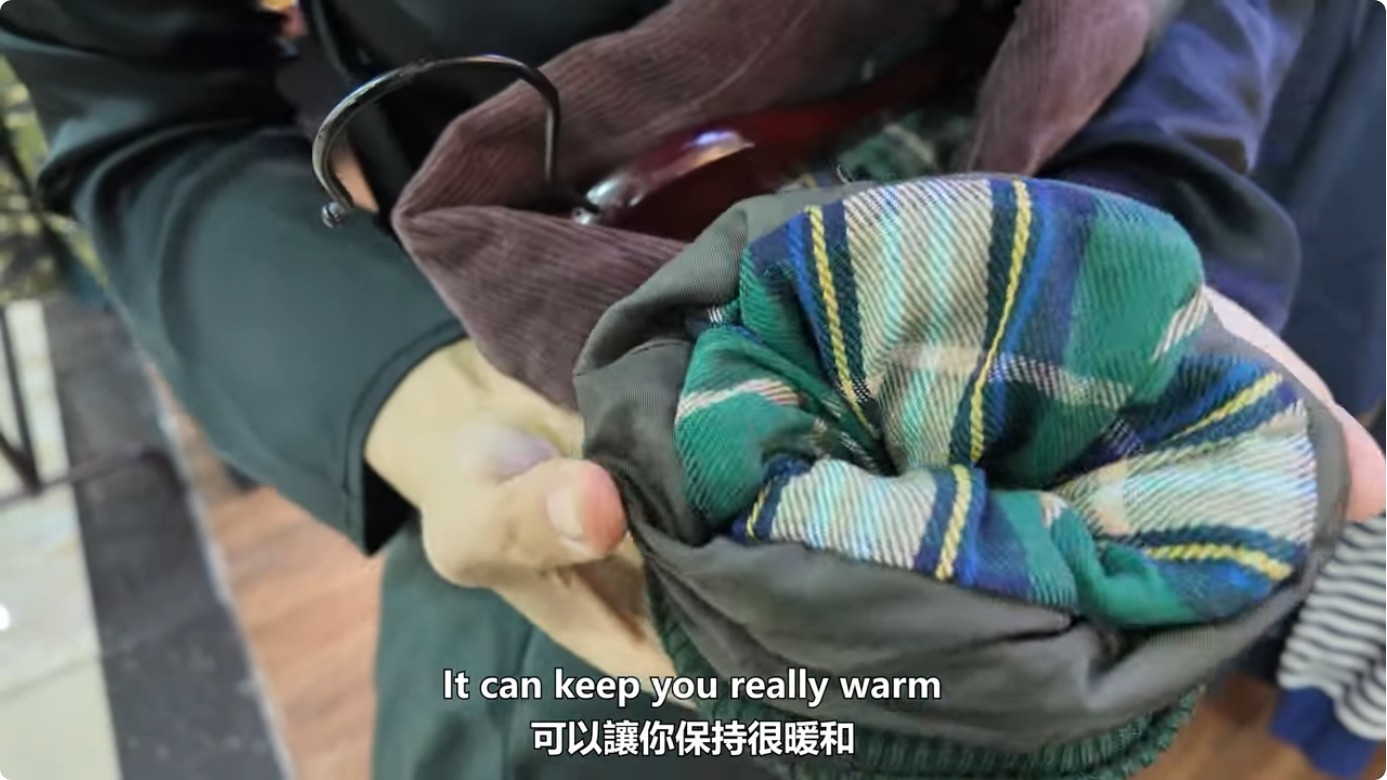
- Fiber Origin & Blends: Premium activewear often moves beyond standard polyester. Consider Supima® cotton (known for its longer staple fibers), TENCEL™ Lyocell for softness and drape, or high-tenacity nylon for durability. Blends like cotton-polyester with a higher cotton ratio (e.g., 60/40) can offer a more luxurious hand-feel while maintaining performance. Supima is a trusted source for information on premium cotton.
- Fabric Construction: The weave or knit structure matters. For hoodies and sweatshirts, a dense, brushed French terry or a loopwheeled jersey (if available at scale) feels substantially more premium than a standard fleece. For woven cargo pants or tracksuit bottoms, a tight, uniform twill or ripstop suggests superior milling.
- Performance Finishes: Luxury doesn’t mean sacrificing function. Look for moisture-wicking treatments, anti-odor finishes (like Oeko-Tex Standard 100 certified safe chemistry), and durable water-repellent (DWR) coatings that are applied with a soft hand, not a plastic-like feel.
| Fabric Choice | Typical Use Case in Premium Activewear | Key Sensory Cue | Sourcing Consideration |
|---|---|---|---|
| Supima® Cotton / Long-Staple Cotton | T-shirts, luxury sweatshirts, relaxed-fit joggers | Exceptional softness, smoother surface, less pilling | Higher cost, confirm mill certifications, longer lead times |
| TENCEL™ Lyocell Blends | Lightweight hoodies, drapey tanks, travel-friendly sets | Silky drape, cool-to-touch, breathable | Requires specific knitting/weaving expertise, moisture management varies |
| Brushed French Terry | Premium hoodies, crewnecks, lounge sets | Plush interior, structured exterior, substantial weight | Weight (gsm) consistency is critical; specify brushing intensity |
| High-Tenacity Nylon (e.g., Cordura®) | Performance cargo pants, wind-resistant jackets | Incredibly tough yet lightweight, smooth texture | Brand-name fabrics have MOQs; generic equivalents may vary in feel |
2. Construction & Fit: The Invisible Details
A garment’s longevity and silhouette are defined by its construction. This is where OEM/ODM partners can truly deliver or disappoint.
- Pattern Grading & Fit: A brand like Brunello Cucinelli is famous for its “relaxed but not sloppy” fit. This requires precise pattern engineering, not just scaling up sizes. For custom orders, provide detailed tech packs with measurements, not just sample sizes. Ask your factory about their pattern master’s experience with draped, oversized, or tailored silhouettes.
- Stitching & Seams: Look for reinforced seams (double-stitched, triple-stitched, or flat-felled seams in key stress areas). Bar tacks at pocket corners, crotch gussets, and clean-finished seam allowances are markers of artisan-level construction. For performance wear, ensure seam tapes are used to prevent chafing.
- Trims & Hardware: Zippers (YKK® is the industry gold standard for reliability), buttons (corozo nuts or metal with engraving), and drawstrings (braided cotton or polyester with aglets) should feel weighty and operate smoothly. Even interior labels should be printed or woven, not scratchy tags.
3. Color & Dyeing: Subtlety and Consistency
Luxury brands often employ a sophisticated, muted color palette. Achieving this requires expert dyeing.
- Color Consistency: Request lab dips. A premium factory will provide multiple iterations to match your Pantone® reference exactly across different fabric batches. Ask about their dye lot control processes.
- Dye Penetration: Deep, rich colors that don’t bleed or fade easily indicate proper dyeing techniques. Stone washing, garment dyeing, or enzyme washes should be executed with control to achieve a uniform, soft finish without compromising fabric integrity.
Translating Luxury Principles to Custom Activewear Production
Knowing the “what” is only half the battle. The “how” involves clear communication with your manufacturing partner.
What to Specify in Your Tech Pack
A detailed tech pack is non-negotiable for premium results. Use a checklist to ensure completeness:
- [ ] Fabric Swatch: Physical, not just a photo. Include fiber content, yarn count, construction, and weight (gsm).
- [ ] Color Standard: Pantone® code and a lab dip approved by you.
- [ ] Fit Model & Measurements: Provide a sample garment (if available) and a full measurement spec sheet with points of measure (POM) and tolerance (+/-).
- [ ] Construction Details: Stitch type (e.g., 5-thread overlock), seam type, bar tack locations, hem type.
- [ ] Trim & Label Specs: Source, color, placement, and attachment method (e.g., woven label, printed label).
- [ ] Finishing Instructions: Washing, drying, and pressing protocols to preserve fabric hand and shape.
Navigating MOQs and Production Realities
True luxury often implies lower production volumes. However, activewear manufacturing operates on economies of scale. Here’s the trade-off:
- Premium Fabric MOQs: Mills producing specialty fabrics (e.g., Italian jersey, Japanese nylon) often have high minimums per color/run (e.g., 1,000+ meters). This can dictate your initial production size.
- Factory Expertise: Not all factories are equipped for fine details. A factory accustomed to basic blanks will struggle with subtle draping or precise paneling. Audit their portfolio for similar aesthetic projects.
- Sample Approval Process: Budget for 2-3 rounds of sampling. The first sample is for fit and form, the second for fabric and color approval, and a pre-production sample (“PP sample”) to lock everything down. Rushing this phase is the most common cause of quality failure.
The Decision Framework: Is This “Luxury” Activewear Viable for Your Brand?
Before committing to a premium specification, weigh these factors.
| Consideration | Question to Ask | Implication if “No” |
|---|---|---|
| Target Price Point | Can my retail price support a 2-3x cost increase vs. a standard blank? | You may be targeting the wrong market or need to adjust fabric/trim choices. |
| Brand Story Alignment | Does a premium, durable, timeless aesthetic match my brand’s core narrative? | Investing in these specs could feel inauthentic and confuse consumers. |
| Order Volume | Do I have the presale or capital for a 500-1,000 piece minimum per style? | You may need to start with a smaller, more basic line or seek a consolidation program. |
| Factory Capability | Has my chosen factory produced garments with similar fabric weights and construction complexity? | Request rigorous references and a detailed process plan before quoting. |
Conclusion: From Inspiration to Implementation
Brands like Brunello Cucinelli succeed through relentless attention to material and making. For a custom activewear brand, this translates to a strategic choice: either compete on price/volume or compete on perceived value and longevity. The latter path requires a significant upfront investment in specification, sampling, and factory partnership, but it builds brand equity and customer loyalty that standard blanks cannot match.
The key is to deconstruct the luxury aesthetic into actionable, manufacturable specifications. Communicate these with the precision of a designer and the pragmatism of a buyer. Your factory is your partner in this interpretation—choose one that understands that a hidden seam allowance, a perfectly matched dye lot, and the weight of a zipper pull are not details, they are the product.
Ready to Build Your Premium Activewear Line?
Navigating high-end fabric sourcing, precision pattern making, and low-MOQ production requires a manufacturer with both technical expertise and an eye for aesthetic detail. We specialize in translating luxury-inspired concepts into OEM and ODM reality, from initial fabric swatch to finished bulk.
Planning to add these styles to your collection? We produce custom versions with your branding, fabric choice, and sizing — from sample to bulk. Contact our team for details.