
The zippered sweatshirt without a hood—often called a zip-up sweatshirt, zip hoodie (even without the hood), or simply a crewneck zip—is a cornerstone of modern casual and athletic apparel. It occupies a unique space between a classic pullover sweatshirt and a lightweight jacket, offering versatility that resonates across streetwear, performance layering, and team uniform contexts. For brands and wholesale buyers, understanding this style’s nuances is key to sourcing a product that meets your market’s expectations for fit, function, and branding potential.
This guide breaks down the essential characteristics of the no-hood zip sweatshirt, from construction details to typical use cases. We’ll then explore the practical customization and manufacturing considerations that matter when moving from a standard off-the-shelf style to a private-label or custom-branded product. Whether you’re a fashion brand building a seasonal collection or a gym outfitting its members, this analysis will help you navigate specifications and supplier conversations with confidence.
Deconstructing the Style: What Defines a Zippered Sweatshirt (No Hood)?
At first glance, the style seems straightforward, but subtle variations in construction significantly impact the final product’s look, feel, and performance. The defining feature is, of course, the central zipper closure extending from the neckline to the hem. The absence of a hood eliminates the kangaroo pocket, hood lining, and drawcord hardware, creating a cleaner, more minimalist silhouette. This simplicity is its strength, but the details in the body and cuffs determine whether it feels like a premium layering piece or a basic gym staple.
More advice: The Inside-Out Wash: A Manufacturer’s Guide to Long-Lasting Graphic Tees
Core Construction Elements
A quality zippered sweatshirt is built around three primary components:
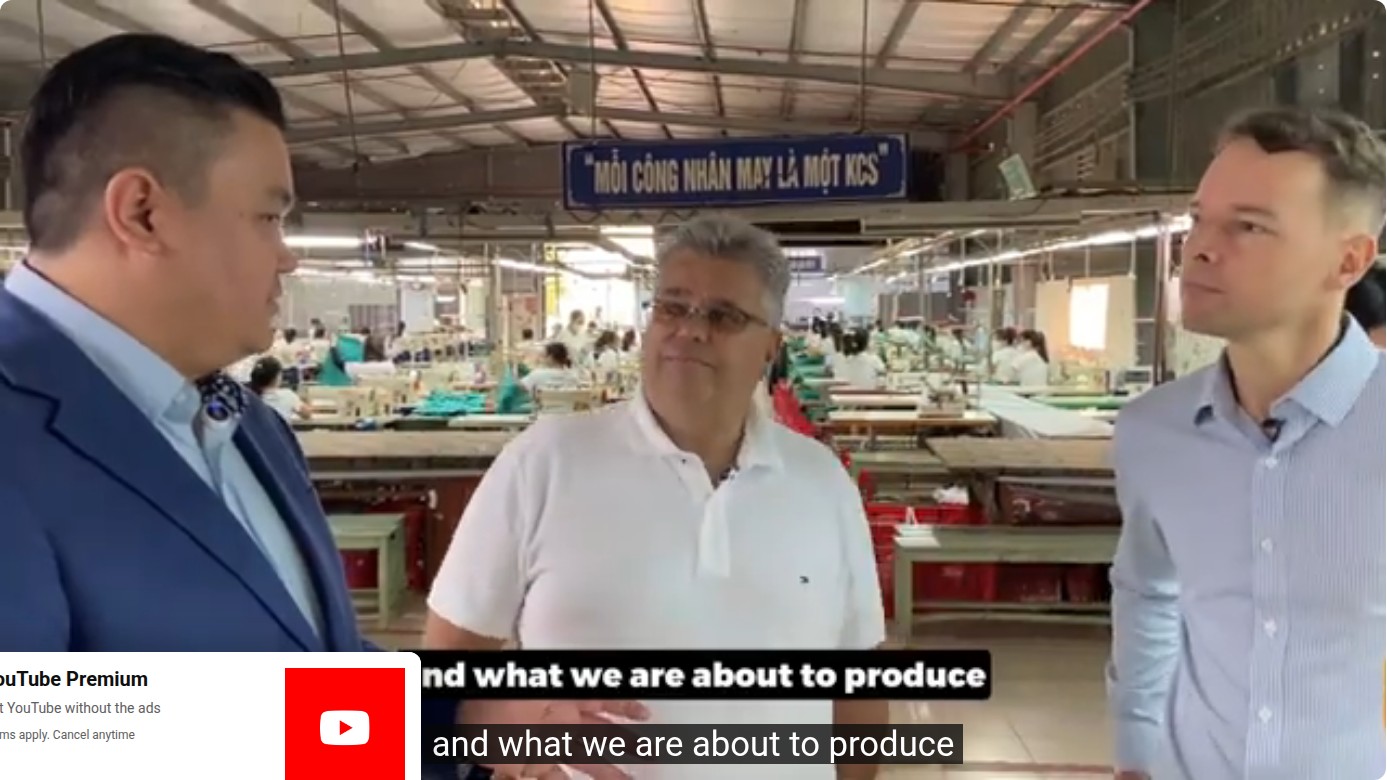
- The Body Fabric: This is the heart of the garment. The two most common knits are French terry (loops on the inside, smooth outside) and fleece (brushed on both sides for a plush, insulating texture). French terry offers a more classic, breathable sweatshirt feel with less bulk. Fleece provides superior warmth and a softer hand feel but is heavier and less breathable. The fabric weight, measured in grams per square meter (GSM), is critical: 280-320 GSM is standard for year-round use; lighter (240-260 GSM) for spring/fall; heavier (340+ GSM) for cold climates.
- The Zipper: Not all zippers are created equal. A YKK or IDEAL zipper is the industry benchmark for smooth operation and durability. The length is typically full-front (neck to hem), but some styles may feature a shorter “trucker” zipper. The zipper tape (the fabric part) should be color-matched to the garment for a seamless look. Metal zippers offer a rugged aesthetic, while coil (nylon) zippers are lighter and more flexible.
- The Cuffs & Hem: These are usually made from the same fabric as the body, cut in a rib knit for elasticity. The rib’s height (e.g., 1×1, 2×2) affects both durability and fit retention. A wider, denser rib holds its shape better over time but can feel tighter. Some performance versions use spandex or elastane-blended rib for a more compressive, secure fit that moves with the body.
Primary Use Cases & Buyer Personas
The no-hood zip’s versatility makes it a cross-category staple. Its appeal differs slightly depending on the end-user, which directly influences the fabric and fit specs a buyer should request.
1. Streetwear & Fashion Brands
This is arguably the largest market segment. Here, the garment is a canvas for branding and style.
- Typical Specs: Medium to heavy GSM French terry (300-320 GSM) for a structured drape. Relaxed or oversized fits are dominant. Colorways often include neutrals (black, grey, heather grey, navy) plus seasonalStatement colors.
- Branding Focus: Large chest prints, back logos, sleeve stripes, and custom woven labels. The clean front (no hood) provides a prime, unbroken space for graphics.
- Example: A direct-to-consumer brand launching a “90s-inspired” collection would order a relaxed-fit, 320 GSM French terry zip-up in black with a large back print and sleeve embroidery.
2. Fitness Centers & Corporate Wellness Programs
Gyms, yoga studios, and corporate wellness programs use these as premium member apparel or staff uniforms.
- Typical Specs: Mid-weight fleece (280-300 GSM) for softness and warmth post-workout. More tailored, “athletic” fits that allow for movement but look professional. Moisture-wicking blends are a premium option.
- Branding Focus: Small, clean left-chest logo (embroidery or woven label), sometimes with a member’s name on the back collar. Durability and washability are paramount due to high usage.
- Example: A national gym chain sources a 290 GSM poly-cotton fleece zip-up in heather grey with a small, tonal embroidered logo for its premium membership tier.
3. Sports Teams & School Programs
Used for sideline warmth, travel, or as part of a casual uniform.
- Typical Specs: Durable, affordable fleece (260-280 GSM). Team colors are non-negotiable. Fits often run slightly larger to accommodate layering over uniforms.
- Branding Focus: Full-color heat press or screen-printed team name/logo on the back, player numbers on the sleeves, and often a contrasting college or team logo on the left chest. Nameplates are common.
- Example: A high school orders 50 maroon 280 GSM fleece zip-ups for its basketball team, with a white screened school mascot on the back and player numbers on the upper right sleeve.
Custom Manufacturing: What Can You Actually Customize?
When engaging an OEM (Original Equipment Manufacturer) or ODM (Original Design Manufacturer), customization exists on a spectrum. Moving from stock blanks to a fully custom garment requires understanding which levers you can pull and at what cost or minimum order quantity (MOQ) impact.
Fabric & Construction: The Foundation
This is the most significant customization tier and often where true product differentiation happens.
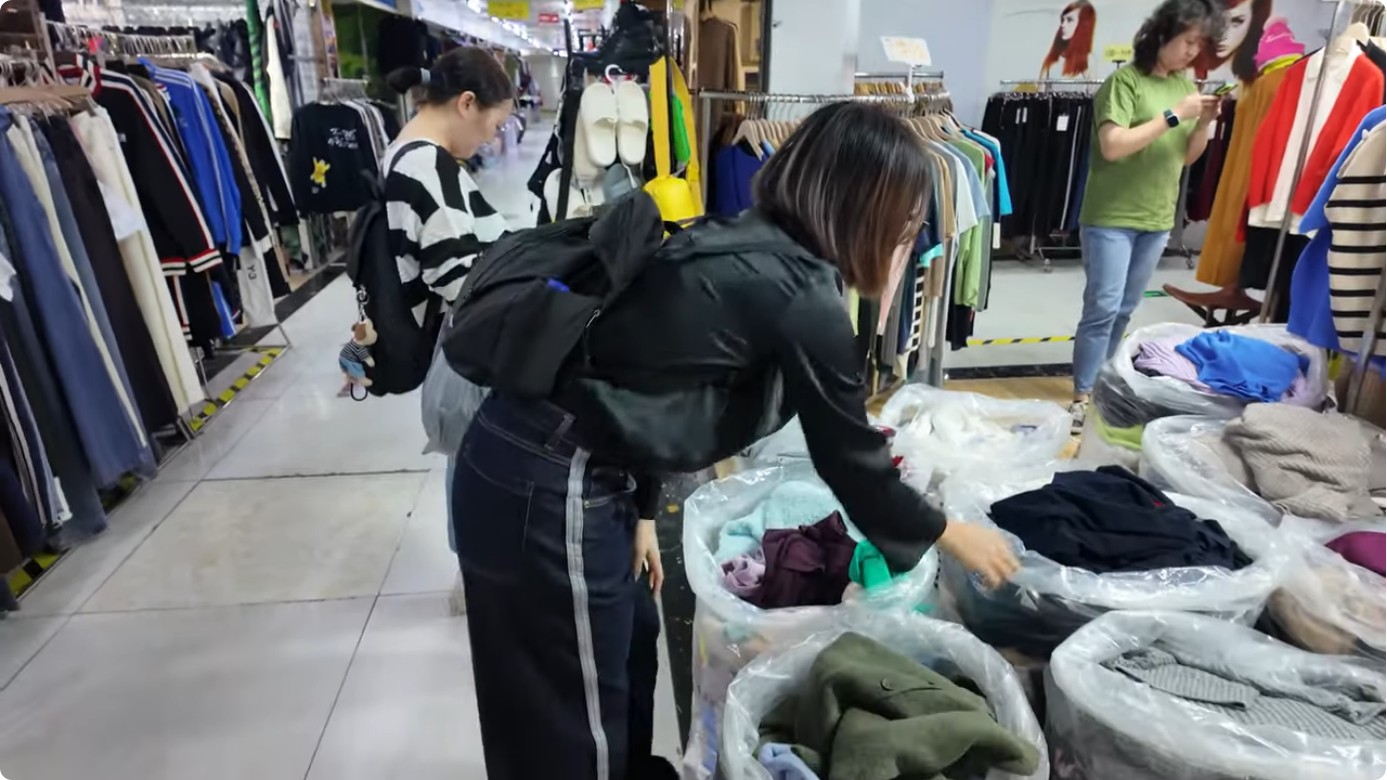
- Fabric Composition: Standard is 100% cotton or a cotton/polyester blend (e.g., 60/40, 80/20). You can specify organic cotton, recycled polyester (rPET), or performance finishes like moisture-wicking, anti-pill, or UV protection. Note: Specialty fabrics will increase cost and may have higher MOQs.
- Fabric Weight & Texture: You choose the GSM and whether it’s French terry, fleece, or a jersey knit. Requesting fabric swatches is a non-negotiable step in this process.
- Fit Pattern: You can provide your own tech pack and pattern, or work from the supplier’s base pattern (“block”) to make adjustments—e.g., lengthening the body, narrowing the shoulders, or increasing sleeve taper. This requires pattern-making expertise or a detailed spec sheet.
Finishing & Branding: The Details
These are the more accessible customizations for most order sizes.
More advice: The Horse Embroidery Jacket: A Guide for Brands, Teams & Buyers
- Zipper & Hardware: Choose metal vs. coil, specify zipper pull shape (standard, rectangular, custom-shaped), and color. For a unified look, you can often get matching zipper tape.
- Cuffs & Hem: Select rib height and stitch type (e.g., 2×2 rib vs. 1×1). Some suppliers offer contrast rib colors.
- Labeling: This is critical for brand identity. Options include:
- Woven neck tape (main brand label)
- Printed care label (can often be printed directly on the fabric vs. a separate tag)
- Hangtags, polybags, and custom packaging.
- Decoration Placement: Screen printing, embroidery, heat transfer, and woven labels can be placed on virtually any panel. The clean front of the no-hood style is a major selling point for bold graphics.
| Customization Level | Examples | Typical MOQ Impact | Cost Impact | Best For |
|---|---|---|---|---|
| Level 1: Stock Blank + Decoration | Choosing a supplier’s standard fabric/fit, then adding your logo print/embroidery. | Low (as low as 50-100 pcs) | Lowest | Startup brands, event runs, test marketing. |
| Level 2: Modified Stock | Changing fabric weight, rib color, or zipper type from supplier’s standard options. | Medium (100-500 pcs) | Moderate | Established brands wanting subtle differentiation. |
| Level 3: Full Custom | Custom fabric knit, proprietary fit pattern, unique hardware. | High (500-2000+ pcs) | Highest | Major brands, large retailers, private label programs. |
Sourcing Decision Points: What to Ask Your Manufacturer
Before committing to a sample or order, clarify these points. A checklist approach ensures no critical detail is missed.
Custom Zip-Up Sweatshirt: Supplier Verification Checklist
- Fabric Sourcing: Can they provide a mill certificate or relevant standard (e.g., OEKO-TEX Standard 100 for有害物质) for the proposed fabric? Is the fabric pre-shrunk?
- Zipper Supplier: Is it a reputable brand (YKK, SBS, IDEAL)? Can they provide a zipper pull sample?
- Pattern & Fit: Do they have a standard “slim,” “regular,” or “oversized” block? Can they share measurement specs (chest, body length, sleeve) for each size? Always request a graded spec sheet, not just a sample on a hanger.
- Sample Approval Process: Is there a charge for a pre-production sample (PP sample)? How many revision rounds are included? What is the approval timeline?
- Quality Control: What is their AQL (Acceptable Quality Level) standard? Do they perform in-line and final inspections? Can you hire a third-party inspector (e.g., SGS, Bureau Veritas)?
- Lead Time & MOQ: What is the firm production lead time after sample approval? Are there peak season delays? What are the true MOQs per fabric/color?
Tradeoffs & Common Pitfalls
Every customization decision involves a tradeoff. Understanding these prevents costly surprises.
- Fabric Weight vs. Cost & Comfort: A 340 GSM fleece is warm but can feel bulky and hot for indoor gym use. A 260 GSM French terry is breathable but may feel thin for cold-weather sideline wear. Match the GSM to the intended use case, not just a perceived premium number.
- Fit Consistency: “Relaxed fit” is subjective. A tech pack with precise measurements and, ideally, a fit model video is essential. A bad fit is the fastest way to kill a product line.
- Zipper Quality: A cheap, sticky zipper will fail first and become a major customer service issue. Insist on a known brand and test the sample zipper rigorously—open and close it 50 times.
- MOQ Realities: A supplier may quote a 500-piece MOQ, but that might be per style, per color. Ordering 3 colors in one style could mean 1,500 total units. Always clarify “MOQ per color, per style.”
Frequently Asked Questions (FAQs)
Can I get a custom fit for a specific body type (e.g., athletic, tall)?
Yes, but it requires a custom pattern. Most OEMs can adjust their base block. Provide clear measurement specs (e.g., “increase sleeve length by 1 inch for size L”). This is a Level 2/3 customization with associated pattern-making costs and likely a higher MOQ.
What’s the difference between a zip sweatshirt and a lightweight jacket?
The line is blurry, but generally: sweatshirts use heavier, knitted fleece or French terry and have a looser, more relaxed fit. Jackets often use woven fabrics (like nylon), have more structured seams, and may include features like storm flaps or inner pockets. For branding, a “sweatshirt” implies casual comfort; a “jacket” implies technical performance or outerwear.
How do I ensure color consistency across multiple production runs?
This is a common challenge. Use a PANTONE color code (e.g., PANTONE 19-4052 Classic Blue) in your tech pack. For absolute certainty, you can provide a physical color standard swatch (e.g., from Colours or a lab dip) that the factory must match using a spectrophotometer. This adds cost but is recommended for core, repeat-order colors.
Is recycled polyester fabric suitable for a zippered sweatshirt?
Absolutely. rPET fleece and French terry have come a long way and can match the hand feel and performance of virgin polyester. Verify the recycled content percentage (e.g., 50% recycled polyester / 50% cotton) and ensure the supplier can provide certification (like Textile Exchange‘s GRS) if sustainability claims are part of your brand marketing.
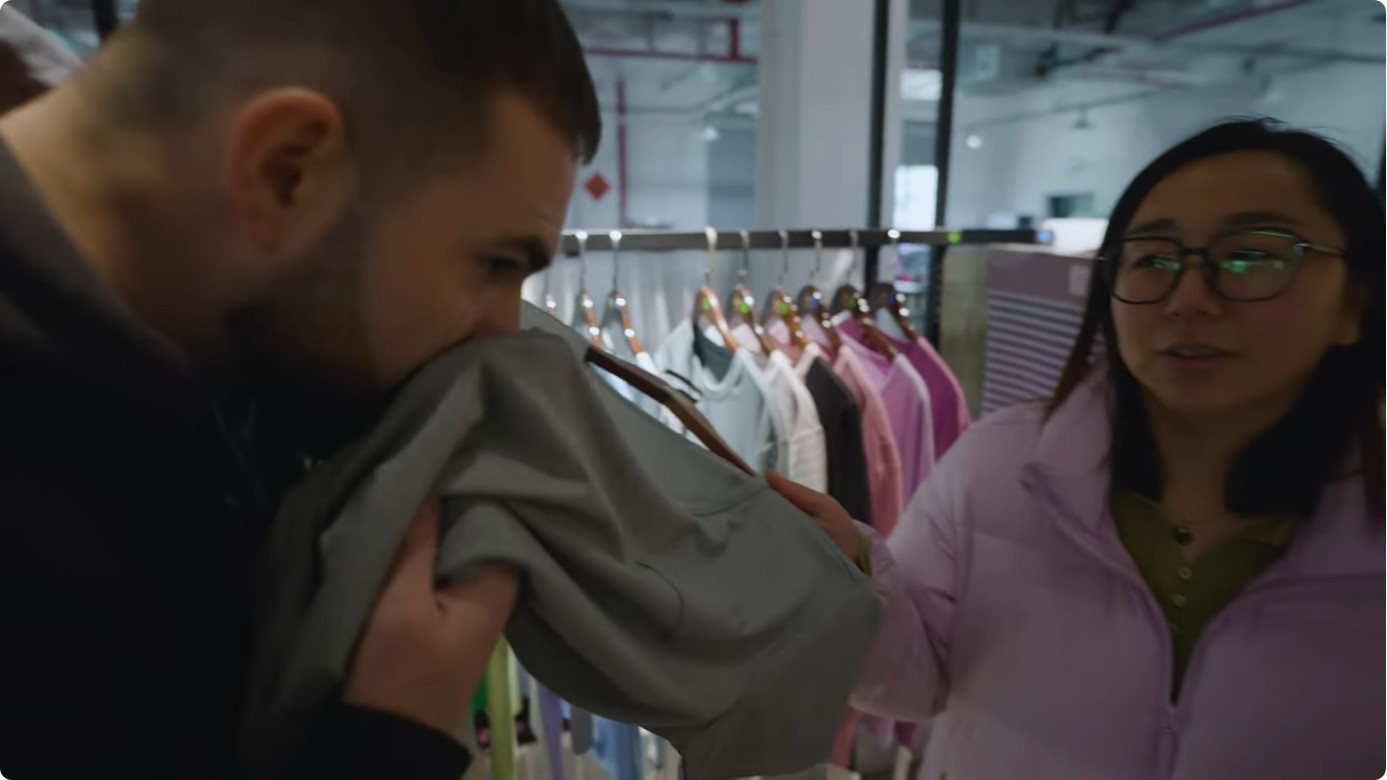
Planning to add these styles to your collection? We produce custom versions with your branding, fabric choice, and sizing — from sample to bulk. Contact our team for details.
Related guide: Dye Sublimation Printing on Fabric: A Complete Guide for Apparel Makers