
In the custom activewear market, the hoodie is a perennial bestseller. Yet, one of the most common—and costly—mistakes brands and buyers make is sourcing a style that defaults to an unflattering, boxy silhouette. A “baggy” hoodie often stems from generic patterns designed for a one-size-fits-most approach, using stiff fabrics that hang without shape. For brands targeting performance, streetwear credibility, or team unity, this is a critical failure point. The right hoodie should complement the body, offering comfort without sacrificing form. This guide dissects the construction, fabric, and design elements that create a structured, flattering hoodie and translates those details into actionable specifications for your OEM/ODM partnership.
Whether you’re a fitness brand launching a premium line, a corporate gifting buyer, or a sports team outfitter, understanding the anatomy of a “non-baggy” hoodie is your first step in communicating precise requirements to your manufacturer. We’ll move beyond subjective adjectives like “slim” or “tight” to the tangible pattern adjustments, fabric compositions, and construction techniques that deliver a tailored look, ensuring your custom product aligns with your brand’s quality promise and your customer’s expectations.
Defining the “Non-Baggy” Hoodie: It’s All in the Architecture
The distinction between a intentionally oversized streetwear hoodie and a poorly fitted, baggy one lies in deliberate design versus pattern abdication. A flattering, body-conscious hoodie achieves its shape through a combination of three core pillars: pattern engineering, fabric selection, and construction details. A manufacturer skilled in athletic wear will treat the hoodie as a technical garment, not just a pullover.
Helpful tip: Cotton Fleece Material: A Practical Guide to Properties, Uses, and Sourcing
1. The Pattern: Silhouette and Seam Lines
The blueprint is everything. Look for these specific pattern adjustments:
- Tapered Torso: The side seams should angle slightly inward from the underarm down to the hem, creating an “A-line” or slight taper rather than a straight, rectangular drop. This prevents the fabric from pooling at the hips.
- Sleeve Armhole (Sleeve Crown): A higher, more fitted armhole (closer to the natural shoulder line) prevents excessive fabric in the shoulder and upper arm area. This is a hallmark of athletic patterning.
- Set-In Sleeve vs. Raglan: While raglan sleeves are common for mobility, a well-cut set-in sleeve (where the sleeve cap is sewn into a horizontal shoulder seam) can provide a cleaner, more structured shoulder line that reads as less sloppy. This is a key detail for brands aiming for a polished look.
- Hood Construction: A hood with a shaped crown (often with center back seam or darts) that sits flush on the head is a sign of quality. A flat, two-piece hood without shape tends to look bulky and sit awkwardly.
2. The Fabric: Weight, Stretch, and Drape
Fabric is the second pillar. The wrong material will undermine the best pattern.
| Fabric Characteristic | What to Look For (Flattering) | What to Avoid (Promotes Baggy Look) |
|---|---|---|
| Weight (GSM) | Medium-weight fleece (280-320 GSM). Heavy enough for structure, light enough to drape without stiffening. | Very light fleece (under 250 GSM) can be thin and cling oddly; ultra-heavy (>350 GSM) can be stiff and bulky, looking like a slab. |
| Composition | Cotton/Poly blends (e.g., 60/40, 80/20). The polyester provides stability and shape retention; cotton offers softness and hand-feel. | 100% cotton, especially low-grade, will shrink, fade, and lose its shape quickly, becoming baggy over time. 100% polyester can feel plasticky and may not drape well unless specifically engineered. |
| Stretch | Brushed fleece with a slight mechanical stretch or a small percentage of elastane (1-5%). Allows the garment to recover and move with the body. | Zero-stretch, rigid knits will not recover and will bag out at elbows and underarms after minimal wear. |
| Finish | Brushed interior for softness, smooth or peached exterior for a refined look. A tight, clean knit surface is less prone to pilling. | Terry loops or very loose knits on the exterior can look sloppy and add visual bulk. |
3. Construction: The Details That Define Shape
These finishing touches lock in the fit:
- Ribbed Cuffs and Hem: A firm, high-quality rib knit (1×1 or 2×1) at the cuffs and bottom hem is non-negotiable. It provides a clean, secure finish that prevents the fabric from flaring out. Check the rib content—a cotton/spandex or polyester/spandex blend offers better recovery.
- Double-Layered Hem (Optional): Some premium patterns use a twin-needle topstitched hem or a facing for an even more structured, non-rolling finish.
- Pocket Placement: A kangaroo pocket placed too low can visually elongate the torso and add bulk. A set-in, ribbed welt pocket at the hip line or a higher-positioned kanga pocket creates a more proportional look.
- Minimal Seam Bulk: Flatlock or coverstitch seams on the shoulders and sides reduce interior bulk and improve the garment’s clean lines against the body.
Who is This For? Contexts and Customer Profiles
Understanding who wears a tailored-fit hoodie clarifies your product positioning and sizing strategy. This style is not a niche; it’s a foundational piece for several key markets:
- Athletic & Performance Brands: Customers want a “fitted” look for gym sessions or runs, where excess fabric is a nuisance. They prioritize moisture-wicking blends (look for OEKO-TEX Standard 100 certified fabrics) and functional details like thumbholes.
- Contemporary Fashion & Streetwear: The “athleisure” trend demands a clean, intentional silhouette. This hoodie style works as a standalone layering piece, avoiding the “just woke up” look associated with sloppy fits. Brands like A day or Lululemon have built lines on this aesthetic.
- Corporate & Team Apparel: Companies and sports teams want a professional, unified appearance. A baggy hoodie looks unkempt; a tailored one looks sharp and cohesive, whether for a sales team or a soccer squad.
- Wholesale & Retailers: Stores targeting a broad demographic often find a “regular” or “athletic” fit (not skin-tight, not baggy) has the widest appeal and lowest return rate.
Custom Manufacturing: Translating Vision into Production
Now we bridge the gap between design intent and factory floor reality. Sourcing this specific style requires clear communication with your OEM/ODM partner.
Key Customization Levers
You have control over several variables to nail the fit:
Related guide: The Complete Guide to Organic Cotton Terry Cloth: Properties, Sourcing, and Applications
- Fit Specifications: Provide your own tech pack with precise measurements for chest, body length, sleeve length, and tapering percentages. Don’t just say “slim fit.” Specify: “Chest measurement 2″ less than our standard block” or “Taper hem 1.5″ narrower than chest width.”
- Fabric Swatch Selection: Always request and approve multiple fabric swatches. Feel the hand, check the stretch, and observe the drape. The factory’s “medium-weight fleece” may be different from your mental model.
- Pattern Origin: Ask if they will use their in-house “athletic fit” pattern block or modify a standard block. A good ODM partner will have a library of proven patterns for this silhouette.
- Logo & Graphic Placement: Remember, heavy screen printing or embroidery on the chest or back can add stiffness and alter drape. Discuss placement with your manufacturer. A large back print may require a slightly heavier fabric to support it without sagging.
Critical Production Considerations & Trade-offs
Every decision has a production implication:
- Minimum Order Quantities (MOQ): Developing a custom pattern and sourcing a specific fabric blend often comes with a higher MOQ (typically 500-1000 units per style/color). Be prepared for this investment for a proprietary fit.
- Sample, Sample, Sample: Never proceed to bulk without a perfect fit sample (a “counter sample” or “approval sample”). Fit it on a diverse range of body types if possible. Pay for this sample—it’s the cheapest insurance against a costly bulk mistake.
- Fabric Lead Times: Custom woven or knitted fabric orders can add 4-8 weeks to your timeline. Using the factory’s stocked fabric options is faster but may limit your fit and feel options.
- The Size Chart is Law: The factory will produce to the approved size chart, not to a sample garment. Ensure your size chart measurements are absolute and reflect the *final garment*, not the sample’s stretched state.
What to Look for in a Manufacturer: A Sourcing Checklist
Not all factories excel at athletic tailoring. Use this checklist when evaluating potential partners:
- Portfolio Review: Do they show hoodies with a clear, tapered silhouette in their lookbook? Are the models wearing them in a way that showcases the fit?
- Pattern Making Capability: Ask directly: “Do you have a specific pattern block for a fitted/athletic hoodie? Can we review the pattern measurements before cutting?” Factories with in-house pattern makers are a major asset.
- Fabric Library: Do they offer a range of mid-weight, stable fleeces with some recovery? Ask for GSM, composition, and stretch percentage for each option.
- Sample Policy: What is the cost and lead time for a fit sample? Is it refundable upon bulk order? Do they offer a pre-production sample after fabric and trim are confirmed?
- Communication: Can they explain *why* a certain adjustment will achieve your desired fit? A technical sales manager is invaluable.
- Quality Certifications: Look for SGS or Intertek inspection reports, or factory certifications like WRAP, which indicate baseline quality and ethical standards.
Decision Points: Navigating the Trade-offs
You will inevitably face choices. Frame them with these considerations:
| Decision Point | Option A (More Flattering Fit) | Option B (Cost/Logistics Advantage) | Key Question for Your Brand |
|---|---|---|---|
| Fabric | Custom-order specific 280GSM cotton/poly brushed fleece | Use factory’s stock 240GSM fleece | Is fit and durability a brand-defining priority, or is this a lower-cost promotional item? |
| Pattern | Develop a unique, proprietary pattern (higher cost, exclusive) | Use factory’s standard “athletic fit” pattern (lower cost, no exclusivity) | Do you need a unique fit as a competitive differentiator? |
| MOQ | Commit to 1,000 units for better fabric pricing and pattern amortization | Stick to 500 units to test the market | What is your cash flow tolerance and market confidence? Can you sell through 1,000 units? |
| Trim | Specify branded ribbed cuffs (e.g., specific brand of Lycra® rib) | Use factory’s standard cotton/spandex rib | Is premium hand-feel and recovery worth the added cost and sourcing complexity? |
Conclusion: Your Next Steps
Sourcing a hoodie that genuinely flatters the body is a technical challenge, not a stylistic guess. It requires you to speak the language of pattern makers, fabric engineers, and production managers. By focusing on the concrete elements of taper, fabric stability, and ribbed finishes, you move from vague requests to precise specifications. This level of detail is what separates a generic private-label product from a branded apparel line that customers trust and re-purchase.
Ready to Define Your Perfect Fit?
Have you reviewed your current hoodie’s pattern and fabric composition? Do you have a clear size chart based on garment measurements, not body measurements? Before you commit to a factory, challenge them on the specifics outlined here. A partner who can confidently discuss pattern taper percentages and rib knit recovery is a partner who can deliver the structured, non-baggy silhouette your brand deserves.
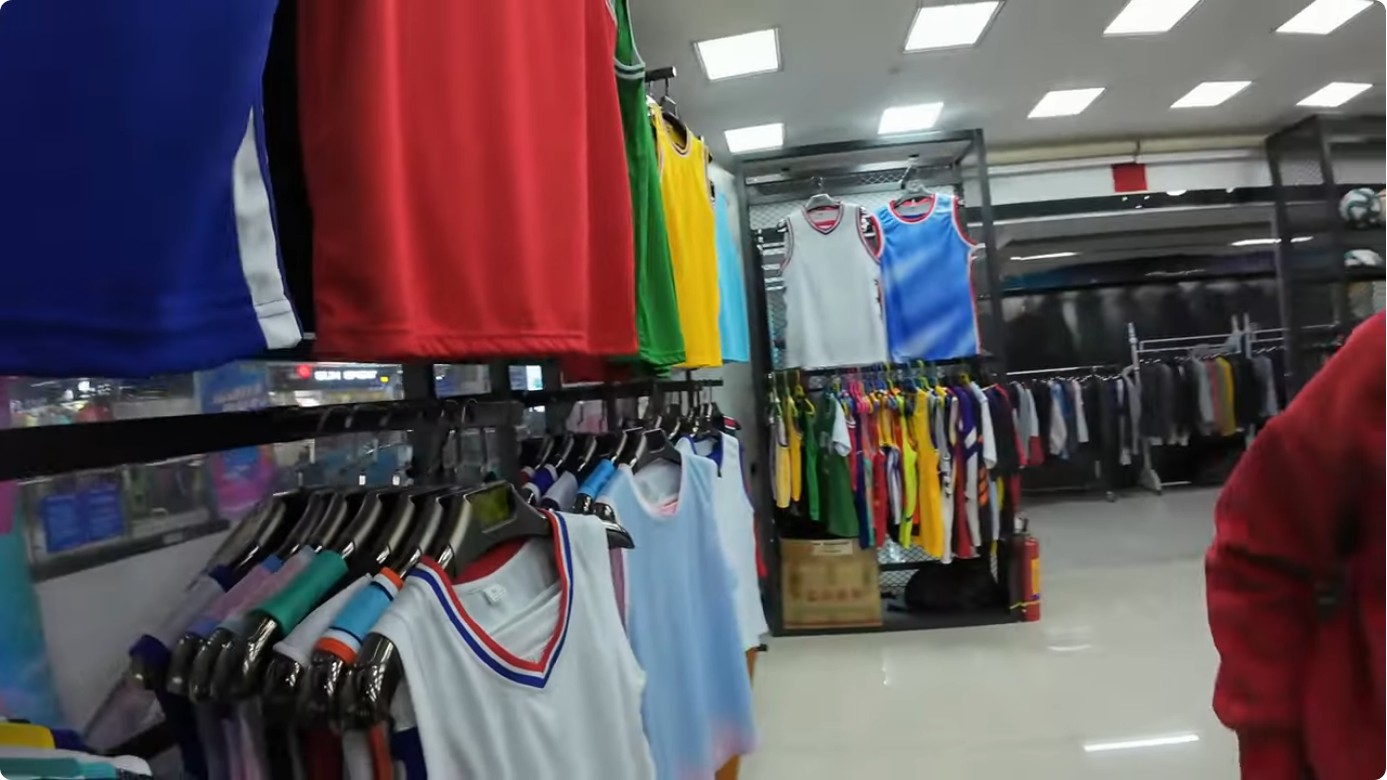
If you’re looking to source or customize any of the styles mentioned above, our factory offers low MOQ OEM/ODM production with full sampling support. Get a free quote today.
Related guide: French Terry Knit: The Versatile Fabric Behind Your Favorite Sweatshirts