
When you search for “badger baseball jerseys,” you’re stepping into a specific niche of sports apparel with a unique identity. Originating from the heavy-duty, warm-up jackets worn by baseball players and fans, the “badger” style has evolved far beyond its dugout roots. Today, it’s a popular choice for teams, brands, and organizations looking for a durable, retro-inspired, and highly customizable jacket. For B2B buyers and brand owners, understanding this garment’s construction, fabric dynamics, and production realities is key to sourcing a product that meets quality standards and resonates with your audience.
This guide cuts through the general product information to focus on the critical insights a wholesale buyer or custom apparel brand needs. We’ll explore what truly defines a badger baseball jersey, the material and manufacturing choices that impact cost and quality, and the essential questions to ask your manufacturer before placing an order. Whether you’re outfitting a sports team, launching a streetwear line, or creating corporate apparel, this article provides the framework to source a superior custom product.
What Exactly Is a “Badger” Baseball Jersey?
The term “badger” in baseball apparel doesn’t refer to the animal, but to a specific style of crewneck jacket. Historically, it was a thick, wool-blend pullover worn by players in the bullpen or on chilly days. Its signature traits are a button placket (often with a full front of buttons or a partial “snap” placket), ribbed cuffs and hem, and a relaxed, slightly boxy fit. Its primary function was warmth and ease of removal over a uniform.
In the modern custom apparel market, a “badger baseball jersey” is a category defined by these classic characteristics but made with contemporary fabrics. It exists in a unique space between a heavy sweatshirt and a lightweight jacket. This ambiguity is the first thing a buyer must clarify with their manufacturer: are you sourcing a true heavyweight warm-up jacket, or a lighter fashion-oriented version? The intended use—professional sports, fan merchandise, or fashion retail—will dictate this core decision.
What Matters Most for Buyers
Before diving into fabrics and trims, three high-level factors will steer your entire sourcing project:

- Intended Use & Weight Class: A jersey for a college baseball team’s sideline needs different durability and warmth than one for a trendy streetwear collection. This single decision drives fabric weight, construction, and cost.
- Authenticity vs. Fashion Silhouette: Do you need a traditional, loose-fitting pullover with a full button front, or a more modern, tapered zip-up? The pattern and sewing complexity change significantly.
- Customization Scope: Will you be adding a small embroidered logo, or complex all-over sublimation prints? The decoration method is inseparable from your fabric choice and will influence minimum order quantities (MOQs).
Fabric Fundamentals: Weaves, Weights, and Performance
The heart of a badger jersey’s feel and function is its fabric. Most are knitted, not woven, with two primary constructions dominating the market. For a custom buyer, understanding the trade-offs is non-negotiable for quality control and cost management.
1. French Terry (Loopwheel)
The traditional and premium choice. French terry features a smooth, flat knit face with a distinctive, lofty looped back. It’s highly breathable, incredibly soft, and has a natural, textured look that many associate with authentic vintage sportswear.
- Pros: Superior hand feel, excellent moisture management, hangs nicely, authentic retro aesthetic.
- Cons: Can be more expensive, may have less structure than a fleece, and looped back can be prone to snagging if not tightly knitted.
- Typical Weights: 280-350 GSM (grams per square meter). A 320 GSM French terry is a robust, all-season choice.
2. Fleece (Brushed Knit)
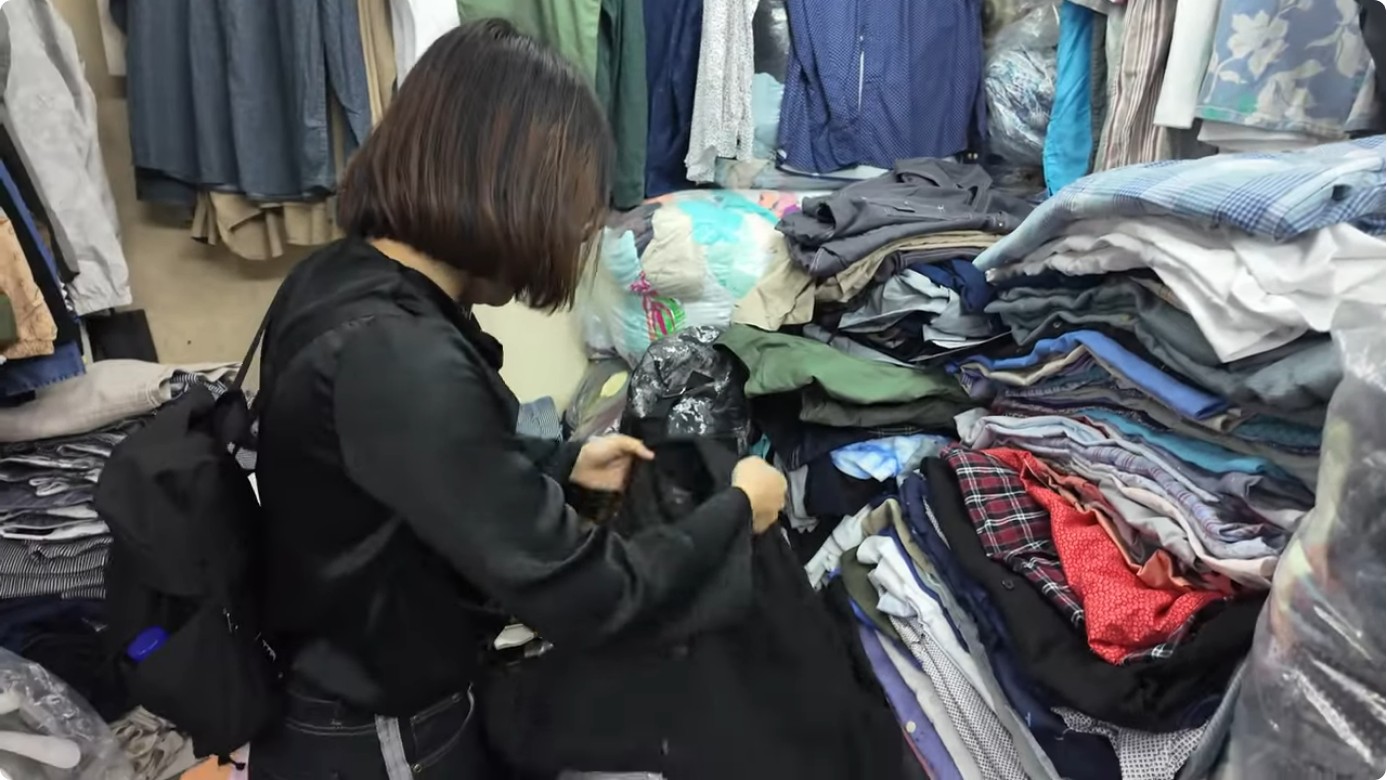
This is a double-knit fabric where the backside is brushed to create a soft, insulating pile. It’s the most common fabric for modern badgers, prized for its warmth, consistency, and printability.
- Pros: Warmer than French terry, very consistent look and feel, excellent for sublimation printing (the smooth face takes dye brilliantly), generally more economical.
- Cons: Can feel less “premium” than terry, can pill over time with lower-quality yarns, less breathable.
- Typical Weights: 300-400 GSM. A 360 GSM fleece is a workhorse for team and fashion applications.
3. Performance Knits (Polyester Spandex Blends)
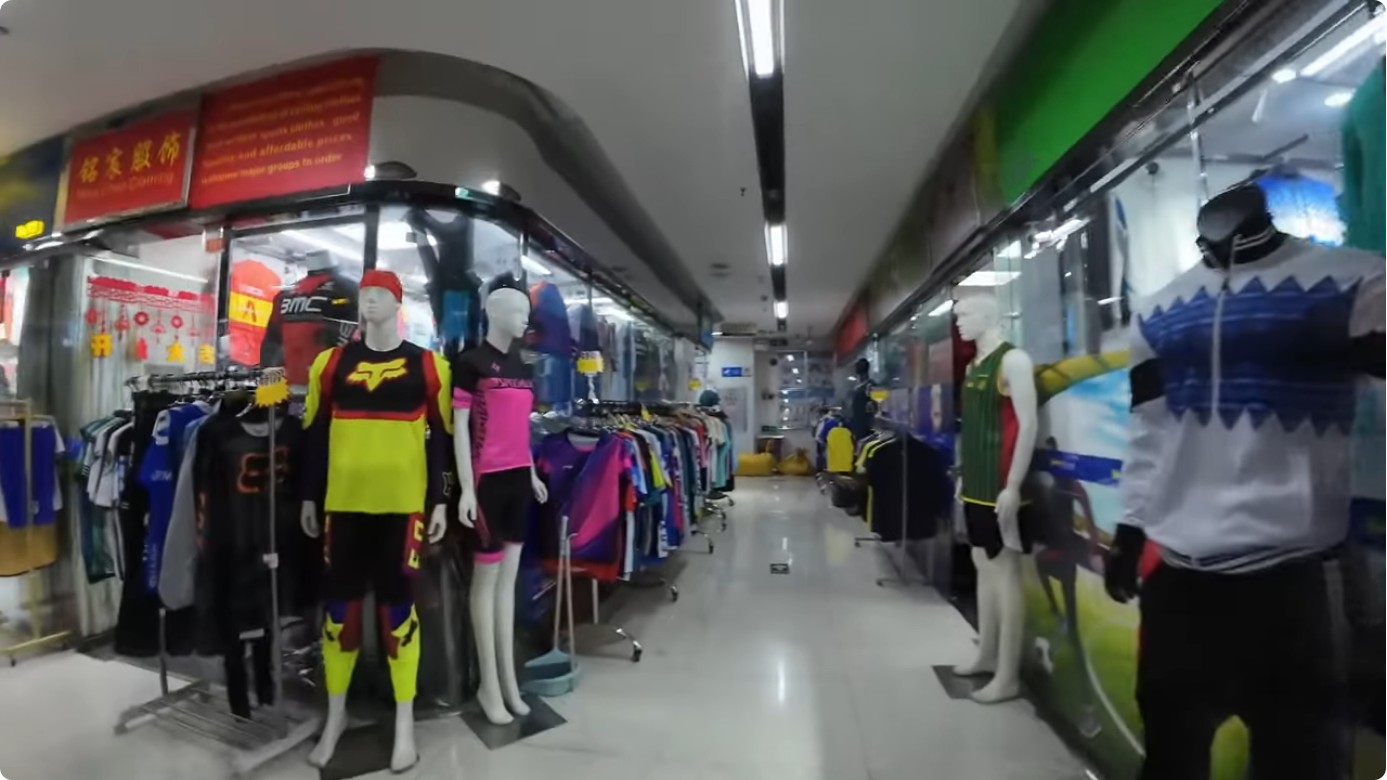
For athletic teams requiring moisture-wicking, stretch, and light weight, performance fabrics are key. These are often lightweight (<280 GSM) polyester or nylon interlock knits with 5-10% spandex for mobility.
- Pros: Moisture-wicking, four-way stretch, quick-drying, lighter weight.
- Cons: Lacks the heavyweight, traditional “badger” feel, can look and feel more like a performance polo than a classic jersey. Critical for buyers: Confirm your manufacturer’s definition of a “badger” includes this lightweight style if this is your goal.
A Practical Fabric Comparison Table
Helpful tip: Turf vs Grass Cleats: A Manufacturing & Sourcing Guide for Teams & Brands
| Feature | French Terry | Fleece | Performance Knit |
|---|---|---|---|
| Best For | Premium brands, authentic vintage teams, high-end retail | Most teams, fan gear, mass-market fashion | Active wear, warm-weather teams, athleisure |
| Warmth | Medium | High | Low |
| Sublimation | Possible, but texture shows | Excellent (smooth face) | Excellent |
| Embroidery | Good (stable base) | Very Good | Good (can stretch) |
| Cost Indicator | $$$ | $$ | $$-$ |
Construction & Quality Markers You Can Verify
A garment’s longevity is built in its stitches and seams. When auditing samples or discussing specs with a factory, focus on these construction elements:
- Seam Type: Look for flatlock seams on shoulders and sides. This stitch lies flat, reduces bulk, and prevents chafing. A basic coverstitch or overlock is a cost-cutting measure that can feel bulky.
- Button Placket: Is it a full 5-7 button placket, or a 3-4 button “snap” placket (often with hidden snaps)? The latter is cheaper and faster to produce. The fabric under the placket (the “neck tape”) should be a stable, soft knit or woven strip, not just a folded piece of the main fabric.
- Cuffs & Hem: The rib knit should be substantial (at least 2×2 rib) and recover well when stretched. Cheap, thin rib will become loose and misshapen quickly. Check for consistent stitch density.
- Yarn Quality: This is harder to judge from a sample but crucial. Ask your manufacturer about the yarn count and composition. Ringspun cotton (or cotton-blend) yarns will feel softer and have better durability than open-end yarns. For polyester, a high-tenacity, recycled polyester offers better hand feel and environmental credentials.
- Labels & Tagless: Custom woven labels and care labels are standard. A “tagless” option (a heat-transfer label printed directly inside the neck) is a premium touch that reduces irritation and is common in performance wear. Specify your preference.
Customization: Matching Method to Fabric & Goal
Your design dictates the decoration method, which in turn dictates your fabric and factory selection. There’s no one-size-fits-all.
- Embroidery: The classic for logos on chest, sleeve, and back. Works exceptionally well on fleece and thick French terry. The fabric provides a stable, “cushioned” base. A limitation: it adds stiffness and can’t cover large areas. For buyers: Get a sample of your specific logo on your chosen fabric to check for puckering and thread coverage.
- Sublimation (All-Over Print): The process of dyeing polyester fabric using heat and pressure. This is where performance knit and smooth-faced fleece shine. It allows for infinite color gradients, complex graphics, and true all-over pattern placement. Key limitation: It only works on white or light-colored polyester fabrics. A white badger jersey sublimated with a dark, intricate pattern is the pinnacle of custom fashion jerseys. For teams, it allows for unique player names/numbers integrated into the design.
- Screen Printing: Best for bold, solid-color logos and text on any fabric. On a textured French terry, it can sit on top of the fabric. On smooth fleece, it can be very crisp. Cost-effective for mid-sized runs (50+ units). Discharge printing is a variant that removes dye from the fabric for a soft, “vintage” feel, ideal for dark garments.
- Heat Transfer Vinyl (HTV): Often used for names and numbers on the back. Can be applied to most fabrics but may feel like a plastic sticker on cheaper materials. High-quality, stretchable HTV is essential for performance knits. Not recommended for all-over coverage due to weight and breathability issues.
Sourcing & Production: The Buyer’s Checklist
Moving from concept to reality requires clear communication with your OEM/ODM partner. Use this checklist to prepare your inquiry and evaluate samples.
- Define Your Spec Sheet: Don’t just say “badger jersey.” Specify: Fabric (e.g., 320GSM 80/20 cotton/polyester fleece), weight, fit (e.g., “athletic fit” vs. “relaxed vintage”), placket style (full buttons vs. snaps), rib type, and color palette from a standard system like Pantone.
- Clarify Decoration Method & Placement: Provide mockups showing exact logo placement, sizes, and thread colors for embroidery. For sublimation, supply a print-ready file with a technical “mockup” showing seam lines.
- Ask About MOQs and Scale: For custom-knit, dyed-to-order fabrics, MOQs can be 500-1000 units per style/color. For stock fabrics (where you choose from the mill’s available colors), MOQs can drop to 50-100. Sublimation often has higher MOQs due to the printing setup. Be upfront about your volume needs.
- Request a Pre-Production Sample (PP Sample): Never approve bulk production without a PP sample made from the exact fabric, with your actual decoration. Check: seam integrity, color matching (both fabric and thread/print), logo placement accuracy, and overall hand feel.
- Understand Lead Times: From fabric sourcing to shipping, expect 4-8 weeks for stock fabric orders and 8-12+ weeks for custom-knit fabric. Sublimation adds printing time. Factor this into your seasonality planning.
- Discuss Quality Control: What is their AQL (Acceptable Quality Limit)? Will they provide photos of the finished bulk? Who pays for shipping the sample and any re-work?
Common Pitfalls and How to Avoid Them
Based on common industry issues, here are critical warnings for buyers:
- The “Vintage” Trap: A cheap, thin jersey will never feel authentically heavy and substantial. If your brand promises vintage quality, you must invest in fabric weight and construction. Request a physical fabric swatch and weigh it (GSM).
- Sublimation on Non-Polyester: Attempting to sublimate on a cotton-rich blend will result in faded, blotchy prints. It simply doesn’t work. Ensure your fabric is at least 85-90% polyester for quality results.
- Ignoring Shrinkage: All cotton-blend knits will shrink. Your pattern must be cut slightly oversized to account for post-wash shrinkage. Ask your factory for their shrinkage rate data for the specific fabric.
- Cost vs. Target Price: If your target retail price is $40, a $25 wholesale cost (with decoration) might be your ceiling. A heavy French terry jersey with complex embroidery may not fit. Be prepared to adjust fabric or decoration to meet your business model.
Final Considerations: What Will You Ask Your Manufacturer?
Before you send an RFQ (Request for Quotation), have answers to these questions. Your manufacturer will ask them anyway, and your preparedness will streamline the process and ensure accurate quoting.
- What is the intended end-use? (Team warm-ups, retail fashion, promotional giveaway)
- What is your target price point per unit?
- Do you have a preference for fabric hand feel (soft vs. structured) and warmth?
- What is your planned decoration method and approximate coverage?
- What is your required order quantity and expected timeline?
- Do you have a physical sample (from another brand) of the quality you’re targeting?
Whether you’re a startup brand or an established retailer, we manufacture custom sportswear at competitive MOQs. Reach out to start your project.