
In the global language of soccer, the term “cap” carries significant prestige, yet its meaning is often misunderstood outside of dedicated fan circles. For a sports team, brand, or retailer, understanding this term isn’t just about trivia—it’s about identifying a powerful narrative and product category. A “cap” represents an official appearance for a national team. When a player “earns a cap,” they have played in an international match (e.g., a World Cup qualifier, a Nations League game, or a friendly). The physical manifestation of this honor, historically a literal cap given to players, is now a celebrated metric used to denote experience, legacy, and elite status.
This article breaks down the meaning of “caps” for a commercial audience. We’ll explore how this concept translates into tangible product opportunities for custom sportswear—from commemorative jerseys and training gear to fan apparel. More importantly, we provide practical manufacturing and sourcing guidance for businesses looking to create licensed-inspired or tribute collections that resonate with this deep-seated soccer culture.
The Terminology: From Physical Cap to Statistical Honor
The term’s origin is believed to date back to 19th-century England, where players representing their country were given a physical cap as a memento. Today, while no physical cap is typically issued, the statistic remains the ultimate measure of international service. A player with 50 caps is a seasoned veteran; one with 100 is a legend. Milestones like 50, 100, or even 200 caps are major events, often celebrated by the player’s club and national federation with special ceremonies and merchandise.
Also read: Jersey Knit Fabric: The Essential Guide for Designers, Buyers, and Sewists
For brands and teams, this creates clear opportunities. The term is used in marketing (“Century Club” for 100 caps), media, and fan discourse. Products that reference specific cap numbers or “legend” status tap into a fan’s desire to connect with and celebrate a player’s career achievements. It’s a narrative built into the sport’s history, ready to be woven into apparel.
Product Opportunities: Translating “Caps” into Apparel
Understanding the term is the first step. The second is knowing which products naturally align with the “caps” narrative. The appeal is strongest in items that are worn by fans to show allegiance to a player’s legacy or by teams/players themselves for milestone celebrations.
1. Commemorative Jerseys and T-Shirts
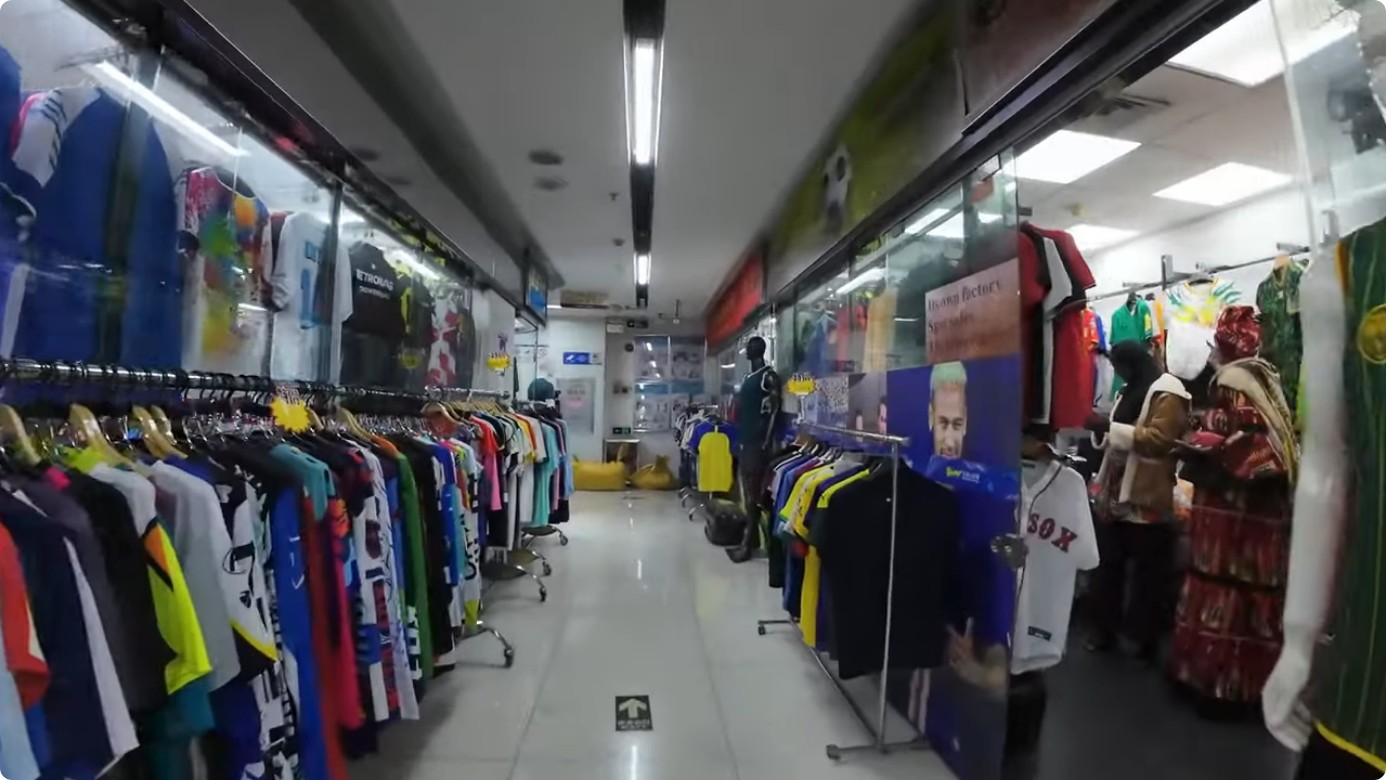
This is the most direct application. A t-shirt or jersey featuring a player’s name, number, and a graphic celebrating “100 Caps” or “50 Appearances” is a popular fan item. These are often released around the milestone match. For custom production, you can replicate this style for local clubs celebrating a player’s national team achievement or for brands creating tribute collections.
2. Training & Warm-Up Gear
Less formal than jerseys but equally marketable. Hoodies, sweatshirts, and tracksuit tops with subtle embroidery or prints (e.g., “XX Caps” on the sleeve, a small badge on the chest) appeal to supporters who want a more understated nod to the achievement. This category is ideal for ODM-style production where you adapt an existing activewear template with custom branding.
3. Accessories & Lifestyle Pieces
Caps (headwear), as the term’s namesake, are an ironic best-seller. A structured baseball cap or beanie with “100” embroidery or a “Centurion” patch fits perfectly. Other items include phone cases, bags, and socks with cap-related graphics. These are excellent lower-cost entry points for a collection.
| Product Type | Best For | Key Customization Features | Typical Buyer |
|---|---|---|---|
| Commemorative T-Shirts/Jerseys | High-impact fan sales around match day | Large front/back prints, player name/number, milestone graphic | Fan merch sellers, club stores, event-specific brands |
| Hoodies & Sweatshirts | Core fan apparel, broader seasonal appeal | Chest/back prints, sleeve embroidery, woven labels | Retail brands, club outfitters, team gift programs |
| Tracksuits & Training Pants | Team use (player/coach) or premium fan wear | Subtle branding, chest/leg embroidery, custom trim | National/club team management, high-end fan retailers |
| Accessories (Caps, Bags) | Impulse buys, affordable collectibles | Small embroidered patches, front prints, woven tags | Stadium vendors, online merch stores, brand add-ons |
Manufacturing & Sourcing: Key Considerations for Custom Production
Creating a “caps”-themed product line involves specific decisions that impact cost, quality, and market reception. As a buyer, communicating these details clearly to your factory is crucial.
Artwork & Licensing: The Critical First Step
This is the most important section. You must clarify the intellectual property (IP) status of your design. Are you:
- Creating an original tribute design? This is safest. You use generic terms like “Centurion,” “100 Appearances,” and original graphic elements without using official team badges, trademarks, or player likenesses (which require separate rights).
- Producing for a licensed partner? If you have an agreement with a national federation (e.g., via the FIFA or a specific FA), you must follow their strict brand guidelines for colors, logos, and placement. Your factory needs approved artwork proofs.
- Making a parody or fan-inspired item? This is a legal gray area with high risk. It’s not recommended for serious commercial production.
Action: Before engaging a factory, finalize your artwork and confirm its legal status. Provide the factory with clear, vector-based (AI/EPS) artwork files specifying all colors (PMS or CMYK), dimensions, and placement.
Fabric & Construction: Matching Performance to Perceived Value
The choice of fabric signals quality to the end consumer. For soccer-related apparel, performance and comfort are expected.
More advice: Where Does Nike Make Their Clothes? A Sourcing Guide for Custom Sportswear Buyers
- Jerseys/Training Tops: 100% polyester micro-mesh or moisture-wicking Dri-FIT style fabrics are standard. Look for a fabric weight of 140-160 GSM for a premium feel. Consider features like UV protection or anti-odor treatment for higher-end lines.
- Hoodies/Sweatshirts: French terry (brushed or unbrushed) or fleece is standard. A 280-320 GSM weight provides durability and warmth. For a sporty look, a polyester-cotton blend (e.g., 60/40) reduces shrinkage compared to 100% cotton.
- Headwear: For structured caps, a wool-blend or premium cotton twill (6 or 7-panel) is expected. For beanies, acrylic or cotton-spandex blends offer comfort.
Trade-off: Higher-performance, proprietary-brand fabrics (e.g., Nike Dri-FIT, Adidas Climacool) require licensing or working with a factory that has access to equivalent generic performance fabrics. This can increase MOQ and cost.
Decoration Methods: Durability vs. Detail
How the design is applied is as important as the garment itself. The method depends on fabric type, design complexity, and order quantity.
- Screen Printing: Cost-effective for large runs (typically 50+ units per design/color). Ideal for bold, simple graphics on light fabrics. Not ideal for photographic designs or dark garments (requires underbase).
- DTG (Direct-to-Garment): Excellent for full-color, complex designs on light cotton or cotton-blend fabrics. No setup fees, but per-unit cost is higher. Not durable on performance polyester without special pretreatment.
- Embroidery: The premium standard for logos, numbers, and small text on chests, sleeves, and headwear. It adds significant perceived value. Costs are based on stitch count and number of pieces. Critical for polyester: Ensure the factory uses the correct stabilizer and needle to avoid puckering on performance fabrics.
- Heat Transfer Vinyl (HTV)/Sublimation: Sublimation is best for all-over prints on light 100% polyester. HTV is good for small runs on dark garments but can feel stiff and may crack over time if low-quality vinyl is used.
Buyer Tip: Always request a sample with your specific design and fabric choice. A pre-production sample (often called a “counter-sample” or “fit sample”) is non-negotiable for verifying color match, print quality, and garment construction before bulk production.
Sourcing Decision Checklist: Questions to Ask Your Factory
When vetting a potential OEM/ODM partner for your “caps” themed line, use this checklist. A reliable factory will provide clear, confident answers.
- IP & Artwork: Can you provide samples of previous work with sports-themed designs? What is your process for approving final artwork against brand guidelines? Do you assist with legal clearance, or is that solely the buyer’s responsibility?
- Fabric Sourcing: Do you stock generic performance fabrics (e.g., moisture-wicking polyester)? Can you provide fabric swatches and test reports (e.g., for shrinkage, colorfastness, pilling)? What is the lead time if we require a specific, certified fabric?
- Production Capacities: What is your standard MOQ (Minimum Order Quantity) per style/color? Can you accommodate a mixed-size order (e.g., S-XXL in varying quantities)? What are your typical lead times for 500, 1,000, and 5,000 units?
- Quality Control: What in-line and final inspection procedures do you have? Do you perform wash tests on sample garments to check print durability and fabric stability? What is your policy on defects found post-production?
- Customization Scope: Beyond prints/embroidery, can you customize labels (neck, side), hangtags, and packaging? Is there an additional cost for these “finished goods” customizations?
Common Buyer Questions, Answered
Q: Can I produce a jersey that looks official without a license?
A: You can produce a jersey in the national team’s color scheme with generic player names (e.g., “LEGEND”) and cap numbers, but you must avoid using official federation logos, trademarked patterns, or real player names without permission. This is a “tribute” or “inspired-by” product, not a replica. Legal counsel is recommended.
Q: What’s a realistic MOQ for a small brand wanting to test a “caps” tribute hoodie?
A: For a custom hoodie with embroidery, expect an MOQ of 50-100 units per color/style from most factories. Using a factory’s existing blank hoodie (ODM) can sometimes lower this to 25-50 units, especially if they can batch your order with others. For a full custom cut and sew (OEM), MOQs are typically 200-500+.
Q: How do I ensure the embroidery on a polyester tracksuit doesn’t pucker?
A: Specify to the factory that you need embroidery on performance knit/stretch fabrics. They should use a “cut-away” stabilizer (not tear-away), a ballpoint or embroidery needle, and appropriate underlay stitches. A sample on your exact fabric is the only way to verify this.
Q: What’s the most cost-effective way to do a multi-color, all-over print for a “100 Caps” design?
A: For polyester, sublimation printing on a white or light-colored pre-made garment (or cut fabric) is the most efficient method. It has no per-color setup fees and allows unlimited colors. The limitation is that the garment must be 100% polyester and the print will have a slight “hand” (feel) and may be less vibrant on dark fabrics.
Planning to add these styles to your collection? We produce custom versions with your branding, fabric choice, and sizing — from sample to bulk. Contact our team for details.
Helpful tip: Lycra Spandex Fabric: A Practical Guide to Stretch, Blends, and Sourcing