When sourcing custom apparel, the term “shirt” encompasses a vast universe of styles, each with distinct performance characteristics, cost structures, and customization potentials. For brands, gyms, and teams, moving beyond the basic t-shirt is essential for building a differentiated product line that meets specific athletic, aesthetic, or promotional needs. This guide breaks down the most common shirt types in activewear and sportswear, not just as consumer products, but as manufacturing opportunities. We’ll explore their core construction, ideal use cases, and the critical production questions you must answer to get quality custom garments that align with your brand’s vision and budget.
Understanding these fundamentals empowers you to communicate effectively with manufacturers, specify accurate samples, and avoid costly revisions. Whether you’re launching a premium athleisure line or outfitting a local sports team, the choice of shirt type is your first and most impactful design decision.
Why Shirt Type Matters in Custom Manufacturing
For a B2B buyer, selecting a shirt type isn’t about personal preference—it’s a strategic decision that dictates the entire production process. Different shirt types require specific machinery, fabric treatments, and sewing techniques. A factory’s expertise with a raglan sleeve construction differs from their ability to handle a tank top with binding. Your choice directly impacts:
More advice: Slub Knit Fabric: What It Is, How It’s Made, and When to Use It
- Minimum Order Quantities (MOQs): Simpler styles like basic crewnecks often have lower MOQs (e.g., 50-100 units) due to efficient pattern cutting and sewing. More complex styles with multiple panels (like racerbacks or performance tanks) may require higher MOQs to justify specialized setup.
- Fabric Compatibility: A heavyweight cotton jersey suitable for a classic tee would be too stiff and restrictive for a fitted performance tank. Understanding the inherent drape, weight, and stretch of fabrics for each shirt type is non-negotiable for sourcing the right material.
- Decoration Placement: Seam locations, fabric thickness, and garment construction limit where prints, embroidery, or labels can be placed. A large back print on a Y-back tank top is impossible; a seamless front panel on a sublimation-printed soccer jersey is required.
- Cost Per Unit: Complexity drives cost. A simple t-shirt with 5 pattern pieces is less expensive than a tracksuit top with 20+ pieces, zippers, and pockets. Recognizing these cost drivers helps in budgeting and pricing your final product.
Before requesting quotes, you must have a clear target shirt type in mind. Vague requests for “a nice tee” lead to misaligned samples, wasted time, and blurred specifications.
Common Shirt Types for Custom Activewear & Sportswear
Below is a breakdown of prevalent shirt categories in custom manufacturing, focusing on their defining features, typical applications, and key production notes.
1. The Classic T-Shirt (Short Sleeve)
The foundational garment. Its simplicity is its strength, but variations are numerous.
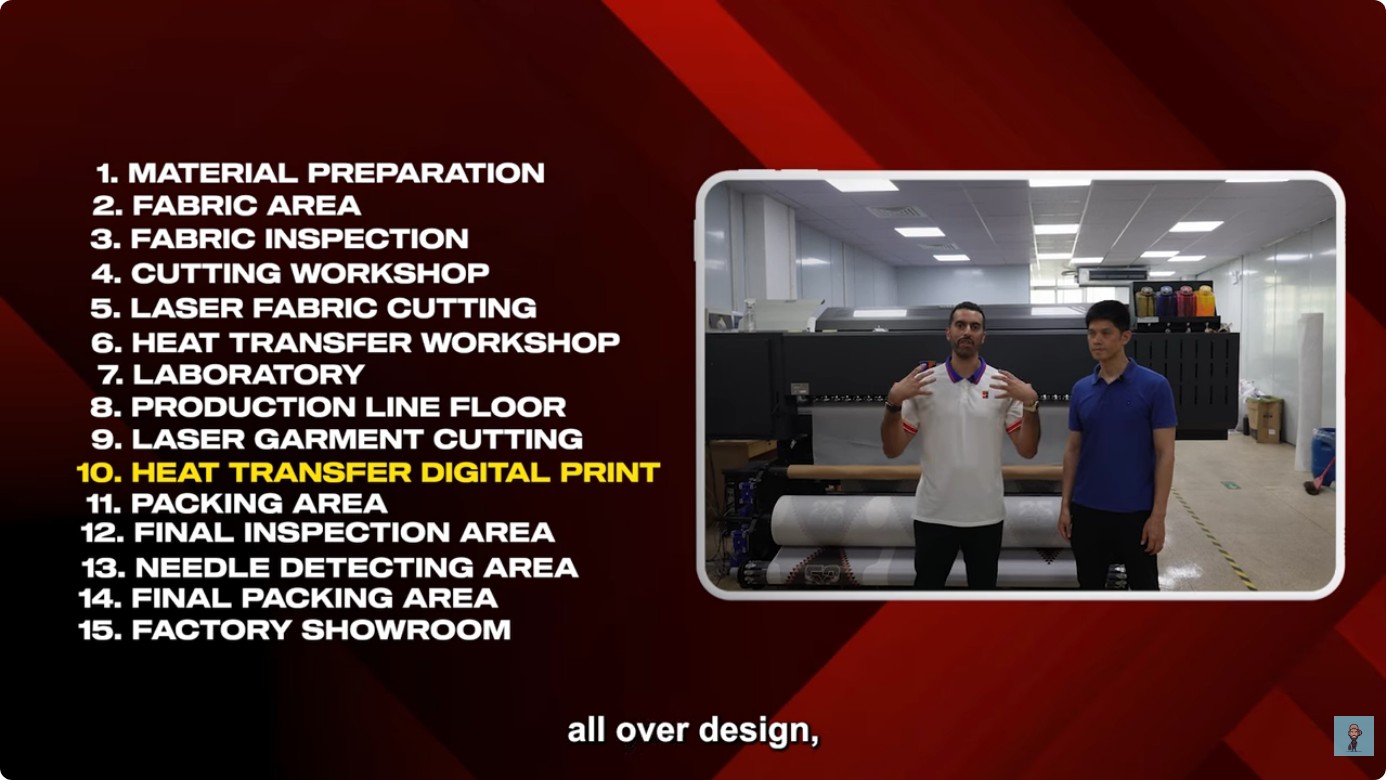
- Key Features: Crew neck (most common), 2-4 pattern pieces (front, back, sleeves), side seams. Construction can be “tubular” (seamless cylinder body—cheaper, less fitted) or “side-seamed” (two separate front/back panels—better fit, more fabric waste).
- Fabric Spectrum: From 100% cotton jersey (180-220 GSM) for basics, to cotton/poly blends for softness and shrink control, to 100% polyester jersey for moisture-wicking. Performance versions use recycled polyester or technical blends.
- Primary Use Cases: Promotional giveaways, basic team uniforms (for non-intensive sports), everyday casual wear, blank apparel for resale.
- Sourcing Note: The tubular vs. side-seamed choice is a major quality and fit determinant. Side-seamed offers superior shaping but costs ~10-15% more. Specify this clearly.
2. The Polo Shirt (Golf Shirt)
Elevated casualwear with a collar and placket.
- Key Features: Collar (typically knitted or woven fabric), 2-3 button placket, breast pocket optional. Constructed from knitted pique, jersey, or interlock fabrics. Requires precise collar attachment—a common quality failure point.
- Fabric Spectrum: 100% cotton pique (textured, breathable), polyester pique (wrinkle-resistant), performance blends with moisture-wicking and anti-microbial finishes.
- Primary Use Cases: Corporate uniforms, golf/apparel brands, country club staff, casual team wear, resortwear.
- Sourcing Note: Collar stability is key. Ask factories about their collar-stay procedure (often a separate fusible interfacing is used). Poorly attached collars curl and look cheap quickly.
3. The Tank Top / Sleeveless Shirt
Designed for maximum range of motion and ventilation.
- Key Features: Wide variety of necklines (racerback, Y-back, scoop, crew) and strap widths. Armholes are critical—they must be finished cleanly (with binding or coverstitch) to prevent stretching. Straps may be self-fabric or contrasting.
- Fabric Spectrum: Lightweight, high-stretch knits (polyester/spandex blends) for yoga/fitness. Heavier cotton for casual wear. Often includes 4-way stretch construction.
- Primary Use Cases: Gym wear, running apparel, dancewear, summer casual, layering pieces.
- Sourcing Note: Armhole finish is a key quality marker. Binding should be flat and even, not twisted. For performance tanks, ensure straps and armholes have sufficient recovery (memory) to not bag out after wear.
4. The Raglan Sleeve Shirt
Identified by its contrasting, diagonal sleeve seams that extend from the collar to the underarm.
- Key Features: Distinctive sleeve pattern piece, underarm gusset often added for mobility. Usually a 3-piece body (left front, right front, back) to accommodate the raglan seam. Common in baseball-style tees.
- Fabric Spectrum: Often uses heavier fabrics for a structured look. Can be made in jersey or fleece. Contrasting sleeve colors are a classic design element.
- Primary Use Cases: Baseball/softball uniforms, vintage-style athletic wear, casual brands leveraging the classic look.
- Sourcing Note: Pattern making for raglans is more complex. Ensure your tech pack clearly defines the raglan seam line and gusset inclusion. Mismatched seam alignment between left/right sleeves is a common defect.
5. The Performance / Tech Tee
Engineered for specific athletic activities, prioritizing moisture management and movement.
- Key Features: Often seamless (body constructed from tubular fabric) to reduce chafing. May feature mesh panels, laser-cut holes, or specialized knitting for ventilation zones. Flatlock or coverstitch seams are standard to lie flat against skin.
- Fabric Spectrum: Synthetic microfibers (polyester, nylon) with moisture-wicking treatments. May include UV protection (UPF), anti-odor treatments (like silver ions), or 4-way stretch.
- Primary Use Cases: Running, high-intensity training, hiking, any activity where sweat management is critical.
- Sourcing Note: The performance claims must be validated. Request fabric test reports for wicking speed, breathability (air permeability), and UPF ratings from your fabric supplier. A “tech tee” that holds moisture like cotton is a misnomer.
Production & Sourcing Considerations Across All Types
Once you’ve identified the target shirt type, these manufacturing factors become the focus of your specification and negotiation.
Helpful tip: L’Eau Par Kenzo: Translating a Fragrance’s Aesthetic into Custom Activewear
Fabric & Trim Selection
The choice of yarn, knit structure, and finish dictates the final hand feel and performance. A factory will source based on your spec, but you must understand the implications.
- GSM (Grams per Square Meter): The weight of the fabric. A 180 GSM cotton jersey is light for summer; 240 GSM is heavy. Performance fabrics are often lighter (130-180 GSM) but can be denser weaves. Always request fabric swatches from the mill, not just from a finished garment.
- Yarn Type: Open-end yarn (cheaper, less soft) vs. ring-spun yarn (softer, stronger, more expensive). For premium brands, ring-spun is often a minimum requirement.
- Trims: Buttons, zippers, labels, hangtags. Specify brands (e.g., YKK zippers) or at least material (e.g., “brass snap buttons”). Low-quality trims fail first and damage brand perception.
Construction & Quality Markers
Inspect samples for these details:
- Stitch Density: The number of stitches per inch. Higher density (e.g., 14-16 SPI for coverstitch) means stronger, more professional seams.
- Seam Type: Overlock (for side seams), coverstitch (for hems and necklines on knits), flatlock (for performance seams). Each has a different look and durability.
- Edge Neatness: Raw edges on cut fabric (especially on synthetics) should be serged/overlocked to prevent fraying. No loose threads.
- Print/Embroidery Compatibility: Fabric texture affects decoration. A heavy pique polo will embroider differently than a fine jersey tee. Discuss decoration method early.
Typical MOQs and Lead Times
These vary wildly by factory, style complexity, and fabric sourcing.
- Basic T-Shirts ( tubular, stock color): MOQs can be as low as 50-100 pieces if using existing fabric inventory.
- Custom Color, Custom Style: Dyeing fabric to order typically raises MOQs to 300-500 pieces per color/style due to minimum dye lot sizes.
- Performance Tech Wear: MOQs of 500-1000+ are common due to specialized, often imported, technical fabrics.
- Lead Time: From approved sample and fabric booking: 4-8 weeks for simple styles, 8-12+ weeks for complex or performance wear. Always factor in fabric sourcing time, which can be 2-4 weeks alone.
Sourcing Checklist: Questions to Ask Your Manufacturer
Use this list during your vendor evaluation and sample approval process.
- Pattern & Sample: Can you provide a digital pattern (DXF or otherwise) and a physical sample for fit approval before bulk production?
- Fabric Source: Can you provide the fabric mill’s name and certification (e.g., OEKO-TEX Standard 100, GRS) for the proposed fabric? Are samples available for feel and wash testing?
- Construction Details: Is the garment side-seamed or tubular? What type of stitch is used on the neckline/hem? Is there a gusset under the arms?
- Quality Control: What is your AQL (Acceptable Quality Level) standard? At which stages do you inspect (fabric, cutting, sewing, final)?
- Decoration: Do you handle decoration in-house or subcontract? Can you provide samples of prints/embroidery on the actual fabric?
- Sizing: Do you have a standardized size chart for this style? Can you provide garment measurements (laid flat) for each size?
- Compliance: Can you ensure all fabrics and trims meet the safety standards for my target market (e.g., CPSIA for children’s, Prop 65 for California)?
Making the Right Choice for Your Brand
The “best” shirt type doesn’t exist in a vacuum. It’s the one that optimally balances your brand’s price point, performance requirements, and aesthetic goals. A yoga studio needs a 4-way stretch, moisture-wicking tank with a flattering cut. A local little league needs a durable, colorfast raglan tee that can withstand repeated washes. A corporate client needs a wrinkle-resistant polo that looks sharp after a long day.
Start by defining the end-use and wearer experience. Work backward to the fabric and construction. A common pitfall is choosing a fabric or style based on a sample’s look without stress-testing it for the intended activity. Request pre-production samples and conduct your own wear and wash tests.
Finally, recognize that communication is the cornerstone of successful custom manufacturing. A detailed tech pack with sketches, fabric references, and construction notes is your single most important tool. It transforms your vision from a vague idea into a producible specification, aligning your factory and reducing the risk of expensive errors.
Ready to Translate Your Vision into Production?
Planning to add these styles to your collection? We produce custom versions with your branding, fabric choice, and sizing — from sample to bulk. Contact our team for details.
Helpful tip: Lycra vs. Spandex: A Practical Guide to Stretch Fabric Materials